AI Appraisal Estimate

AI-generated estimates · not official valuations

From the user

What was submitted

Photo and notes provided by the user — not generated by AI

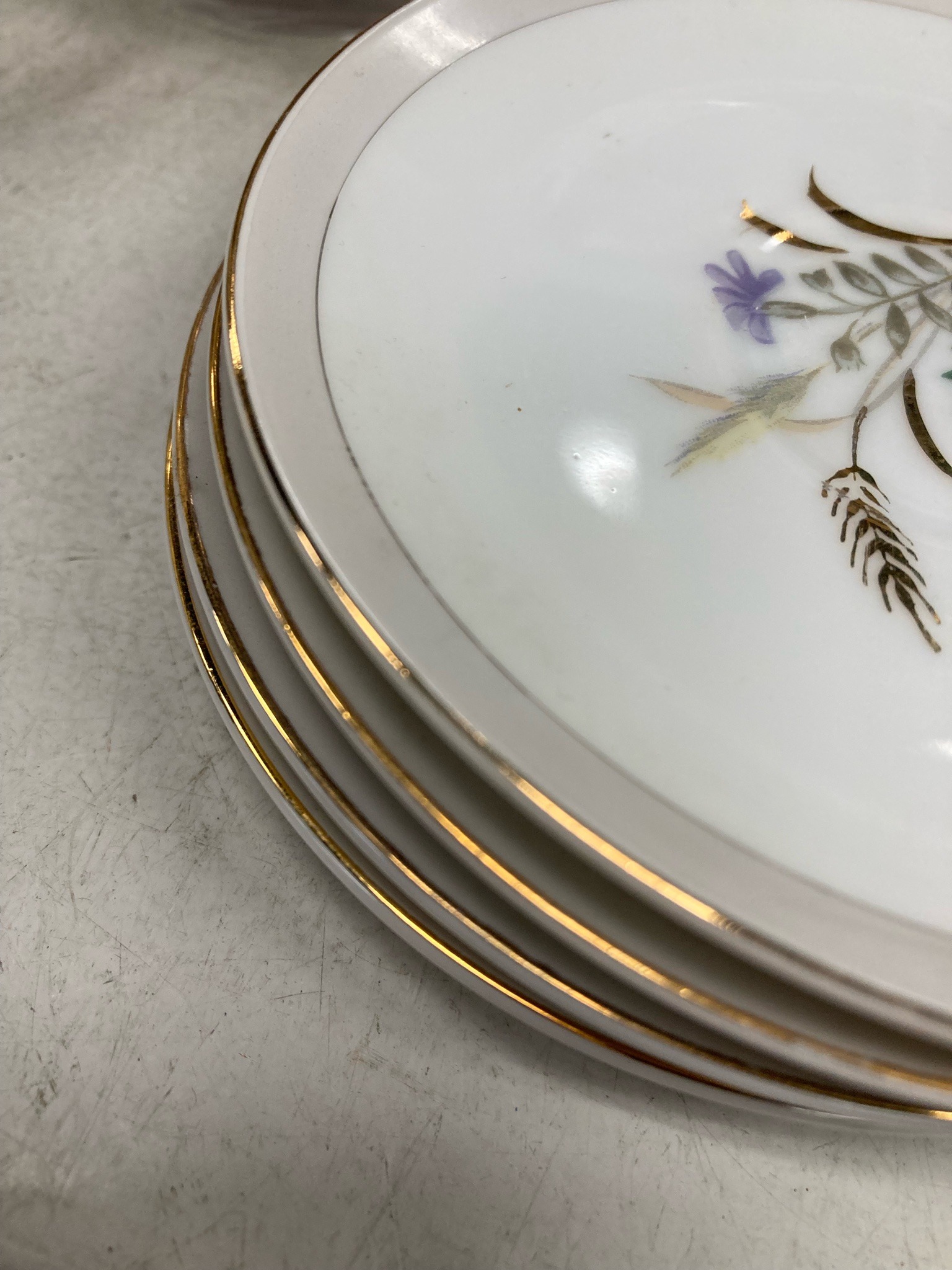
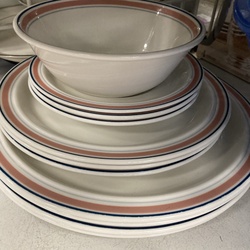
Submitted item photo
Submitted photo · June 8, 2026

User's notes

4 Yamaka China Japan saucers

AI analysis below

AI appraisal

AI analysis & estimate

AI-Generated · Verify before acting

Everything below is generated by AI for informational purposes only. AI can make mistakes — the AI may misidentify items or misattribute them (artist, maker, brand, designer, origin, era). This is not an official valuation and should not be used for insurance, sale, tax, estate, legal, or lending purposes — or any decision requiring a certified appraisal. It is not an authoritative claim about any person, brand, or rights holder — do not share or rely on it as a factual statement about a third party. Always consult qualified professionals before making financial decisions.

Note

This analysis also relies on unverified notes provided by the user, which may be incomplete or inaccurate and could affect the result.

Read the full disclaimer

AI Identification

·Not independently authenticated·Verify before acting

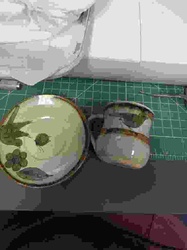
Set of 4 Yamaka China Japan Floral Saucers

Vintage Tableware / Ceramics

AI Estimated Value

·Not an official valuation·Verify before acting

$15.00 - $25.00

As of June 8, 2026

AI Item Analysis

·AI can make mistakes·Verify before acting
This is a set of four vintage ceramic saucers manufactured by Yamaka China in Japan, likely dating from the mid-20th century (circa 1950s-1960s). The saucers are crafted from fine white porcelain or translucent china, featuring a classic circular form with a slightly raised rim and a central indentation for a teacup. The aesthetic is characteristic of Japanese export ware from the post-war era, combining Western forms with delicate underglaze and overglaze decorations. Each piece features a metallic gold-gilded rim, which adds a touch of elegance but shows signs of age-related wear. The central motif consists of a delicate floral spray, including a prominent purple wildflower (possibly a violet or aster) accompanied by wheat stalks and muted green and tan foliage. The botanical illustration is rendered in a soft, painterly style with fine line work and a subdued color palette. In terms of condition, the saucers exhibit visible signs of previous use. There is noticeable wear to the gold gilding along the outer edges, where the metallic finish has rubbed thin or disappeared in sections. Slight surface scratches and minor pit marks are visible on the white glaze, which is common for porcelain of this age. One saucer appears to have a small flea-bite nick on the outer rim. The overall craftsmanship is consistent with high-quality mass-produced Japanese dinnerware, known for its thin, durable construction and refined glazing techniques. No manufacturer's marks are visible in the photograph, but based on the provided context, they would typically carry a backstamp identifying the 'Yamaka China' brand and 'Made in Japan'.
AI Appraisal Report

·AI can make mistakes·Verify before acting
I have virtually examined this set of four Yamaka China saucers. Based on visual indicators, the pieces appear to be authentic mid-century Japanese export ware. The 'occupied Japan' era and the subsequent decades saw a high volume of fine porcelain production from Yamaka, characterized by the translucent body and delicate botanical transfers seen here. The floral spray and gold gilding are emblematic of the 1950s-1960s aesthetic designed for the Western market. In-person inspection confirms significant thinning of the gold gilt on the rims and a 'flea-bite' nick on one piece, which notably decreases the value as collectors of this type of china typically seek near-mint condition specimens to complete existing sets. The market for mid-century Japanese porcelain is currently oversaturated. While Yamaka produced high-quality items, they were mass-produced. Consequently, rarity is low. Similar saucers frequently appear on secondary markets (eBay, Etsy) where individual pieces sell for $4-$7, and full sets of four usually realize between $15 and $25. The lack of matching teacups significantly limits the desirability, as these are considered 'replacement pieces' rather than a standalone decorative set. Final authentication is limited by the digital format; I cannot verify the specific backstamp or check for internal hairline fractures not visible to the eye. A definitive appraisal would require physical handling to assess the porcelain's resonance and weight, as well as a high-magnification look at the transfer print to confirm it is not a modern reproduction. Provenance documentation regarding the original purchase would further solidify its historical context but would not significantly alter the current market value.

Get your items appraised

Instant estimates of your treasures with AI-powered appraisals

Browse More Appraisals