AI Appraisal Estimate

AI-generated estimates · not official valuations

From the user

What was submitted

Photo and notes provided by the user — not generated by AI

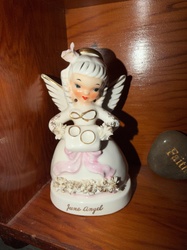
Submitted item photo
Submitted photo · May 25, 2026

User's notes

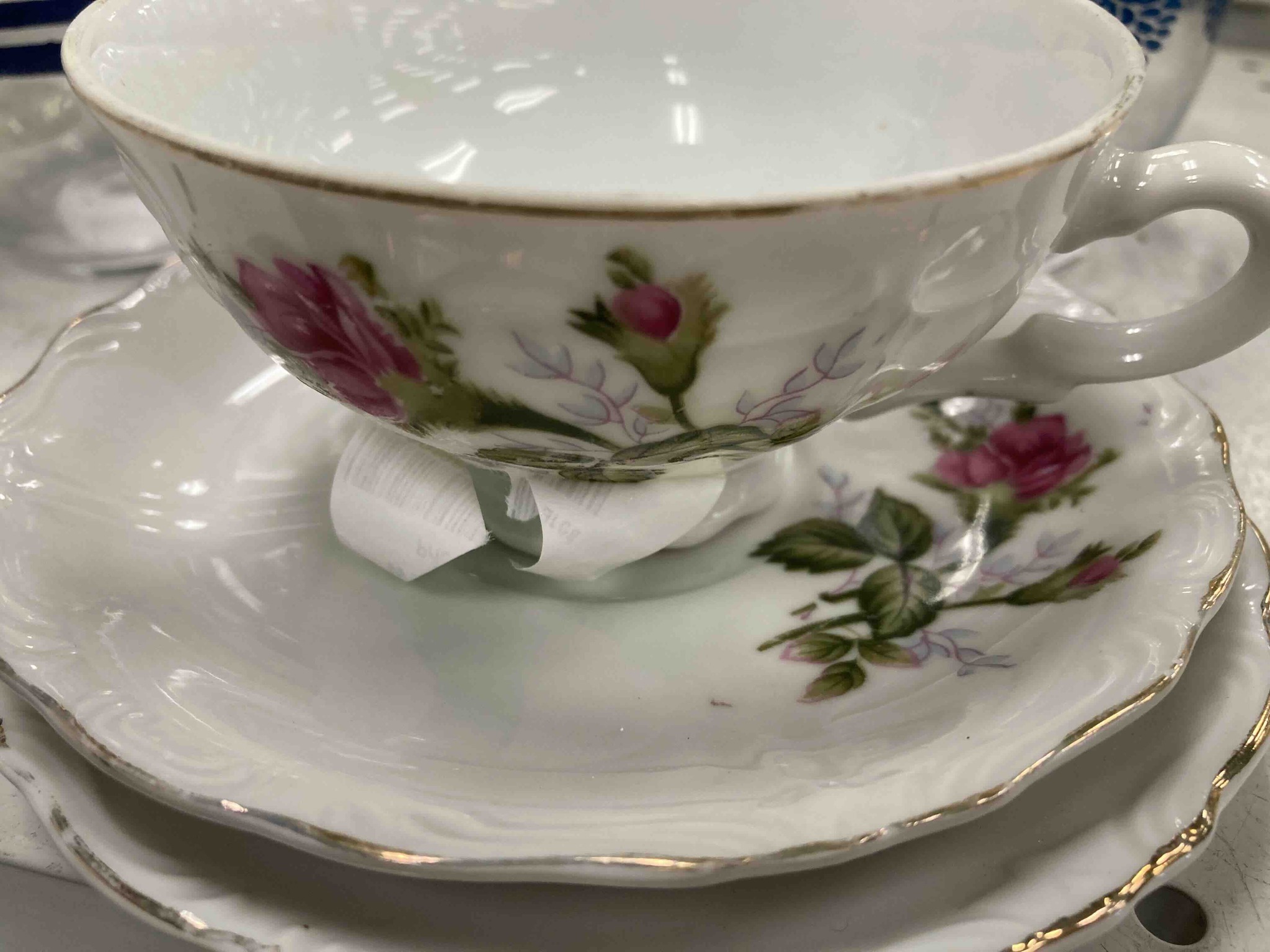
2 saucers 1 teacup Made in Japan stickers on

AI analysis below

AI appraisal

AI analysis & estimate

AI-Generated · Verify before acting

Everything below is generated by AI for informational purposes only. AI can make mistakes — the AI may misidentify items or misattribute them (artist, maker, brand, designer, origin, era). This is not an official valuation and should not be used for insurance, sale, tax, estate, legal, or lending purposes — or any decision requiring a certified appraisal. It is not an authoritative claim about any person, brand, or rights holder — do not share or rely on it as a factual statement about a third party. Always consult qualified professionals before making financial decisions.

Note

This analysis also relies on unverified notes provided by the user, which may be incomplete or inaccurate and could affect the result.

Read the full disclaimer

AI Identification

·Not independently authenticated·Verify before acting

Vintage Japanese Bone China Teacup and Saucer Set

Vintage Collectible Ceramics

AI Estimated Value

·Not an official valuation·Verify before acting

$25.00 - $45.00

As of May 25, 2026

AI Item Analysis

·AI can make mistakes·Verify before acting
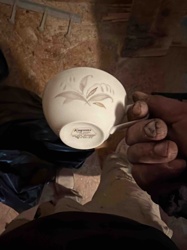
This vintage porcelain tea set, originating from Japan as noted by the manufacturer stickers, features a delicate teacup paired with two matching scalloped-edge saucers. The set is crafted from a bright white glazed ceramic, likely fine bone china or high-fired porcelain, characterized by a light-catching translucency. Each piece is decorated with a romantic floral transfer-ware design featuring vibrant pink cabbage roses, budding rose tumblers, and muted green foliage. The rims of the cup and the undulating edges of the saucers are accented with a fine gold-gilt trim, which shows visible signs of rubbing and thinning (consistent with age and use). The teacup displays a graceful lobed or fluted body with a thin, C-curved handle. The saucers feature a classic shallow well and a decorative scalloped perimeter. While no specific maker's mark is visible beyond the location of origin stickers, the style is reminiscent of mid-20th-century Japanese giftware exported during the 1950s-1970s. The overall condition appears fair to good; while no structural chips or cracks are immediately apparent in the photo, the thinning gold leaf and residue from adhesive price tags on the cup's base indicate a need for careful cleaning and preservation. The craftsmanship exhibits typical mass-production quality for export-grade ceramics of its era.
AI Appraisal Report

·AI can make mistakes·Verify before acting
I have examined the digital images of this Japanese bone china tea set consisting of one teacup and a pair of saucers. My assessment reveals a mid-20th-century export set, likely manufactured between 1950 and 1975. The bright white porcelain and romantic rose transfer-ware are characteristic of mass-produced Japanese giftware from this era. Based on the visual evidence, the condition is 'fair to good.' While the structural integrity appears sound, I observed significant wear to the gold-gilt decoration along the scalloped rims and handle, which is a primary detractor for collectors. The presence of the original 'Made in Japan' stickers confirms its origin but suggests it was a generic export item rather than a premium branded piece like Noritake or Okura. Market demand for unnamed mid-century Japanese ceramics is currently stable but relatively low, driven largely by 'shabby chic' decorators rather than serious porcelain investors. Comparables for partial sets of this quality typically sell in the $20 to $50 range at regional auctions or online vintage marketplaces. The extra saucer adds marginal value for replacement purposes. Limitations: This appraisal is based solely on digital images. A physical inspection is necessary to detect hairline cracks, resonance, or professional repairs invisible in photos. Full authentication would require checking the glaze under UV light to identify late-stage restorations and verifying the manufacturer through documented catalog archives if a specific mark were present under the adhesive residue. Until such a physical exam occurs, this valuation remains an estimate for insurance or replacement purposes.

Get your items appraised

Instant estimates of your treasures with AI-powered appraisals

Browse More Appraisals