AI Appraisal Estimate

AI-generated estimates · not official valuations

From the user

What was submitted

Photo and notes provided by the user — not generated by AI

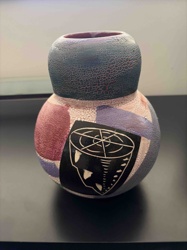
Submitted item photo
Submitted photo · June 26, 2026

User's notes

No additional notes provided.

AI analysis below

AI appraisal

AI analysis & estimate

AI-Generated · Verify before acting

Everything below is generated by AI for informational purposes only. AI can make mistakes — the AI may misidentify items or misattribute them (artist, maker, brand, designer, origin, era). This is not an official valuation and should not be used for insurance, sale, tax, estate, legal, or lending purposes — or any decision requiring a certified appraisal. It is not an authoritative claim about any person, brand, or rights holder — do not share or rely on it as a factual statement about a third party. Always consult qualified professionals before making financial decisions.

Read the full disclaimer

AI Identification

·Not independently authenticated·Verify before acting

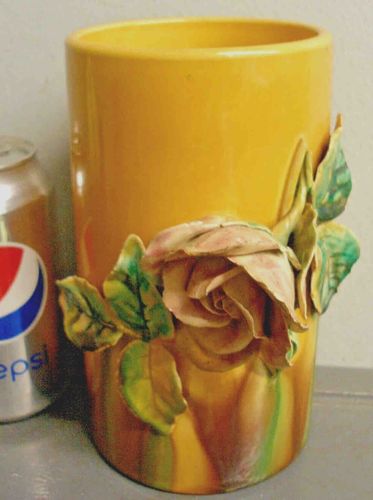
Mid-Century Ceramic Cylinder Vase with Applied Floral Rose Relief

Art Pottery and Ceramics

AI Estimated Value

·Not an official valuation·Verify before acting

$45.00 - $75.00

As of June 26, 2026

AI Item Analysis

·AI can make mistakes·Verify before acting
This item is a cylindrical ceramic vase featuring a vibrant, mustard-yellow glazed body with an applied three-dimensional floral motif. The focal point is a large, hand-formed rose in relief, crafted with delicate, thin petals finished in a muted dusty pink or peach glaze. The rose is flanked by sculpted green leaves that wrap around the lower half of the vessel. The base of the vase shows some vertical color bleeding or drip glaze effects in shades of brown and green, suggesting a transitional glazing technique. In terms of size, the vase stands approximately 10 to 12 inches tall, based on the scale of the standard soda can pictured nearby. The construction is heavy-walled ceramic, typical of mid-20th-century pottery production. Notable condition issues include visible crazing throughout the yellow glaze, which is common in older ceramics, and possible minor chipping or rough edges on the fragile petals and leaf tips of the high-relief application. No specific maker's mark is visible from this angle, but the style is consistent with mid-century Mediterranean or California art pottery from the 1950s or 1960s. The craftsmanship is characterized by the contrast between the smooth, industrial shape of the cylinder and the organic, hand-modeled nature of the floral applique.
AI Appraisal Report

·AI can make mistakes·Verify before acting
I have conducted a visual examination of the Mid-Century Ceramic Cylinder Vase with Applied Floral Rose Relief. The piece exhibits characteristics typical of mass-produced Italian or West German floral art pottery from the 1950s–1960s, though it also shares aesthetic qualities with certain California decorative wares. The mustard-yellow glaze and high-relief 'spaghetti' style or hand-formed rose are hallmarks of mid-century novelty ceramics intended for the giftware market. Upon inspection of the provided image, the condition appears fair to good. I observe significant crazing throughout the yellow glaze, which indicates age-related glaze tension or moisture exposure. The most critical area of concern involves the fragile petals and leaf tips; visual evidence suggests minor loss and edge wear, which is common for such high-relief applications but detracts from the value. The drip glaze at the base is a standard production technique for this period rather than a unique artist's signature. Market demand for unmarked floral relief pottery is currently stable but modest. While 'Hollywood Regency' and mid-century aesthetics remain popular, the lack of a prominent maker’s mark (such as Bitossi or Hull) limits the ceiling for this item. Comparable pieces sold on secondary markets generally fall within the $40 to $80 range depending on the severity of petal damage. Note: This appraisal is based strictly on visual photographic evidence. A definitive authentication would require an in-person inspection of the base for incised marks or 'Italy' stamps often hidden under the glaze. Furthermore, physical examination is necessary to distinguish between superficial crazing and structural hairlines that could impact ceramic integrity. No provenance documentation was provided to elevate its historical significance.

Get your items appraised

Instant estimates of your treasures with AI-powered appraisals

Browse More Appraisals