AI Appraisal Estimate

AI-generated estimates · not official valuations

From the user

What was submitted

Photo and notes provided by the user — not generated by AI

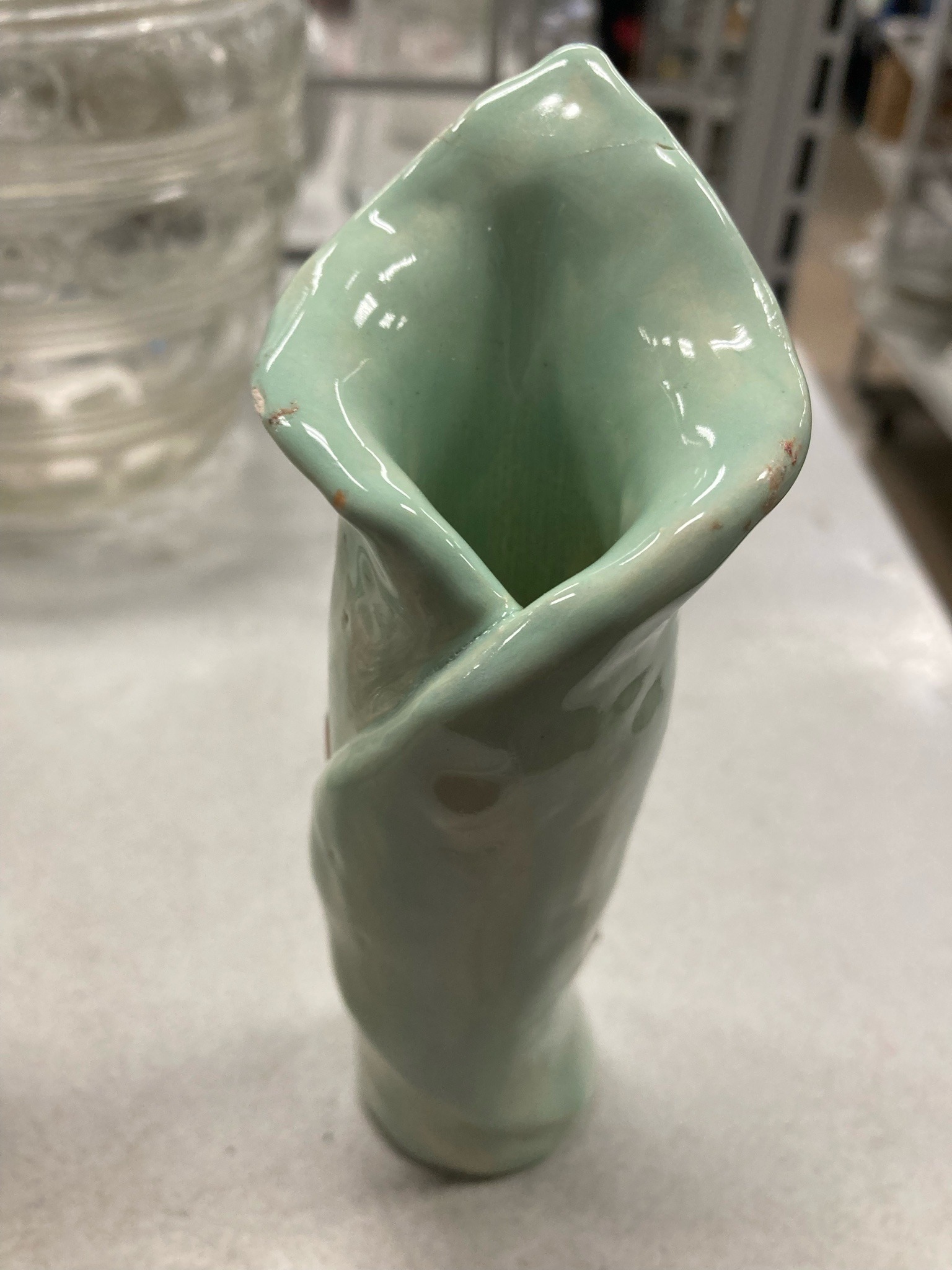
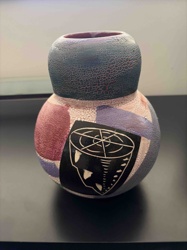
Submitted item photo
Submitted photo · June 9, 2026

User's notes

Initials MHS carved in bottom

AI analysis below

AI appraisal

AI analysis & estimate

AI-Generated · Verify before acting

Everything below is generated by AI for informational purposes only. AI can make mistakes — the AI may misidentify items or misattribute them (artist, maker, brand, designer, origin, era). This is not an official valuation and should not be used for insurance, sale, tax, estate, legal, or lending purposes — or any decision requiring a certified appraisal. It is not an authoritative claim about any person, brand, or rights holder — do not share or rely on it as a factual statement about a third party. Always consult qualified professionals before making financial decisions.

Note

This analysis also relies on unverified notes provided by the user, which may be incomplete or inaccurate and could affect the result.

Read the full disclaimer

AI Identification

·Not independently authenticated·Verify before acting

Celadon Glazed Calla Lily Ceramic Bud Vase

Art Pottery and Ceramics

AI Estimated Value

·Not an official valuation·Verify before acting

$15.00 - $35.00

As of June 9, 2026

AI Item Analysis

·AI can make mistakes·Verify before acting
This is a small, sculptural ceramic bud vase designed in the stylized form of a calla lily flower. The piece is constructed from earthenware or stoneware and features a glossy celadon green glaze with subtle blue undertones. Its physical form is characterized by a tapered, cylindrical stem that flares out at the top into a wide, ruffled spathe with a central overlap, mimicking the natural organic curves of a lily bloom. In terms of condition, several significant issues are visible: there is a prominent chip on the left outer rim and multiple smaller fleabites and surface abrasions on the right upper rim, revealing the clay body beneath. There are also visible stress cracks or craze lines near the top peak of the petal. The presence of the hand-carved initials 'MHS' on the bottom suggests it is likely a mid-20th-century piece of amateur or studio pottery, possibly from an art school or a craft workshop setting where students marked their work for kiln identification. The craftsmanship shows a fluid, organic aesthetic typical of mid-century floral design, though the finish lacks the refinement of professional commercial production. The glaze exhibits some unevenness and pitting, which is characteristic of pieces fired in a smaller-scale or hobbyist kiln environment.
AI Appraisal Report

·AI can make mistakes·Verify before acting
Based on my examination of the provided documentation and imagery, I have assessed this celadon-glazed calla lily bud vase. This is a piece of mid-20th-century amateur or student studio pottery. While the organic, sculptural form exhibits a charming mid-century aesthetic, several factors significantly suppress its market value. The primary detractor is the condition; the prominent chip on the left rim and multiple fleabites/abrasions reveal the underlying clay body, which is a major concern for collectors of decorative ceramics. Furthermore, the ‘MHS’ initials on the base identify this as a hobbyist or student work rather than a piece from a recognized studio or high-end commercial manufacturer like Rookwood or Teco. In the current secondary market for art pottery, demand is heavily skewed toward signed pieces by listed artists or professional-grade items in pristine condition. This piece falls into the category of decorative 'shelf candy' rather than investment-grade art. Market comparables for damaged student work of this era typically sell at local estate sales or online marketplaces for nominal sums. My valuation reflects its aesthetic appeal balanced against its significant structural damage and lack of professional pedigree. Please note that this appraisal is based on digital images. A definitive assessment of the clay body composition (earthenware vs. stoneware) and the depth of the stress cracks would require a physical inspection. To fully authenticate the maker, provenance such as a specific art school record or artist's biography associated with the 'MHS' monogram would be necessary, though such documentation is unlikely to increase the value beyond a decorative threshold.

Get your items appraised

Instant estimates of your treasures with AI-powered appraisals

Browse More Appraisals