AI identification & appraisal estimate

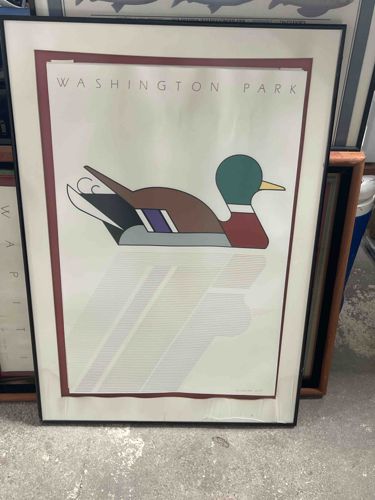
Washington Park Mallard Duck Print

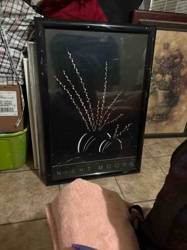
Submitted photo of Washington Park Mallard Duck Print
Photo submitted by the user — not generated by AI

User's notes

Bad condition

These notes were written by the person who submitted this item. Appraiser.AI has not verified them, and the AI's identification and estimate may rely on them.

AI Estimated Value

Not an official valuation

$5 - $15

AI estimate as of October 6, 2025 · verify with a professional before acting

AI-Generated · Verify before acting

Everything on this page is generated by AI for informational purposes only. AI can make mistakes — the AI may misidentify items or misattribute them (artist, maker, brand, designer, origin, era). This is not an official valuation and should not be used for insurance, sale, tax, estate, legal, or lending purposes — or any decision requiring a certified appraisal. It is not an authoritative claim about any person, brand, or rights holder — do not share or rely on it as a factual statement about a third party. Always consult qualified professionals before making financial decisions.

This analysis also relies on unverified notes provided by the user, which may be incomplete or inaccurate and could affect the result.

Read the full disclaimer

AI Item Analysis

This item is a framed art print featuring a stylized depiction of a mallard duck. The print itself showcases a minimalist, almost geometric representation of a duck floating on water, primarily in shades of brown for the body, a dark green head, and a reddish-brown chest. The duck also features white, black, and a distinctive purple stripe on its wing, and a yellow beak. Below the duck, reflections are suggested through a series of light gray, parallel horizontal lines that fade downwards. The top of the print clearly displays the text "WASHINGTON PARK" in a simple, sans-serif font. The print is contained within a visual border of dark red. The entire piece is housed in a simple, thin black frame, likely made of wood or a composite material. The print appears to be under glass or a clear acrylic sheet. The overall condition, as indicated by the user's input, is 'bad condition.' Visible condition issues include potential water damage or significant discoloration along the bottom edge of the print and its white matting, which appears yellowed and stained. There are also visible reflections on the protective covering, suggesting possible surface imperfections or glare from the environment. The minimalist style suggests a mid-to-late 20th-century aesthetic, possibly from the 1980s or 1990s. The craftsmanship appears to be commercial grade, typical of mass-produced art prints rather than a fine art piece, although the graphic design itself is clean and precise.

AI Appraisal Report

I have examined the provided image of the Washington Park Mallard Duck print, taking into account the owner's description of 'bad condition.' Visually, the print exhibits significant condition issues, specifically what appears to be water damage or severe discoloration along the bottom edge of the print and its white matting, which is yellowed and stained. The frame is a simple, thin black design, common for mass-produced decor. This type of damage severely detracts from both its aesthetic appeal and market value. Authenticity cannot be fully verified from images alone; however, this piece appears to be a commercial-grade art print, likely from the mid-to-late 20th century (1980s-1990s) given its minimalist, graphic style and 'Washington Park' branding. This style suggests it was produced for general decorative purposes rather than as fine art. Market conditions for such mass-produced, damaged decorative prints are extremely low. Comparables would be similar vintage commercial prints found in thrift stores or online marketplaces, typically fetching minimal prices, especially when in poor condition. There is very limited demand for damaged decorative items of this nature, and such prints are not rare. The severe damage is the most significant factor impacting its value negatively. Without a physical inspection, it's impossible to confirm the extent of the water damage or rule out mold, which would further diminish any value. Provenance documentation is not typically sought for items of this commercial grade. In its current 'bad condition,' its value is primarily decorative, if any, for someone willing to undertake significant restoration or simply appreciate the graphic design despite the flaws.

Keep exploring

More framed art print appraisals

Get your items appraised

Instant AI-powered appraisal estimates from a photo

Browse More Appraisals