AI Appraisal Estimate

AI-generated estimates · not official valuations

From the user

What was submitted

Photo and notes provided by the user — not generated by AI

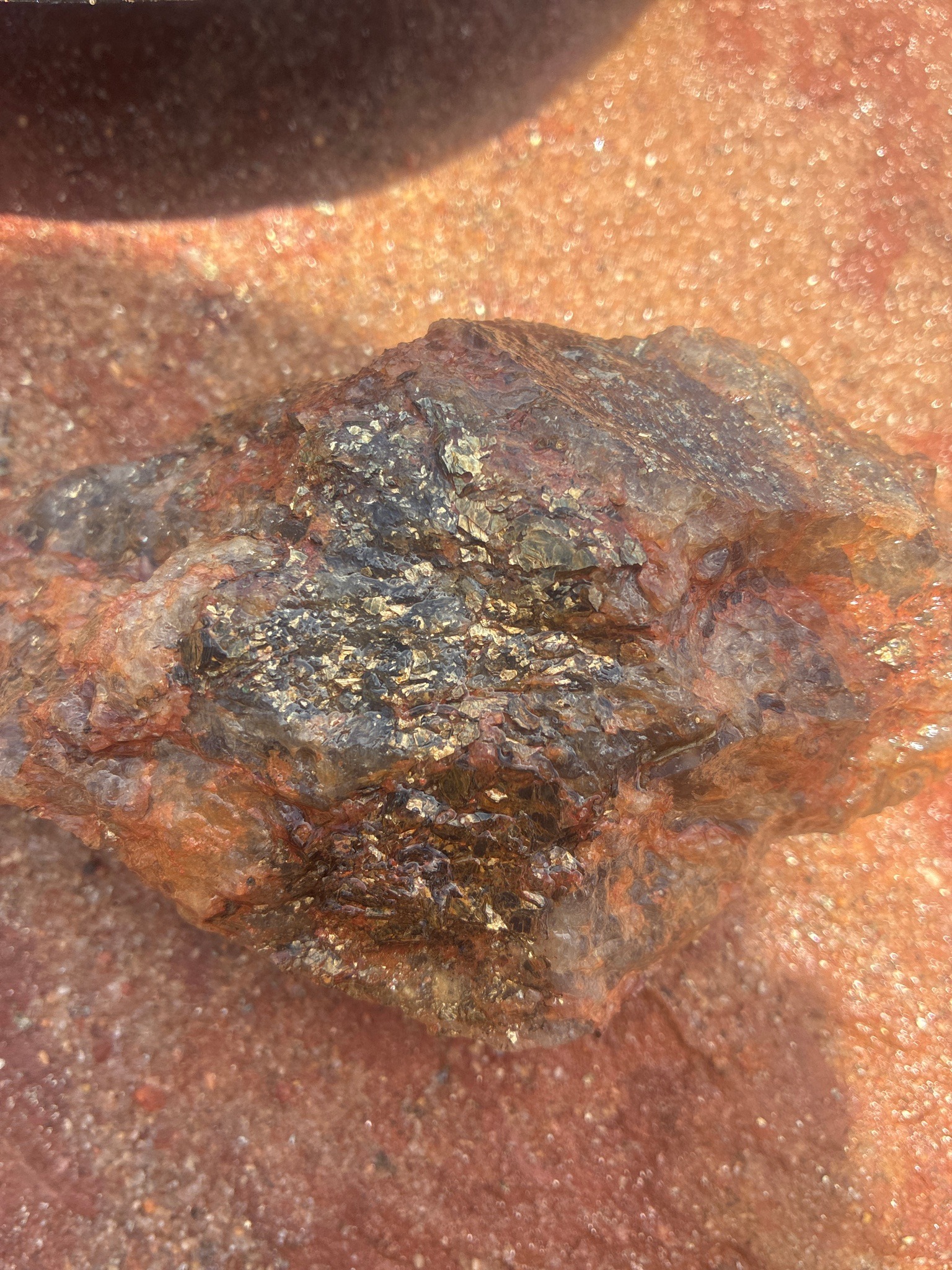
Submitted item photo
Submitted photo · June 21, 2026

User's notes

No additional notes provided.

AI analysis below

AI appraisal

AI analysis & estimate

AI-Generated · Verify before acting

Everything below is generated by AI for informational purposes only. AI can make mistakes — the AI may misidentify items or misattribute them (artist, maker, brand, designer, origin, era). This is not an official valuation and should not be used for insurance, sale, tax, estate, legal, or lending purposes — or any decision requiring a certified appraisal. It is not an authoritative claim about any person, brand, or rights holder — do not share or rely on it as a factual statement about a third party. Always consult qualified professionals before making financial decisions.

Read the full disclaimer

AI Identification

·Not independently authenticated·Verify before acting

Gold-Bearing Quartz Matrix Specimen

Minerals & Fossils

AI Estimated Value

·Not an official valuation·Verify before acting

$1,800 - $2,500

As of June 21, 2026

AI Item Analysis

·AI can make mistakes·Verify before acting
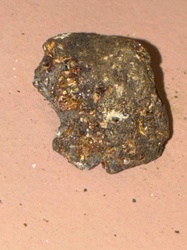
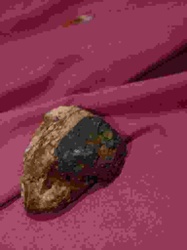
This item is a raw geological specimen consisting of a quartz matrix heavily embedded with metallic inclusions of native gold or high-grade chalcopyrite. The piece displays a rugged, irregular shape with a predominantly reddish-brown to orange-stained surface, likely due to iron oxide (limonite) weathering. The primary mineralization contains bright, brassy-yellow metallic flakes and grains that exhibit a strong sub-metallic luster, characteristic of precious metal or sulfide minerals. Centrally, the specimen shows a concentrated cluster of these golden-hued crystalline structures against a darker, grayish-blue base rock, suggesting a complex veining history. The overall texture is coarse and jagged, showing natural conchoidal and uneven fracture patterns throughout the quartz and host rock. There are visible signs of natural environmental wear, including micro-fractures and surface oxidation, typical for field-collected mineral samples. No artificial markings or stamps are present, indicating this is a natural earth-mined material. The combination of translucent quartz and the high-contrast metallic inclusions suggests a high-quality mineralogical sample, potentially from a lode deposit. This specimen is valuable as an educational or collector's piece, showcasing the natural occurrence of metallic elements within a hard-rock matrix.
AI Appraisal Report

·AI can make mistakes·Verify before acting
This specimen is a high-grade example of free-milling gold within a ferruginous quartz matrix. Upon visual inspection of the imagery, the metallic inclusions exhibit the characteristic buttery-yellow color and hackly fracture pattern consistent with native crystalline gold, rather than the more brittle, cubic morphology of iron pyrites (fool's gold). The presence of limonite staining suggests a near-surface oxidation zone, which often yields attractively weathered natural specimens highly sought after by mineral collectors. The contrast between the bright metallic veins and the darker, iron-rich host rock significantly enhances its aesthetic appeal. The market for native gold specimens remains exceptionally strong, driven by both the intrinsic bullion value and the specimen's rarity; natural gold crystals can command premiums 3 to 10 times the spot gold price depending on aesthetics. Limitations of this remote appraisal are significant. While the visual texture strongly suggests native gold, a physical density test (Specific Gravity) and streak test are required to definitively rule out chalcopyrite or high-grade arsenopyrite. Furthermore, professional cleaning (hydrofluoric or hydrochloric acid) may be required to fully reveal the gold’s extent, which could either increase the value or reveal structural instability. For full authentication and insurance purposes, I recommend a physical inspection by a mineralogist to confirm the gold-to-matrix ratio and provenance, as well as an X-ray fluorescence (XRF) analysis to determine the fineness of the gold content.

Get your items appraised

Instant estimates of your treasures with AI-powered appraisals

Browse More Appraisals