AI Appraisal Estimate

AI-generated estimates · not official valuations

From the user

What was submitted

Photo and notes provided by the user — not generated by AI

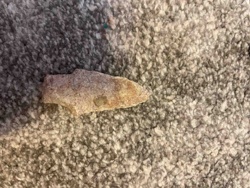
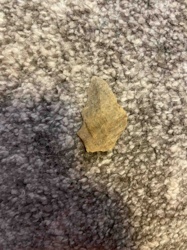
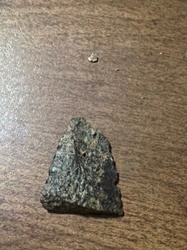
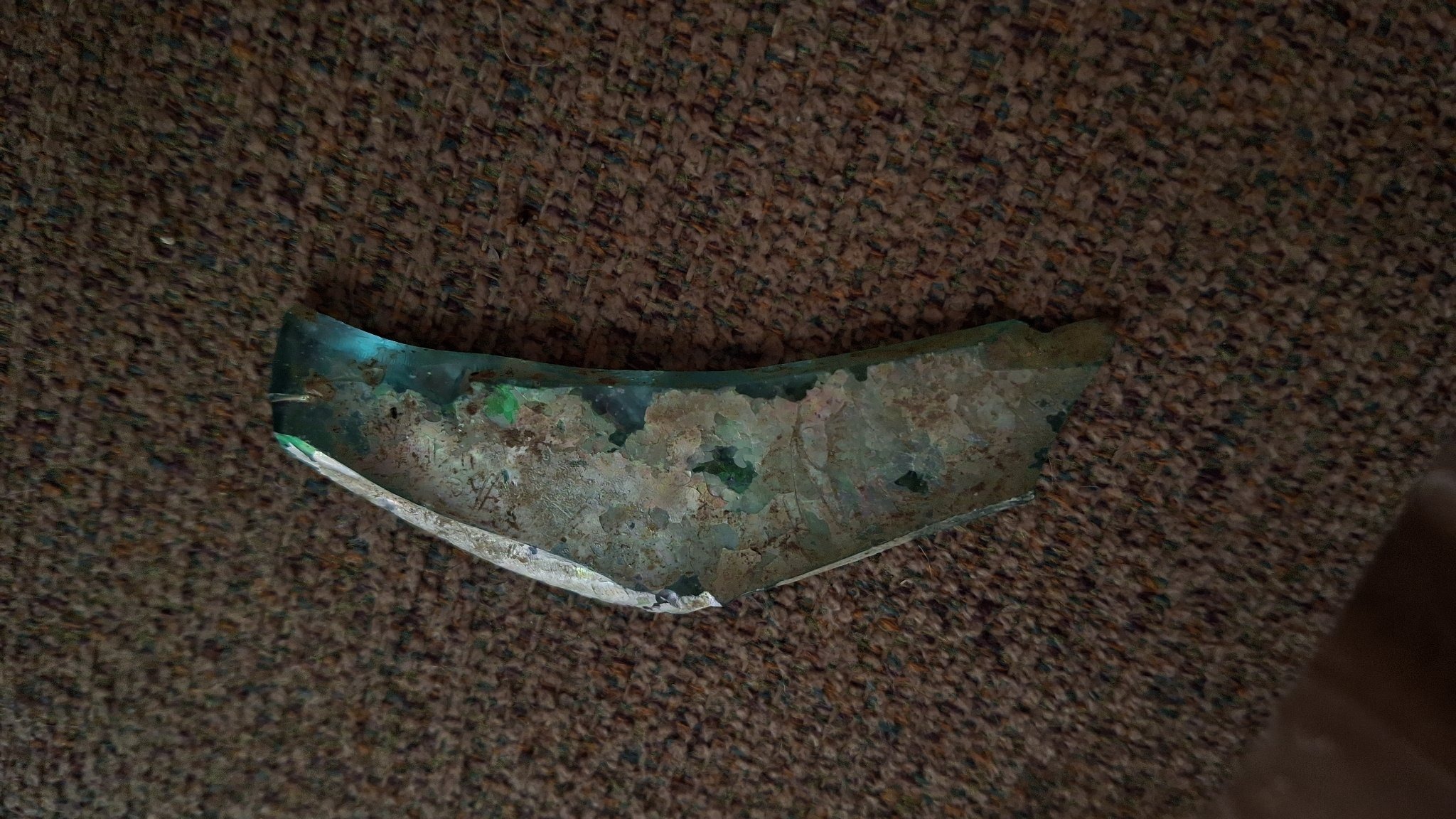
Submitted item photo
Submitted photo · July 7, 2026

User's notes

Category: Other shard of roman glass discovered underground in house on beit el street jerusalem during renovations green glass with silver patina. about 4 inches. Material:

AI analysis below

AI appraisal

AI analysis & estimate

AI-Generated · Verify before acting

Everything below is generated by AI for informational purposes only. AI can make mistakes — the AI may misidentify items or misattribute them (artist, maker, brand, designer, origin, era). This is not an official valuation and should not be used for insurance, sale, tax, estate, legal, or lending purposes — or any decision requiring a certified appraisal. It is not an authoritative claim about any person, brand, or rights holder — do not share or rely on it as a factual statement about a third party. Always consult qualified professionals before making financial decisions.

Note

This analysis also relies on unverified notes provided by the user, which may be incomplete or inaccurate and could affect the result.

Read the full disclaimer

AI Identification

·Not independently authenticated·Verify before acting

Weathered glass fragment in the Roman style

Archaeological Artifacts and Fragments

AI Estimated Value

·Not an official valuation·Verify before acting

$40 - $120

As of July 7, 2026

AI Item Analysis

·AI can make mistakes·Verify before acting
This item is a curved glass fragment, approximately 4 inches in length, exhibiting a translucent bluish-green base color. The surface is heavily worked by environmental factors, displaying a thick, crusty patina consistent with long-term subterranean burial. This irrigation or 'silver patina' consists of flaky, iridescent layers of weathered glass that create a metallic or pearlescent sheen in shades of silver, beige, and muted green. The fragment appears to be a section of a vessel wall or rim, though its exact original form remains speculative from the photograph alone. The edges are irregular and fractured, indicating it is a shard rather than a complete object. The user-supplied attribution identifies this as a shard of Roman glass discovered underground in Jerusalem; however, this provenance is unverified and cannot be confirmed through visual inspection alone. The appearance of the weathering and the coloration are stylistically consistent with ancient glass artifacts often attributed to the Roman-era Levant region. Physical verification by an archaeologist or specialist in ancient glass would be required to determine the exact age and geological origin of the material.
AI Appraisal Report

·AI can make mistakes·Verify before acting
Based on my visual analysis of the provided image, I have examined this curved glass fragment, which the owner attributes to a discovery in Jerusalem. The fragment displays a translucent bluish-green hue and a heavy 'silver patina' or iridescence. This appearance is stylistically consistent with ancient glass artifacts from the Roman-era Levant, but I cannot verify the age, geological origin, or find-spot from a photograph alone. Such surface weathering can sometimes be mimicked or may occur on more recent glass under specific environmental conditions. The value estimate is based on the working hypothesis that this is a genuine ancient Roman glass fragment. As a shard rather than a complete vessel, its market value is significantly limited and primarily driven by its aesthetic iridescence and its stated provenance. In the current market, small fragments of this type are common and are often sold as study pieces or used in jewelry. If the item were definitively proven to be a modern glass fragment with artificial weathering, the value would be negligible, likely under $10. Professional archaeological assessment or thermoluminescence testing would be required to establish a specific age. Furthermore, documenting the find-spot through excavation records would be necessary to substantiate the Jerusalem provenance. I must state that this estimate assumes the owner's attribution is accurate; however, since I cannot perform a physical inspection or verify provenance, this remains a preliminary valuation. The market for ancient glass remains stable for high-quality, intact specimens, but fragments are valued much lower due to their incomplete nature.

Get your items appraised

Instant estimates of your treasures with AI-powered appraisals

Browse More Appraisals