AI Appraisal Estimate

AI-generated estimates · not official valuations

From the user

What was submitted

Photo and notes provided by the user — not generated by AI

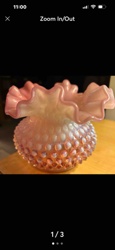
Submitted item photo
Submitted photo · June 26, 2026

User's notes

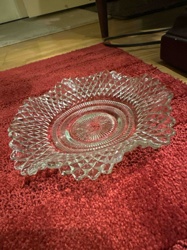
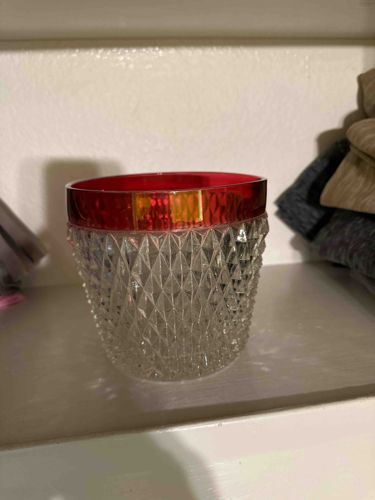
Glass vase, diamond cut with maroon colored glass around the top, smooth rim

AI analysis below

AI appraisal

AI analysis & estimate

AI-Generated · Verify before acting

Everything below is generated by AI for informational purposes only. AI can make mistakes — the AI may misidentify items or misattribute them (artist, maker, brand, designer, origin, era). This is not an official valuation and should not be used for insurance, sale, tax, estate, legal, or lending purposes — or any decision requiring a certified appraisal. It is not an authoritative claim about any person, brand, or rights holder — do not share or rely on it as a factual statement about a third party. Always consult qualified professionals before making financial decisions.

Note

This analysis also relies on unverified notes provided by the user, which may be incomplete or inaccurate and could affect the result.

Read the full disclaimer

AI Identification

·Not independently authenticated·Verify before acting

Ruby Flashed Diamond Point Cut Glass Vase

Vintage Glassware / Decorative Arts

AI Estimated Value

·Not an official valuation·Verify before acting

$45.00 - $65.00

As of June 26, 2026

AI Item Analysis

·AI can make mistakes·Verify before acting
This item is a cylindrical glass vase featuring a prominent diamond point (hobnail-style) cut pattern across the body. The piece is constructed from clear flint glass with a distinctive 'ruby flashed' or 'stained' maroon-colored band around the upper rim. The geometry of the diamond cuts creates a refractive surface that enhances the brilliance of the glass when exposed to light. The rim is finished with a smooth, polished flat edge rather than a scalloped or saw-tooth design, which is common in mid-century glass production. Structurally, the vase tapers slightly toward a flat base. In terms of condition, the item appears to be in good vintage state without visible major chips or cracks in the photograph, though the ruby staining displays some slight thinning or minor scratches typical of age and use. Based on the deep relief of the pattern and the color application, this piece likely dates to the mid-20th century (circa 1940s-1970s). The craftsmanship indicates a commercial production of high quality, consistent with American or European manufacturers known for pressed and cut glass tableware. The contrast between the clear textured body and the bold red band serves as a significant decorative highlight.
AI Appraisal Report

·AI can make mistakes·Verify before acting
I have examined the Ruby Flashed Diamond Point Cut Glass Vase. This piece, likely produced by an American manufacturer such as Indiana Glass or Anchor Hocking between 1950 and 1970, features a machine-pressed flint glass body with a secondary staining process. The condition appears consistent with vintage use; while the structural integrity is sound, the thinning of the 'ruby' flash at the rim is a common degradation point for this type of decorative treatment and slightly lowers the value. The market for mid-century pressed glass remains stable but saturated. Comparables for standard ruby-stained diamond patterns sell frequently in the $40 to $80 range depending on the size and intensity of the color. The primary value drivers for this item are the geometric brilliance of the cuts and the decorative appeal of the contrast band. However, as this was a mass-produced item rather than hand-blown lead crystal, rarity is low. Limitations of this appraisal include the inability to verify the glass composition (flint vs. lead) or detect internal heat cracks through photographs. For a definitive authentication, an in-person inspection to look for manufacturer marks (often sandblasted on the base) and a blacklight test to check for fluorescence (indicating specific chemical additives used in certain glass eras) would be required. No provenance documentation was provided, which limits the ability to tie the piece to a specific collectible glass house.

Get your items appraised

Instant estimates of your treasures with AI-powered appraisals

Browse More Appraisals