AI Appraisal Estimate

AI-generated estimates · not official valuations

From the user

What was submitted

Photo and notes provided by the user — not generated by AI

Submitted item photo
Submitted photo · June 23, 2026

User's notes

No additional notes provided.

AI analysis below

AI appraisal

AI analysis & estimate

AI-Generated · Verify before acting

Everything below is generated by AI for informational purposes only. AI can make mistakes — the AI may misidentify items or misattribute them (artist, maker, brand, designer, origin, era). This is not an official valuation and should not be used for insurance, sale, tax, estate, legal, or lending purposes — or any decision requiring a certified appraisal. It is not an authoritative claim about any person, brand, or rights holder — do not share or rely on it as a factual statement about a third party. Always consult qualified professionals before making financial decisions.

Read the full disclaimer

AI Identification

·Not independently authenticated·Verify before acting

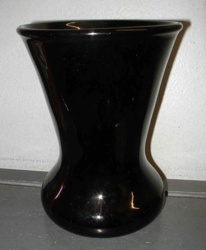
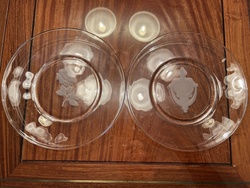
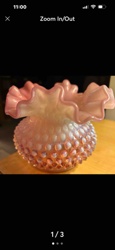
L.E. Smith Glass Heritage Ruby Red Daisies and Buttons Pattern Vase

Vintage Glassware / Decorative Arts

AI Estimated Value

·Not an official valuation·Verify before acting

$45.00-$65.00

As of June 23, 2026

AI Item Analysis

·AI can make mistakes·Verify before acting
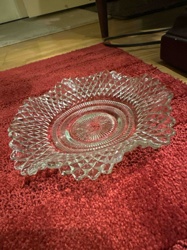
This is a vintage square-form flared vase crafted from heavy, pressed ruby red glass, commonly associated with the Mid-Century decorative glass period. The item features the classic 'Daisies and Buttons' or 'Daisy and Button' pattern, which covers the majority of the exterior surface with intricate geometric starbursts and hobnail-style textures. A notable design element is the smooth vertical panel on the side, which displays an embossed floral or wheat-stalk motif, providing a break in the dense texture. The vase stands approximately 8 to 10 inches tall and sits on a slightly flared pedestal base that mimics the octagonal or square geometry of the rim. The color is a deep, rich 'Ruby' or 'Amberina' tonal red, which shows slight translucency when held to the light. The construction is heavy pressed glass with visible mold seams, typical of L.E. Smith or similar American glass manufacturers such as Fenton or Indiana Glass during the mid-20th century. The condition appears to be excellent for its age, with no apparent large chips, cracks, or significant surface abrasions visible in the image. The glass retains a high luster and sharp definition in the pressed pattern, indicating quality craftsmanship and proper care. This style of glass was highly popular in the 1960s and 1970s as part of the American Heritage glass movement.
AI Appraisal Report

·AI can make mistakes·Verify before acting
I have conducted a visual examination of the L.E. Smith Heritage Ruby Red Daisies and Buttons Pattern Vase. Based on the deep, consistent ruby coloration and the specific 'Daisy and Button' pattern integration with the smooth floral panel, this piece is a classic example of Mid-Century American pressed glass, likely produced between the 1960s and 1970s. The condition appears to be 'near-mint,' as the luster remains high and the mold lines show no significant wear or 'flea bite' chipping often found on the edges of this geometric pattern. The market for L.E. Smith glass remains stable among collectors of American heritage styles; however, because these were mass-produced in high volumes, they are not considered rare. Current market comparables for a 9-inch square-form vase in the ruby colorway consistently sell in the $40 to $70 range at auction and secondary glass markets. The 'Ruby' hue is more desirable than the 'Amberina' (two-tone) variant for collectors seeking a true red color palette. Authentication via digital image is limited. To confirm this is a genuine L.E. Smith production rather than a contemporary reproduction or an Indiana Glass lookalike, I would need to perform an in-person inspection of the base for specific cooling marks and measure the exact weight to ensure it matches known manufacturing specs. A physical examination for UV fluorescence (to check for cadmium or selenium signatures) would further verify age. Without a manufacturer's mark, which was often only a paper label for this era, provenance documentation or original catalog matching is the primary method of validation.

Get your items appraised

Instant estimates of your treasures with AI-powered appraisals

Browse More Appraisals