AI Appraisal Estimate

AI-generated estimates · not official valuations

From the user

What was submitted

Photo and notes provided by the user — not generated by AI

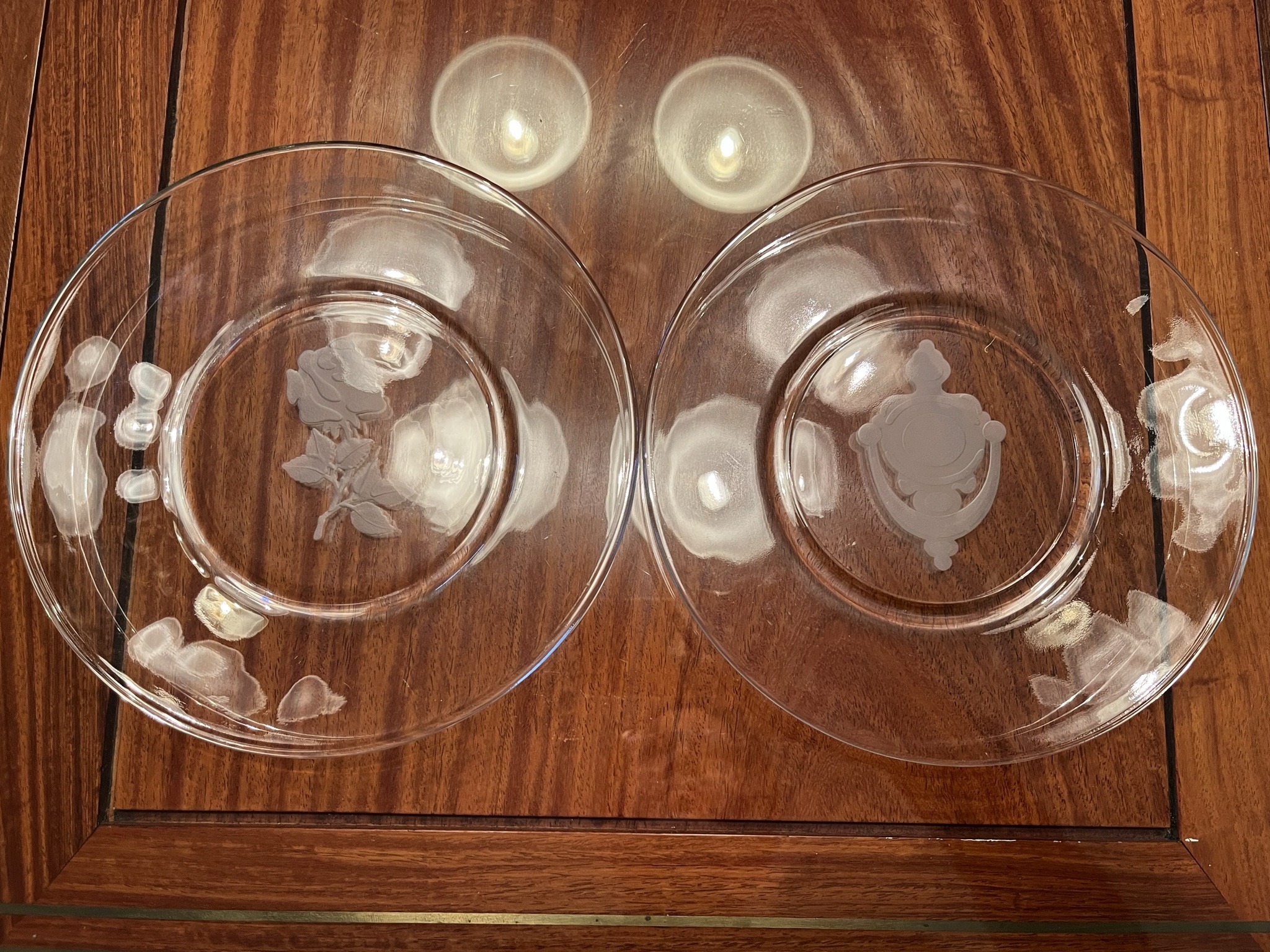
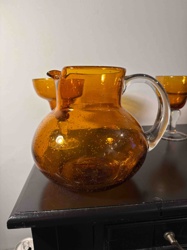
Submitted item photo
Submitted photo · May 28, 2026

User's notes

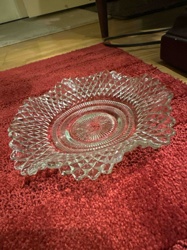
2 8 inch glass plates

AI analysis below

AI appraisal

AI analysis & estimate

AI-Generated · Verify before acting

Everything below is generated by AI for informational purposes only. AI can make mistakes — the AI may misidentify items or misattribute them (artist, maker, brand, designer, origin, era). This is not an official valuation and should not be used for insurance, sale, tax, estate, legal, or lending purposes — or any decision requiring a certified appraisal. It is not an authoritative claim about any person, brand, or rights holder — do not share or rely on it as a factual statement about a third party. Always consult qualified professionals before making financial decisions.

Note

This analysis also relies on unverified notes provided by the user, which may be incomplete or inaccurate and could affect the result.

Read the full disclaimer

AI Identification

·Not independently authenticated·Verify before acting

Pair of Mid-Century Frosted/Etched Glass Salad or Dessert Plates

Vintage Glassware / Decorative Arts

AI Estimated Value

·Not an official valuation·Verify before acting

$15.00 - $25.00 for the pair

As of May 28, 2026

AI Item Analysis

·AI can make mistakes·Verify before acting
This is a set of two approximately 8-inch clear glass plates, likely dating from the mid-20th century. The plates feature a shallow well and a wide, smooth rim. Each plate is distinguished by a centralized, frosted motif on the underside of the glass. One plate depicts a detailed rose blossom with leaves and a stem, while the other features a classical neo-Palladian door knocker or heraldic crest motif. The etching/frosting technique creates a soft, tactile contrast against the polished transparency of the glass. The glass appears to be of high quality, displaying good clarity without significant internal occlusions or bubbles. There are no immediate signs of large chips or cracks; however, the surface shows visible 'clouding' or white hazy residues, particularly around the edges and in blotches across the body. This may be stubborn residue, mineral deposits from hard water (often called 'etching' in dishwasher-damaged glass), or remnants of an old adhesive. The style suggests an American glass manufacturer (potentially Heisey, Fostoria, or Cambridge) known for etched decorative tableware during the 1940s-1960s. The uniform construction and centered designs indicate machine-molding followed by a secondary etching or sandblasting process.
AI Appraisal Report

·AI can make mistakes·Verify before acting
I have examined the digital images of these two 8-inch mid-century glass plates. The items feature centralized intaglio motifs—a floral rose and a neo-Palladian crest—applied to the underside. Based on the stylistic cues, these items are likely American-made from the 1940s to 1950s, a period where manufacturers like Fostoria and Heisey dominated the market for decorative etched tableware. The glass demonstrates high clarity, though the design execution suggests a machine-molding process followed by sandblasting rather than high-end hand-engraving. The condition is the primary factor impacting value. While no structural chips or cracks are visible, the plates exhibit significant 'clouding' or 'sick glass.' If this white haze is surface residue, it may be cleanable; however, if it is true dishwasher-induced etching (molecular corrosion), it is permanent and lowers the value to a decorative minimum. Similar sets from more collectible patterns (such as Fostoria's 'Chintz') currently trade in high volume on the secondary market for $10-$15 per plate in excellent condition. These specific examples, lacking more distinctive branding and showing signs of surface degradation, occupy the lower tier of the market. Valuation is limited by digital inspection. A physical examination is required to determine the nature of the haze—specifically looking for tactile 'scuffing' vs. mineral buildup. I would also seek a signature or 'acid mark' on the base, typically requiring a loupe and specific lighting, which could elevate the manufacturer's pedigree. Without provenance proving a specific high-tier manufacturer, they remain attractive but common examples of mid-century utility glass.

Get your items appraised

Instant estimates of your treasures with AI-powered appraisals

Browse More Appraisals