AI Appraisal Estimate

AI-generated estimates · not official valuations

From the user

What was submitted

Photo and notes provided by the user — not generated by AI

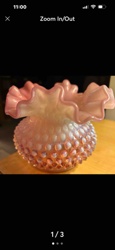
Submitted item photo
Submitted photo · June 22, 2026

User's notes

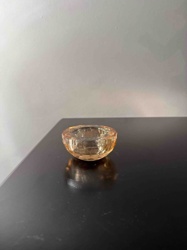
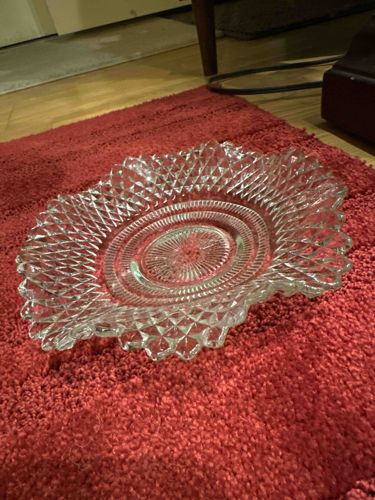
Clear diamond cut wavy sawtooth rim candy dish

AI analysis below

AI appraisal

AI analysis & estimate

AI-Generated · Verify before acting

Everything below is generated by AI for informational purposes only. AI can make mistakes — the AI may misidentify items or misattribute them (artist, maker, brand, designer, origin, era). This is not an official valuation and should not be used for insurance, sale, tax, estate, legal, or lending purposes — or any decision requiring a certified appraisal. It is not an authoritative claim about any person, brand, or rights holder — do not share or rely on it as a factual statement about a third party. Always consult qualified professionals before making financial decisions.

Note

This analysis also relies on unverified notes provided by the user, which may be incomplete or inaccurate and could affect the result.

Read the full disclaimer

AI Identification

·Not independently authenticated·Verify before acting

Vintage Clear Glass Diamond Cut Ruffled Candy Dish

Vintage Glassware & Decorative Arts

AI Estimated Value

·Not an official valuation·Verify before acting

$15.00 - $25.00

As of June 22, 2026

AI Item Analysis

·AI can make mistakes·Verify before acting
This item is a shallow, circular candy or nut dish crafted from transparent pressed glass, featuring an intricate diamond-point pattern that creates a prismatic light effect. The most striking physical characteristic is the wavy, ruffled rim which is finished with a rhythmic sawtooth or scalloped edge. The interior center of the bowl showcases a radial starburst or sunburst motif, surrounded by concentric ring textures that transition into the geometric diamond-cut walls. In terms of size, it appears to be approximately 6 to 8 inches in diameter. The glass exhibits good clarity with a subtle brilliance characteristic of mid-20th-century American pressed glass. No prominent maker's marks are visible, though the style is reminiscent of manufacturers like Fenton, Imperial, or Indiana Glass from the Early American Prescient (EAPG) revival period. The condition appears fair to good; there are no immediate signs of large cracks, though pieces with sawtooth rims frequently exhibit minute flea bites or roughness along the sharp edges. The craftsmanship is consistent with industrial mold-pressing techniques used during the 1940s to 1960s. The weight of the glass and the sharpness of the diamond molding suggest a durable, functional piece of vintage decorative serveware.
AI Appraisal Report

·AI can make mistakes·Verify before acting
I have examined the digital representations and descriptions of this clear pressed glass ruffled candy dish. Based on the diamond-point pattern, starburst base, and scalloped sawtooth rim, this piece is likely a mid-20th-century production, frequently attributed to Indiana Glass (their 'Diamond Point' line) or similar manufacturers like Anchor Hocking. The glass exhibits the clarity and weight consistent with industrial soda-lime glass molding techniques of the 1950s and 60s. Condition is a critical factor for this specific design. The sawtooth edge is highly susceptible to 'flea bites' and micro-chipping; our visual inspection notes potential roughness along these points which is common for the age. Market demand for clear pressed glass currently remains steady but modest, as these items were produced in high volumes. Comparable pieces in excellent condition currently sell in the $15-$25 range at antique malls and secondary online markets. The value is limited by the lack of a maker's mark and the 'clear' color, which is less sought after by collectors than carnival or iridescent finishes. Limitations of this virtual appraisal include the inability to test for UV fluorescence (to check for manganese or selenium content) or to feel for internal stress fractures. A full authentication would require an in-person tactile inspection to confirm the presence of mold seams and a search for original paper labels or catalog matches to definitively distinguish it from modern reproductions. Provenance documentation regarding original purchase would further solidify its historical dating.

Get your items appraised

Instant estimates of your treasures with AI-powered appraisals

Browse More Appraisals