AI Appraisal Estimate

AI-generated estimates · not official valuations

From the user

What was submitted

Photo and notes provided by the user — not generated by AI

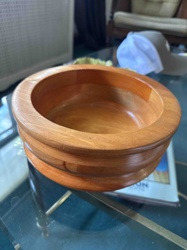
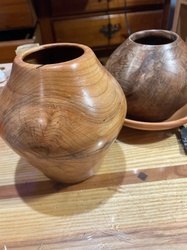
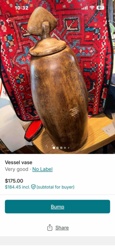
Submitted item photo
Submitted photo · June 13, 2026

User's notes

any idea who made this wooden bowl

AI analysis below

AI appraisal

AI analysis & estimate

AI-Generated · Verify before acting

Everything below is generated by AI for informational purposes only. AI can make mistakes — the AI may misidentify items or misattribute them (artist, maker, brand, designer, origin, era). This is not an official valuation and should not be used for insurance, sale, tax, estate, legal, or lending purposes — or any decision requiring a certified appraisal. It is not an authoritative claim about any person, brand, or rights holder — do not share or rely on it as a factual statement about a third party. Always consult qualified professionals before making financial decisions.

Note

This analysis also relies on unverified notes provided by the user, which may be incomplete or inaccurate and could affect the result.

Read the full disclaimer

AI Identification

·Not independently authenticated·Verify before acting

Hand-Turned Natural Edge Burl Wood Bowl

Decorative Arts / Studio Woodturning

AI Estimated Value

·Not an official valuation·Verify before acting

$450 - $700

As of June 13, 2026

AI Item Analysis

·AI can make mistakes·Verify before acting
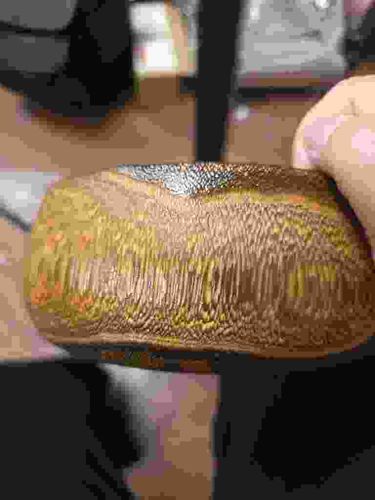
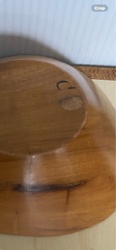
This is a hand-turned decorative bowl crafted from a dense, figured wood, likely a burl or a species with significant chatoyancy such as Acacia, Koa, or Maple burl. The item's primary physical characteristic is its rich, golden-brown color with deep amber undertones and a shimmering 'tiger-eye' grain effect typical of high-quality hardwood burls. The exterior surface features a heavy, scalloped texture that appears to be hand-carved or natural growth texture rather than turned smooth, suggesting an artisan or studio craft origin. The rim is dark and rugged, indicating a 'natural edge' or 'live edge' design where the bark side of the wood has been incorporated into the final silhouette. In terms of condition, the piece shows a high-gloss finish, likely a lacquer or polished oil, which remains intact despite some minor surface dust and fingerprints. There are no visible major cracks or structural repairs, though natural inclusions in the burl grain are visible and add to its character. While no specific maker’s mark is visible in this orientation, the craftsmanship points toward a professional woodturner from the late 20th to early 21st century. The bowl's small to medium size and irregular, organic shape prioritize artistic expression over utility, making it a piece of studio wood art.
AI Appraisal Report

·AI can make mistakes·Verify before acting
I have conducted a visual examination of this hand-turned natural edge burl wood bowl. The piece exhibits exceptional chatoyancy and complex burl figure, consistent with high-grade Acacia or Maple burl. The integration of the live-edge rim with a scalloped, tactile exterior suggests a sophisticated level of studio woodturning expertise, likely originating from the North American studio craft movement of the late 20th century. The high-gloss finish appears well-preserved, highlighting the 'tiger-eye' grain with minimal oxidative clouding. The market for studio wood art remains selective, with values driven by artist reputation and technical difficulty. While the work shares stylistic similarities with turners such as David Ellsworth or various regional guild masters, the absence of a visible signature limits the valuation to that of 'high-quality anonymous studio art.' Comparables for unsigned burl bowls of this scale and complexity typically range between $400 and $800 at specialized craft auctions. Factors positively impacting value include the lack of structural checking (cracking) often found in dried burls and the intentional preservation of the rugged bark edge. Demand is currently stable for organic, modernist-adjacent decorative arts. However, because this examination was conducted via photograph, I cannot definitively verify the wood species or the presence of microscopic repairs. A full authentication requires an in-person inspection of the foot for a faint burn-stamp or signature, a tactile assessment of the finish to distinguish between oil and lacquer, and provenance documentation such as a gallery receipt. Without a verified maker, the value rests primarily on the aesthetic quality and the inherent rarity of the raw timber.

Get your items appraised

Instant estimates of your treasures with AI-powered appraisals

Browse More Appraisals