AI Appraisal Estimate

AI-generated estimates · not official valuations

From the user

What was submitted

Photo and notes provided by the user — not generated by AI

Submitted item photo
Submitted photo · May 28, 2026

User's notes

No additional notes provided.

AI analysis below

AI appraisal

AI analysis & estimate

AI-Generated · Verify before acting

Everything below is generated by AI for informational purposes only. AI can make mistakes — the AI may misidentify items or misattribute them (artist, maker, brand, designer, origin, era). This is not an official valuation and should not be used for insurance, sale, tax, estate, legal, or lending purposes — or any decision requiring a certified appraisal. It is not an authoritative claim about any person, brand, or rights holder — do not share or rely on it as a factual statement about a third party. Always consult qualified professionals before making financial decisions.

Read the full disclaimer

AI Identification

·Not independently authenticated·Verify before acting

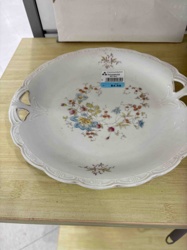
Milk Glass Gold Beaded Divided Relish Dish

Tableware/Serving Dish

AI Estimated Value

·Not an official valuation·Verify before acting

$15-25

As of May 28, 2026

AI Item Analysis

·AI can make mistakes·Verify before acting
This item is a circular, three-section divided relish dish, likely crafted from milk glass, identifiable by its opaque, milky white appearance. The dish features a distinctive scalloped or ruffled edge, which is adorned with a continuous row of small, spherical gold-painted beads, adding a decorative and somewhat ornate flair. The interior of the dish is divided into three equal, pie-slice shaped compartments by raised walls, suggesting its use for serving various condiments, appetizers, or small candies. The surface exhibits a glossy finish with some internal reflections visible, indicative of glass. There are no visible chips, cracks, or significant abrasions on the surface or edges based on the image, and the gold beading appears largely intact, although closer inspection would be needed to confirm any subtle wear or loss of paint. The design suggests a mid-20th century aesthetic, possibly from the 1950s or 1960s, a period when milk glass items with fancy edges and gold decorations were popular. Its craftsmanship, while mass-produced, shows attention to decorative detail, elevating it beyond a purely utilitarian piece. No specific manufacturer's marks or signatures are discernible in the provided images.
AI Appraisal Report

·AI can make mistakes·Verify before acting
Upon visual examination of the provided image, this item is a three-section divided relish dish, consistent with the characteristics of mid-20th century milk glass, likely dating from the 1950s or 1960s. The design, featuring a ruffled edge with gold bead detailing, is typical of manufacturers such as Anchor Hocking (in their 'Burple' or similar patterns) or Fenton, although no maker's mark is visible to confirm attribution. Based on the image, the dish appears to be in very good to excellent vintage condition, with no discernible chips, cracks, or significant wear. The gold beading seems intact, which is a key factor as this decoration is often the first element to show wear and loss. The market for mid-century milk glass is stable but generally modest. These items were mass-produced and are not considered rare. Current market comparables for similar divided milk glass dishes with gold trim typically trade in the $15 to $25 range on online marketplaces and in antique malls. Demand is driven by collectors of milk glass, individuals seeking nostalgic or shabby chic decor, and those using them for events like weddings. The value is primarily dependent on condition, particularly the integrity of the gold paint. Any significant wear, fading, or loss to the gold beading would place the item at the lower end of this value range. It is important to note the limitations of this appraisal, as it is based solely on a digital image. A definitive authentication and condition assessment would require in-person examination to check for subtle surface wear, feel the quality of the glass, and search for any faint maker's marks that are not visible in the photo. Without physical inspection, I cannot fully verify its authenticity or rule out a more modern reproduction, though its style is consistent with the stated period.

Get your items appraised

Instant estimates of your treasures with AI-powered appraisals

Browse More Appraisals