AI identification & appraisal estimate

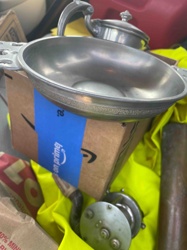
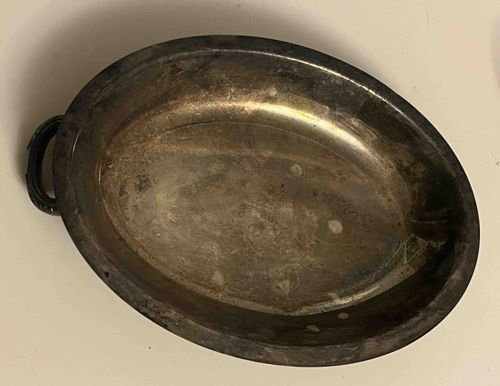
Oval Silver-Plated Serving Dish

Submitted photo of Oval Silver-Plated Serving Dish
Photo submitted by the user — not generated by AI

AI Estimated Value

Not an official valuation

$40 - $75

AI estimate as of July 17, 2025 · verify with a professional before acting

AI-Generated · Verify before acting

Everything on this page is generated by AI for informational purposes only. AI can make mistakes — the AI may misidentify items or misattribute them (artist, maker, brand, designer, origin, era). This is not an official valuation and should not be used for insurance, sale, tax, estate, legal, or lending purposes — or any decision requiring a certified appraisal. It is not an authoritative claim about any person, brand, or rights holder — do not share or rely on it as a factual statement about a third party. Always consult qualified professionals before making financial decisions.

Read the full disclaimer

AI Item Analysis

This item is an oval-shaped serving dish or baker, likely constructed from a silver-plated metal, given the visible tarnishing and the luster of the uncovered areas. Its physical characteristics include an elongated oval form with gently sloping sides and a flat bottom. There appears to be a single, decorative handle visible on the left side, which suggests it originally had a matching handle on the opposite side, or perhaps it was designed as a single-handled serving piece. The material exhibits significant tarnishing, presenting a dark, dull brown and black patina over much of its surface, though some areas, particularly in the interior bottom, show brighter, reflective silver tones. This indicates a need for polishing. There are several circular, lighter spots on the interior base, which could be residue, areas where tarnish was removed, or possibly signs of plating wear. The rim and exterior body also display considerable tarnish and possibly some surface scratches consistent with age and use. The edges of the dish appear somewhat worn. No specific maker's marks or signatures are discernible from the provided image. Based on the style and typical materials for such items, it likely dates from the late 19th to mid-20th century, a period when silver-plated serving ware was popular. The craftsmanship appears to be commercial grade, designed for practical use, with a simple yet elegant form. The overall condition suggests a vintage piece that has seen regular use and would benefit from cleaning and restoration.
AI Appraisal Report

Upon visual examination of this Oval Silver-Plated Serving Dish, I assess its overall condition as fair to good, consistent with a vintage item that has seen considerable use. The significant tarnishing indicates a need for thorough cleaning and polishing to restore its original luster. The presence of circular lighter spots on the interior base could signify areas of plating wear or previous cleaning attempts. The visible single handle suggests either a missing counterpart or an intended single-handled design, which would impact its original presentation. The general wear on the edges also points to regular handling. Authenticity, based solely on the image, points to it being a period silver-plated item from the late 19th to mid-20th century, a common era for such housewares. Market conditions for vintage silver-plated serving dishes are generally stable but not exceptionally strong, unless the item possesses unique design features, a renowned maker's mark, or historical provenance. This particular piece appears to be a practical, utilitarian example, lacking distinguishing decorative elements or discernible manufacturer identification. Comparables in similar condition without prominent maker's marks typically fetch modest prices. Demand for unpolished, unmarked silver-plated items is moderate, often appealing to collectors or individuals looking for functional vintage decor. Rarity is low, as these types of dishes were mass-produced. The primary factors impacting value are its current tarnished state, the absence of a clear maker's mark, and the possible incompleteness (missing handle). For full authentication and a more precise valuation, an in-person examination would be crucial to assess the extent of plating wear, confirm the metal composition, and search for faint impressed marks obscured by tarnish or not visible in the images. Provenance documentation, if available, could significantly enhance its value by linking it to a notable owner or event. Scientific testing could verify the plating thickness and base metal.

Keep exploring

More housewares/tableware appraisals

Get your items appraised

Instant AI-powered appraisal estimates from a photo

Browse More Appraisals