AI identification & appraisal estimate

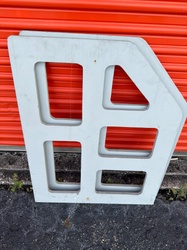
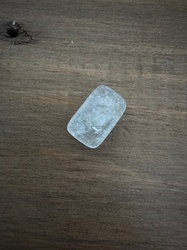
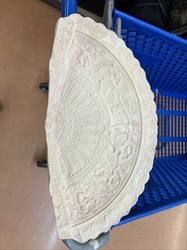
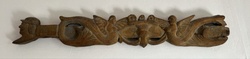
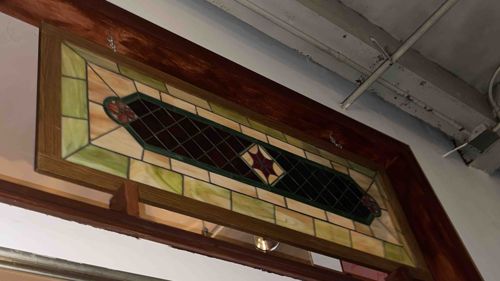
Art Nouveau/Craftsman Style Stained Glass Transom Window

This name is the AI's identification of the item — it may be incorrect.

Submitted photo of Art Nouveau/Craftsman Style Stained Glass Transom Window
Photo submitted by the user — not generated by AI

AI Estimated Value

Not an official valuation

$1,200 - $1,800

AI estimate as of October 14, 2025 · verify with a professional before acting

AI-Generated · Verify before acting

Everything on this page is generated by AI for informational purposes only. AI can make mistakes — the AI may misidentify items or misattribute them (artist, maker, brand, designer, origin, era). This is not an official valuation and should not be used for insurance, sale, tax, estate, legal, or lending purposes — or any decision requiring a certified appraisal. It is not an authoritative claim about any person, brand, or rights holder — do not share or rely on it as a factual statement about a third party. Always consult qualified professionals before making financial decisions.

Read the full disclaimer

AI Item Analysis

AI can make mistakes
This item is a stained glass transom window, likely dating from the late 19th to early 20th century, possibly reflecting elements of the Art Nouveau or Craftsman architectural style. The window is rectangular in shape and features a central elongated octagonal panel, filled with a diagonal grid pattern of dark, possibly amber or deep red, glass. This central panel is bordered by a band of dark emerald green glass. On either side of the central octagonal panel, there is a symmetrical design element: a circular motif with a stylized red flower or star shape in its center, surrounded by lighter, possibly yellowish-cream, glass. The outer perimeter of the window is composed of rectangular and trapezoidal pieces of glass in varying shades of light green and yellowish-cream, arranged in a geometric, brick-like pattern. The stained glass is set within a robust lead came framework, which is characteristic of traditional stained glass construction, holding the individual pieces of glass together. The entire panel is then framed by a substantial, dark-stained wooden surround, which appears to be firmly integrated into a larger wooden door frame or architectural opening, suggesting it is a fixed architectural element rather than a removable panel. The wood frame shows signs of age and wear, including some scratching and minor discoloration, consistent with its probable age. No visible cracks or significant damage are apparent in the glass, and the lead came appears intact, suggesting good structural integrity overall. The craftsmanship indicates a handmade piece, typical of artisan work from the period.
AI Appraisal Report

AI can make mistakes
Upon visual examination of this stained glass transom window, I assess it to be a fine example of American architectural glass from the late 19th or early 20th century, blending elements of the Craftsman and Art Nouveau styles. The piece exhibits sound craftsmanship, with a robust lead came structure and a well-integrated, original dark-stained wood frame. The glass appears to be in excellent condition, with no visible cracks or missing pieces, which is remarkable for an item of this age. The wood frame shows minor age-appropriate wear but retains its structural integrity. The current market for architectural salvage of this quality is strong. Demand is high for well-preserved, authentic period windows that can be incorporated into modern construction or historic restorations. Similar transom windows from this era, particularly those with strong geometric designs and original frames, regularly sell in this price range. This window's balanced composition, with its central octagonal panel and flanking floral motifs, adds to its decorative appeal and marketability. The use of emerald green, amber, and cream glass is characteristic and desirable. The item's primary value driver is its excellent condition and intact original frame. However, this appraisal is based solely on photographic evidence. A full authentication would require in-person examination to assess the tooling marks on the lead, the texture and type of the glass (to rule out modern reproductions), and to search for any maker's marks. Authenticity would be further solidified by provenance documentation tracing its history to the original architectural installation.

Keep exploring

More architectural salvage / decorative arts appraisals

Get your items appraised

Instant AI-powered appraisal estimates — a starting point, not an official valuation

Browse More Appraisals