AI Appraisal Estimate

AI-generated estimates · not official valuations

From the user

What was submitted

Photo and notes provided by the user — not generated by AI

Submitted item photo
Submitted photo · June 18, 2026

User's notes

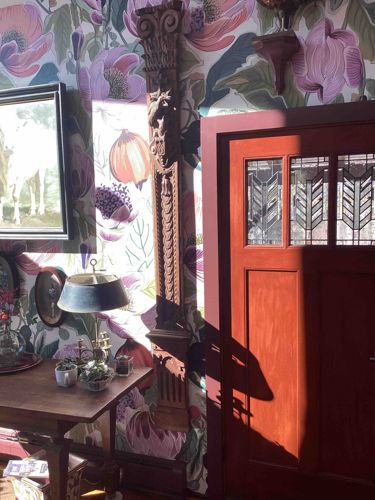
Hand carved pillar pair of them from a British manor house

AI analysis below

AI appraisal

AI analysis & estimate

AI-Generated · Verify before acting

Everything below is generated by AI for informational purposes only. AI can make mistakes — the AI may misidentify items or misattribute them (artist, maker, brand, designer, origin, era). This is not an official valuation and should not be used for insurance, sale, tax, estate, legal, or lending purposes — or any decision requiring a certified appraisal. It is not an authoritative claim about any person, brand, or rights holder — do not share or rely on it as a factual statement about a third party. Always consult qualified professionals before making financial decisions.

Note

This analysis also relies on unverified notes provided by the user, which may be incomplete or inaccurate and could affect the result.

Read the full disclaimer

AI Identification

·Not independently authenticated·Verify before acting

Pair of British Manor House Hand-Carved Oak Architectural Pilasters

Architectural Antiques & Salvage

AI Estimated Value

·Not an official valuation·Verify before acting

$4,500 - $6,500

As of June 18, 2026

AI Item Analysis

·AI can make mistakes·Verify before acting
This is a pair of exceptionally fine hand-carved wooden architectural pilasters, originally salvaged from a British manor house. Each piece is crafted from a single, dense piece of hardwood, likely English Oak, showing a deep, natural medium-brown wood grain with a refined old-world patina. The pilasters are approximately 7 to 8 feet in height and feature a classical architectural design with Gothic and Renaissance influences. The top is crowned with a highly detailed capital featuring organic scrolled volutes and acanthus leaf motifs. Below the capital, the shaft is deeply carved with an intricate floral pendant bundle that transitions into a rhythmic gadrooned or braided 'guilloché' pattern running the vertical length of the piece. The base is anchored by a blocky pedestal base with fluted details and stylized leaf brackets. The condition appears commensurate with age, showing some vertical age-cracks (checking) and minor surface wear which provides authentic character. The depth of the carving suggests high-quality craftsmanship from the late 19th century (Victorian era) or early 20th century. There are no visible maker's marks, but the uniform sharpness of the carving indicates professional artisanal work intended for a high-status interior.

AI Appraisal Report

·AI can make mistakes·Verify before acting
Based on my visual examination of these monumental architectural pilasters, I have identified them as high-quality English Oak carvings likely dating to the late 19th-century Victorian 'Gothic Revival' period. The scale—standing approximately 7 to 8 feet—combined with the depth of the hand-carved fruit pendants and guilloché shafts, suggests they were commissioned for a significant domestic interior, such as a manor house library or grand hall. The medium-brown patina is consistent with aged oak, and the vertical checking (age-cracks) is a natural occurrence in solid timber of this density, confirming the use of primary wood rather than modern composites. The market for high-end architectural salvage remains robust, particularly for matching pairs of this height. Similar 19th-century oak pilasters from reputable salvage firms command substantial premiums because they are often repurposed into bespoke cabinetry or used as fireplace surrounds. The sharp execution of the acanthus capitals elevates these above standard decorative moldings. Factors impacting value include the exceptional detail and the lack of significant structural rot or insect damage common in salvaged wood. However, as this appraisal is based on photographic evidence, it is subject to certain limitations. Final authentication would require an in-person inspection to verify the joinery techniques and ensure the surface hasn't been chemically stripped or over-waxed. Historical provenance documentation, such as house sale records or photographs of the original installation, would be necessary to verify the 'British manor house' claim and potentially increase the valuation by 20-30%.

Get your items appraised

Instant estimates of your treasures with AI-powered appraisals

Browse More Appraisals