AI Appraisal Estimate

AI-generated estimates · not official valuations

From the user

What was submitted

Photo and notes provided by the user — not generated by AI

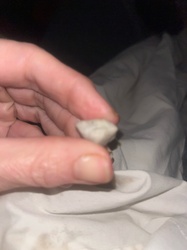
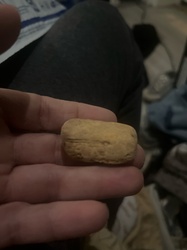
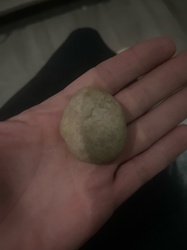
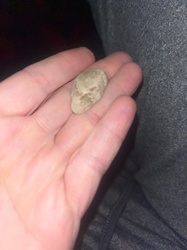
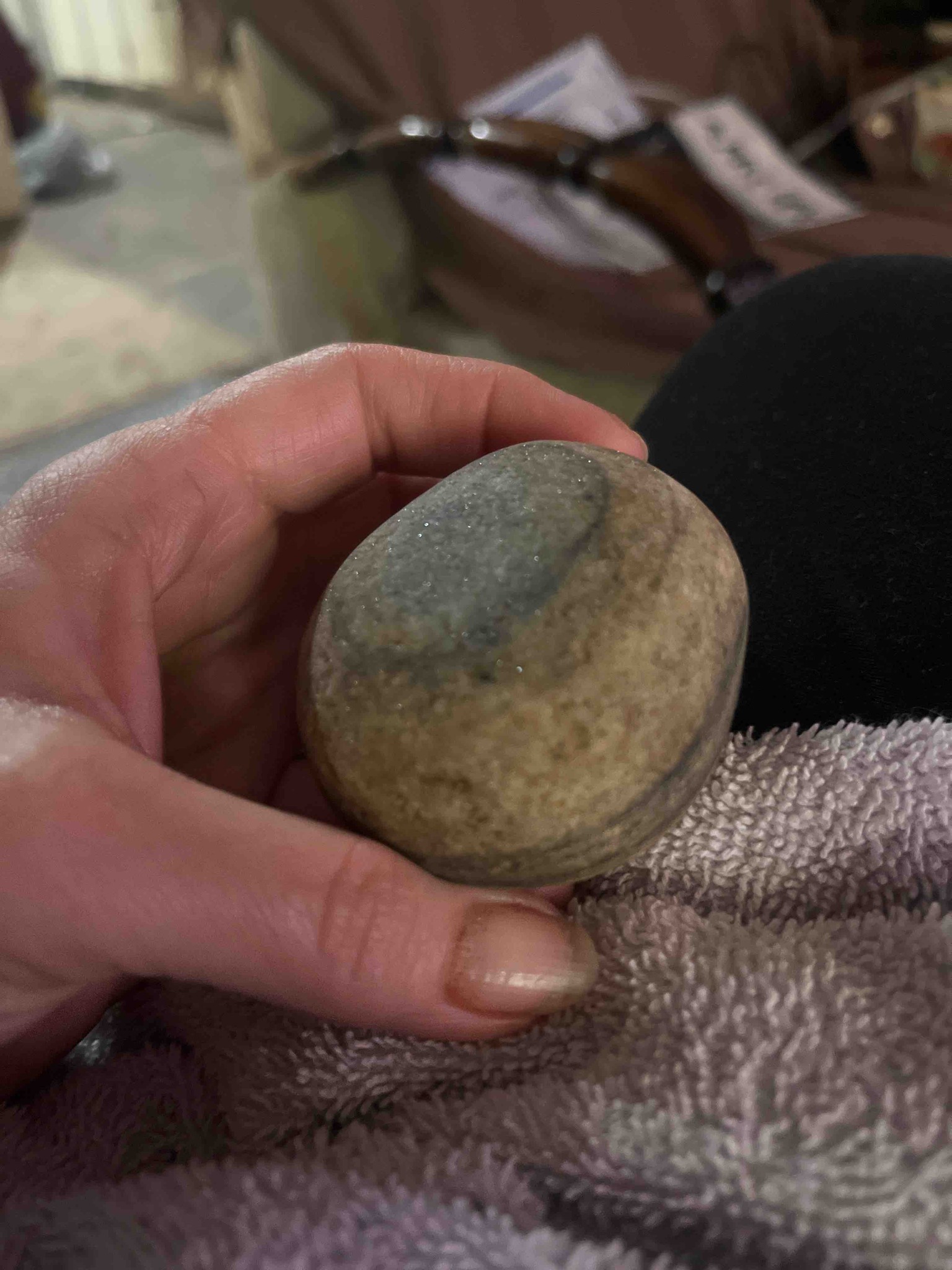
Submitted item photo
Submitted photo · May 27, 2026

User's notes

No additional notes provided.

AI analysis below

AI appraisal

AI analysis & estimate

AI-Generated · Verify before acting

Everything below is generated by AI for informational purposes only. AI can make mistakes — the AI may misidentify items or misattribute them (artist, maker, brand, designer, origin, era). This is not an official valuation and should not be used for insurance, sale, tax, estate, legal, or lending purposes — or any decision requiring a certified appraisal. It is not an authoritative claim about any person, brand, or rights holder — do not share or rely on it as a factual statement about a third party. Always consult qualified professionals before making financial decisions.

Read the full disclaimer

AI Identification

·Not independently authenticated·Verify before acting

Naturally Banded Polished River Stone

Geological Specimens / Natural Collectibles

AI Estimated Value

·Not an official valuation·Verify before acting

$15.00 - $35.00

As of May 27, 2026

AI Item Analysis

·AI can make mistakes·Verify before acting
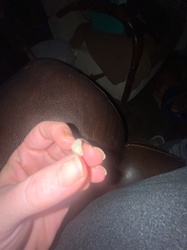
This item is a smooth, palm-sized water-worn cobble or river stone characterized by distinct geological banding. The stone displays an ellipsoidal, rounded shape, approximately 5-7 centimeters in length, suggesting long-term natural tumbling in a river or high-energy coastal environment. Its composition appears to be a fine-grained sedimentary or metamorphic rock, possibly sandstone or quartz-rich siltstone, featuring a palette of earthy tones including beige, tan, and dark charcoal gray. The most striking feature is the concentric or lateral banding—a dark gray circular zone is centered on the top surface, surrounded by lighter tan layers, which might indicate varied mineral deposition or a cross-section of a larger sedimentary structure. The surface texture is matte but smooth to the touch, with fine crystalline inclusions that provide a subtle glint or sparkle under light, characteristic of silicate minerals. There are no visible maker's marks, signatures, or synthetic alterations, indicating this is a natural specimen rather than a manufactured object. The condition is consistent with natural weathering; it shows minor surface abrasions and micro-pitting typical of geologic transport, but lacks significant fractures or structural damage. This specimen represents millions of years of geologic history, though its 'current' form is a result of quaternary erosion processes.
AI Appraisal Report

·AI can make mistakes·Verify before acting
I have conducted a visual examination of this naturally banded river stone. The specimen exhibits authentic geological features consistent with a water-worn silica-rich sedimentary rock. The concentric banding, while aesthetically pleasing, occurs naturally through rhythmic mineral deposition or differential erosion. The condition is excellent for a natural specimen, showing expected minor micro-pitting from fluvial transport without distracting structural fractures or human-made alterations. This stone falls under the category of 'found objects' or 'natural collectibles' often marketed as meditation stones or desk accessories. In the current market for mineral specimens, value is largely driven by aesthetic symmetry and 'curiosity' appeal rather than mineralogical rarity. Comparable items—often sold at museum gift shops or specialized mineral boutiques—typically retail in the $10 to $40 range. The lack of rare inclusions (such as semi-precious crystals) or rare fossilized remains limits the valuation toward the lower end of the specialty collectible market. However, the high degree of symmetry in the banding provides a slight premium over generic river rocks. Limitations to this appraisal include the inability to verify the exact mineral hardness or provenance through digital imagery. For a definitive authentication, I would require a physical examination to conduct a Mohs hardness test and look for evidence of artificial polishing treatments (such as residual buffing compounds). A verified provenance from a specific, geologically significant locality could marginally increase the value, though for a stone of this size and common composition, scientific testing would likely exceed the market value of the object itself. It is presented here as a decorative natural specimen of modest value.

Get your items appraised

Instant estimates of your treasures with AI-powered appraisals

Browse More Appraisals