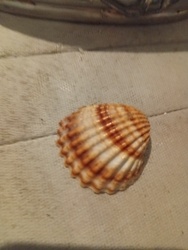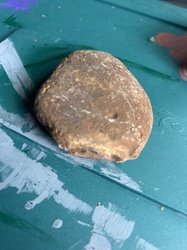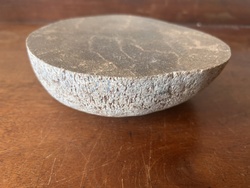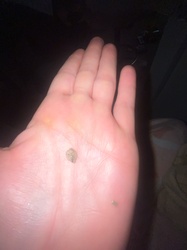
AI identification & appraisal estimate

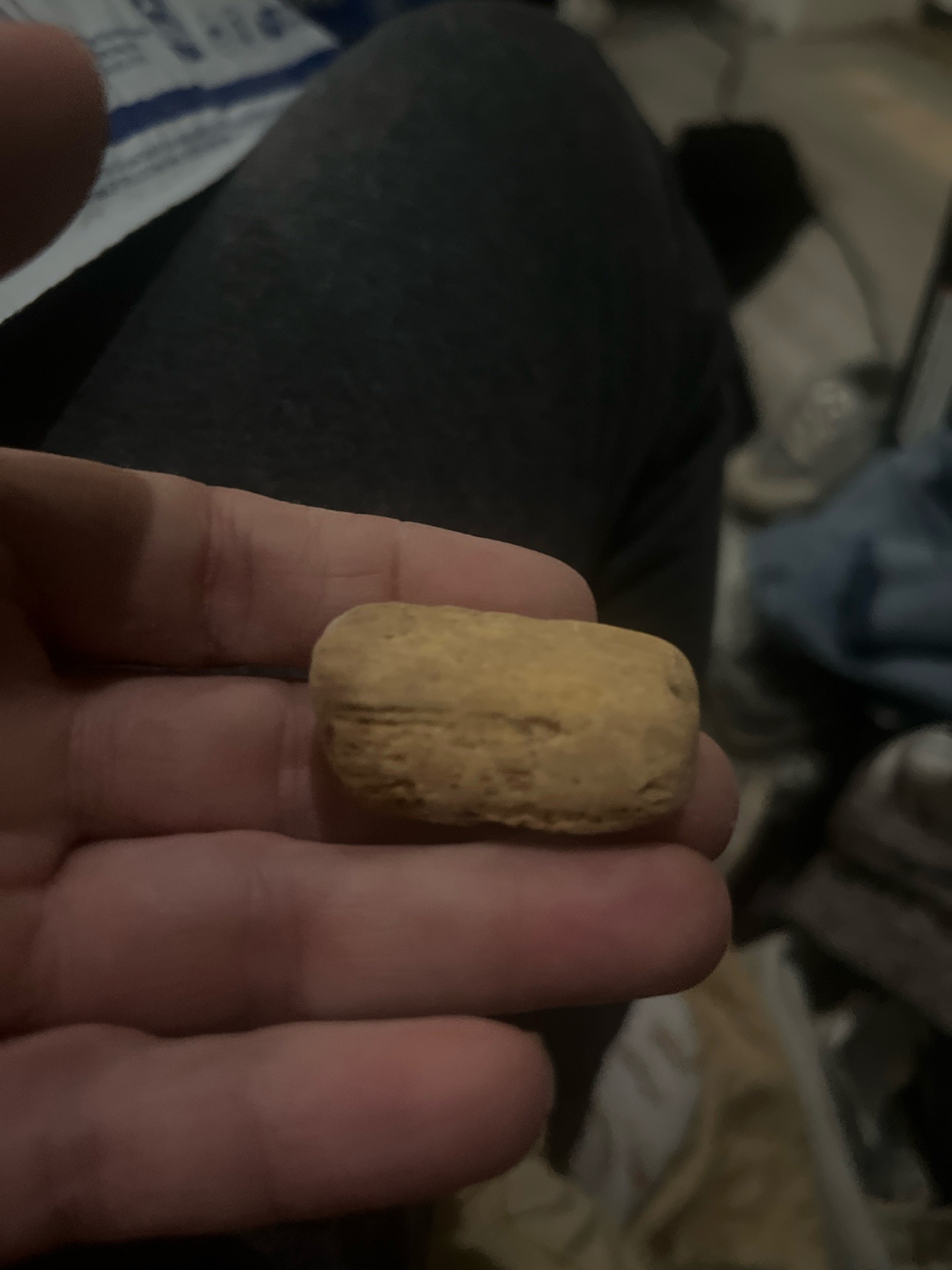
Small rectangular specimen consistent with a mineral or fossilized fragment

This name is the AI's identification of the item — it may be incorrect.

Submitted photo of Small rectangular specimen consistent with a mineral or fossilized fragment
Photo submitted by the user — not generated by AI

AI Estimated Value

Not an official valuation

$5 - $25

AI estimate as of June 12, 2026 · verify with a professional before acting

AI-Generated · Verify before acting

Everything on this page is generated by AI for informational purposes only. AI can make mistakes — the AI may misidentify items or misattribute them (artist, maker, brand, designer, origin, era). This is not an official valuation and should not be used for insurance, sale, tax, estate, legal, or lending purposes — or any decision requiring a certified appraisal. It is not an authoritative claim about any person, brand, or rights holder — do not share or rely on it as a factual statement about a third party. Always consult qualified professionals before making financial decisions.

Read the full disclaimer

AI Item Analysis

This object is a small, roughly rectangular or oblong specimen with rounded edges, being held between a person's fingers for scale. The item appears to be approximately 3 to 4 centimeters in length. The material exhibits a porous or granular texture and a light tan to yellowish-brown color, which is stylistically consistent with sedimentary rock, a fossilized bone fragment, or certain types of mineral concretions. One side of the object shows subtle horizontal striations or layering, which could suggests a natural formation process such as mineralization or calcification. There are no visible maker's marks, signatures, or inscriptions, which is typical for a natural or geological find. The surface shows some irregular pitting and wear, consistent with an object that has been weathered or handled. Without physical testing or expert analysis, its exact composition remains unverified, though its appearance is consistent with small decorative stones or paleontological fragments commonly found in natural history collections or as personal finds. The lighting in the photo is somewhat dim, which may obscure finer surface details or color variations.
AI Appraisal Report

Based on my examination of the provided image, I have analyzed this small specimen as a natural history object, likely a mineral concretion or a small fossilized fragment. The specimen measures approximately 3 to 4 centimeters and exhibits a porous, yellowish-brown texture consistent with sedimentary origins. I can observe some horizontal striations that may indicate natural layering; however, I cannot verify the exact geological composition or biological origin from a photo alone. A physical inspection by a paleontologist or geologist would be necessary to distinguish between a common mineral formation and a specific fossilized bone fragment. The value estimate is based on the item as a small, unattributed geological find. Items of this nature are frequently found in the current market as decorative 'curiosity' pieces or educational samples. If the specimen were later identified as a specific, rare fossil type with documented provenance, the value could increase slightly; conversely, if it is determined to be a common stone or weathered concrete fragment, it would hold primarily nominal or sentimental value. Because there are no visible markings or diagnostic features to suggest a high-value rarity, the market demand remains limited to casual collectors. To confirm the nature of the piece, scientific testing such as a hardness test or microscopic surface analysis is recommended. The provided range reflects typical market behavior for small, unauthenticated natural specimens of undetermined origin.

Keep exploring

More natural history specimens appraisals

Get your items appraised

Instant AI-powered appraisal estimates from a photo

Browse More Appraisals