Antique Burmese Teak Serpentine Bracket Carving
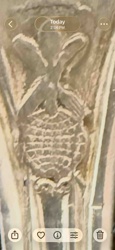
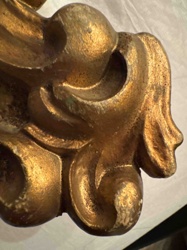
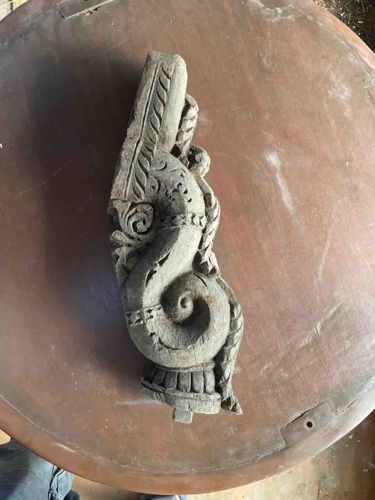
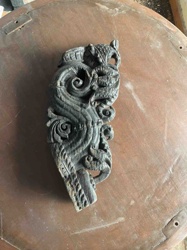
This is a hand-carved architectural element fashioned from Burma Teak, characterized by its dense grain and durability. The piece features a prominent serpentine or 'S' scroll form, likely serving as a decorative corbel or bracket for a traditional structure. The carving displays intricate relief work, including braided border patterns, stylized foliate accents, and a central spiral volute. The wood exhibits a weathered, matte greyish-brown patina, consistent with aged teak that has been exposed to the elements or stripped of its original finish. Physical condition shows significant signs of age and wear: there are visible grain splits (checking), blunted edges on the finer details, and evidence of surface erosion. Notably, a tenon joint is visible at the base, suggesting it was once slotted into a larger structural frame. The craftsmanship reflects traditional Southeast Asian woodcarving techniques, likely dating from the late 19th to early 20th century. Its asymmetrical, organic curves and deep undercuts demonstrate a high level of manual skill, though the current desiccated state of the wood indicates it has been salvaged from a defunct building or temple.
AI-Generated Appraisal Disclaimer
Estimated Value
$450 - $700
Basic Information
Category
Architectural Salvage & Wood Carvings
Appraised On
January 28, 2026
Estimated Value
$450 - $700
Additional Details Provided By Owner
User Provided Information
Burma Teak Wood Carving
Item Description
This is a hand-carved architectural element fashioned from Burma Teak, characterized by its dense grain and durability. The piece features a prominent serpentine or 'S' scroll form, likely serving as a decorative corbel or bracket for a traditional structure. The carving displays intricate relief work, including braided border patterns, stylized foliate accents, and a central spiral volute. The wood exhibits a weathered, matte greyish-brown patina, consistent with aged teak that has been exposed to the elements or stripped of its original finish. Physical condition shows significant signs of age and wear: there are visible grain splits (checking), blunted edges on the finer details, and evidence of surface erosion. Notably, a tenon joint is visible at the base, suggesting it was once slotted into a larger structural frame. The craftsmanship reflects traditional Southeast Asian woodcarving techniques, likely dating from the late 19th to early 20th century. Its asymmetrical, organic curves and deep undercuts demonstrate a high level of manual skill, though the current desiccated state of the wood indicates it has been salvaged from a defunct building or temple.
Get Your Items Appraised
Instant estimates of your treasures with AI-powered instant appraisals