AI identification & appraisal estimate

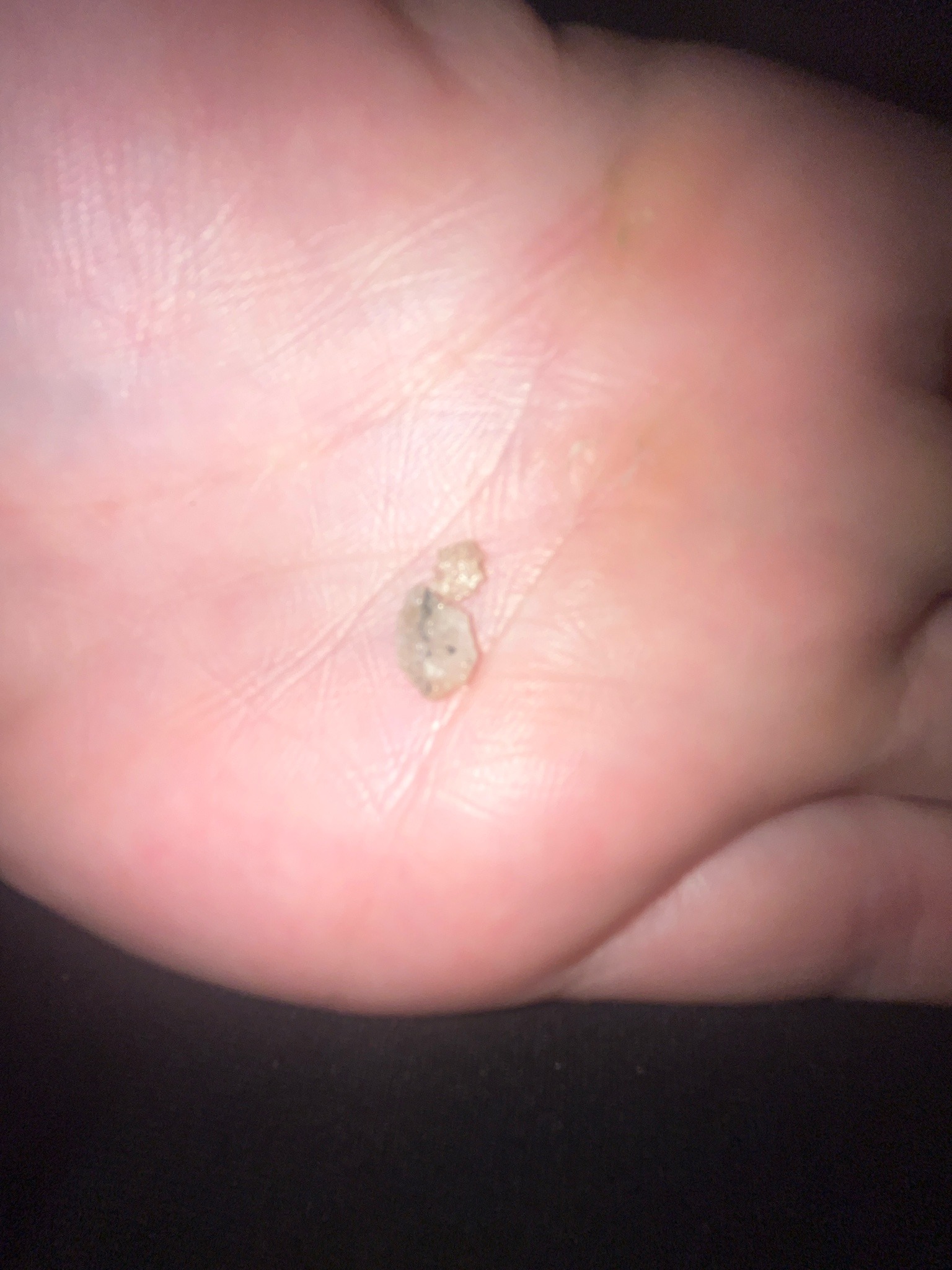
Small mineral specimens consistent with Quartz or Calcite

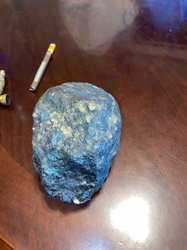
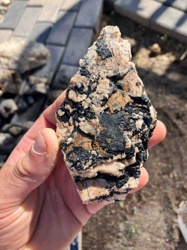
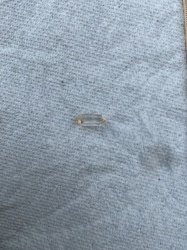
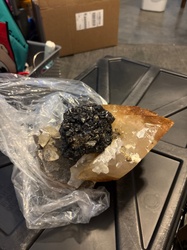
Submitted photo of Small mineral specimens consistent with Quartz or Calcite
Photo submitted by the user — not generated by AI

AI Estimated Value

Not an official valuation

$1 - $5

AI estimate as of June 4, 2026 · verify with a professional before acting

AI-Generated · Verify before acting

Everything on this page is generated by AI for informational purposes only. AI can make mistakes — the AI may misidentify items or misattribute them (artist, maker, brand, designer, origin, era). This is not an official valuation and should not be used for insurance, sale, tax, estate, legal, or lending purposes — or any decision requiring a certified appraisal. It is not an authoritative claim about any person, brand, or rights holder — do not share or rely on it as a factual statement about a third party. Always consult qualified professionals before making financial decisions.

Read the full disclaimer

AI Item Analysis

This image features two small, irregularly shaped mineral specimens resting in the palm of a hand. The larger of the two fragments appears to be translucent with a light grey or whitish hue, exhibiting internal fractures and small dark specks that are consistent with mineral inclusions. The smaller fragment is more yellowish or tan in color and possesses a crystalline, sugary texture similar to druzy formations. The specimens are very small, likely measuring only a few millimeters in length. Due to the lack of a scale or physical testing, these could be common minerals such as quartz, calcite, or even fragments of river stone. There are no visible maker's marks, signatures, or identifying labels present on the items. The surface of the minerals appears naturally rough and unpolished, suggesting they may be raw field-collected samples rather than worked stones. Without chemical analysis or hardness testing, a specific mineralogical identification remains a hypothesis based strictly on visual cues.
AI Appraisal Report

Based on the provided image, I am examining two small mineral fragments held in a palm, which appear consistent with common specimens such as quartz, calcite, or perhaps field-collected river stone fragments. The larger piece displays a translucent, light-grey hue with internal inclusions, while the smaller fragment exhibits a yellowish, sugary druzy texture. Because I am assessing these from a photograph, I cannot perform hardness tests, chemical analysis, or determine specific gravity, all of which would be necessary to establish a mineralogical identification. These characteristics are currently treated as a hypothesis rather than an established identification. Based on what I can see, these specimens appear to be raw, unpolished, and lacking in the significant crystal habits or rare coloration that typically drive value in the mineral market. The value for common mineral fragments of this size and quality is nominal, often relegated to educational sets or decorative 'pocket stones.' In the general market for similar unworked specimens, interest is typically low unless the pieces are associated with a specific, highly-regarded locality. To establish a more precise value or confirm the mineral type, an in-person examination by a gemologist or mineralogist would be required. If these were found to be rare mineral species or from a historically significant outcropping, the value could increase slightly; however, if they are determined to be common quartzite or calcite fragments, the current estimate of a few dollars is representative. Without documented provenance or scientific testing to suggest rarity, they are valued as generic geological samples.

Keep exploring

More minerals and specimens appraisals

Get your items appraised

Instant AI-powered appraisal estimates from a photo

Browse More Appraisals