AI identification & appraisal estimate

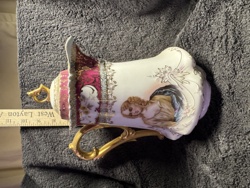
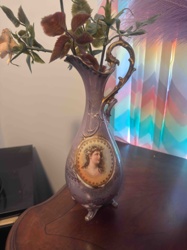
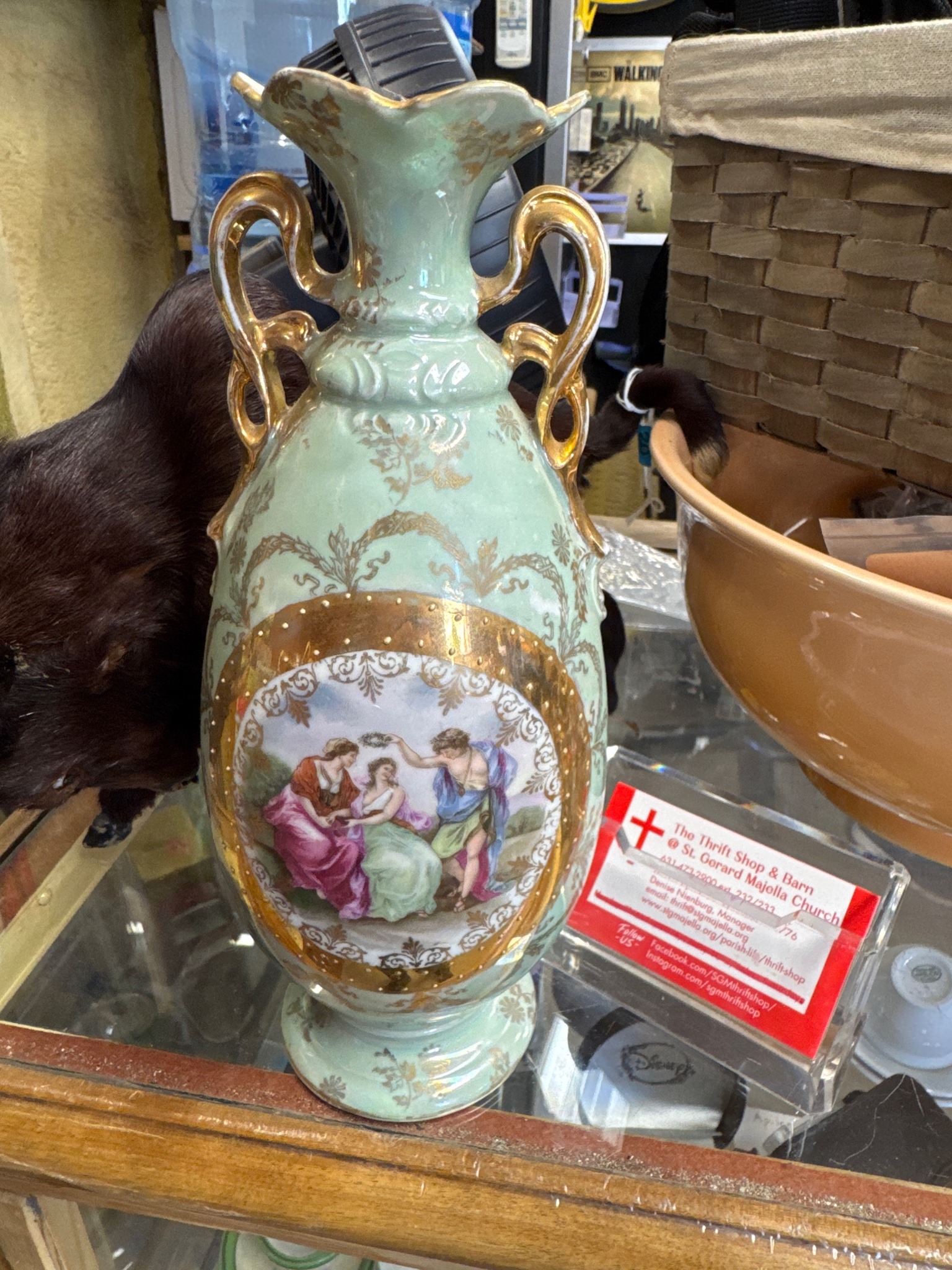
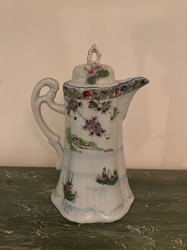
Neoclassical Style Hand-Painted Porcelain Amphora Vase

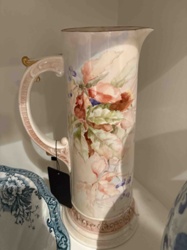
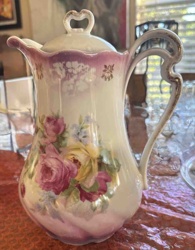
Submitted photo of Neoclassical Style Hand-Painted Porcelain Amphora Vase
Photo submitted by the user — not generated by AI

AI Estimated Value

Not an official valuation

$450 - $650

AI estimate as of May 12, 2026 · verify with a professional before acting

AI-Generated · Verify before acting

Everything on this page is generated by AI for informational purposes only. AI can make mistakes — the AI may misidentify items or misattribute them (artist, maker, brand, designer, origin, era). This is not an official valuation and should not be used for insurance, sale, tax, estate, legal, or lending purposes — or any decision requiring a certified appraisal. It is not an authoritative claim about any person, brand, or rights holder — do not share or rely on it as a factual statement about a third party. Always consult qualified professionals before making financial decisions.

Read the full disclaimer

AI Item Analysis

This is a decorative neoclassical-style porcelain vase, characterized by an elongated ovoid body with a flared, scalloped rim and ornate double handles. The vase features a pale celadon or mint green glaze base, heavily accented with gilding throughout. Two prominent scroll-style handles are fully gilded, though they show significant wear and thinning of the gold leaf consistent with age and handling. The central focus is a hand-painted circular cartouche depicting a romanticized classical scene with three figures in a pastoral landscape, reminiscent of the Rococo or Neoclassical periods. This scene is bordered by a thick, raised gold band decorated with a beaded dot pattern. The rest of the body is adorned with intricate floral and scrollwork gold stencils. There is visible crazing and some minor chips near the scalloped top edge, and the overall patina suggests a manufacturing date in the late 19th to early 20th century. While no maker's mark is visible from this angle, the style is typical of Continental European porcelain, such as that produced by Royal Bonn or Limoges for the export market. The craftsmanship is high, evidenced by the delicate brushwork in the central vignette and the complex relief of the handles.
AI Appraisal Report

Upon visual examination of this Neoclassical-style porcelain amphora, I find it to be a fine example of Continental European decorative art, likely originating from late 19th-century Germany or France. The hand-painted central vignette demonstrates superior craftsmanship, particularly in the soft transitions of the pastoral sky and the anatomical proportions of the figures. However, the condition presents several 'deductions' from a top-tier valuation. Specifically, the visible crazing indicates age but also reveals environmental stress on the glaze. The significant gilt loss on the handles and the minor chipping along the scalloped rim are the primary factors temperance the value. The current market for 'brown furniture' and traditional ceramics has softened, though pieces with vibrant cartouches and high-relief gilding remain popular among niche collectors of Limoges or Royal Bonn. Comparables for similar unmarked vases in this condition typically hammer between $400 and $700 in regional auction houses. Because I am examining this via an image, I cannot verify the presence of a maker’s mark on the underside, which could significantly increase the value if identified as a prestige manufacturer like Sèvres or Meissen. A full authentication would require an in-person inspection to determine if the gold is genuine mercury gilding or a later lacquer, a check for professional restorations under UV light, and a review of any provenance documents or historical sales receipts to establish a clear chain of ownership.

Keep exploring

More antique ceramics and porcelain appraisals

Get your items appraised

Instant AI-powered appraisal estimates from a photo

Browse More Appraisals