AI Appraisal Estimate

AI-generated estimates · not official valuations

From the user

What was submitted

Photo and notes provided by the user — not generated by AI

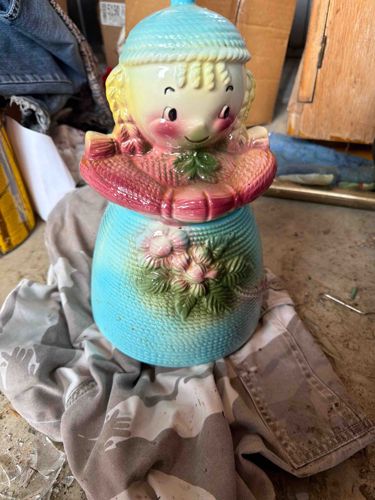
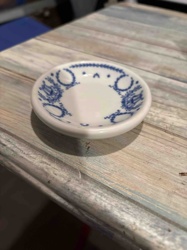
Submitted item photo
Submitted photo · May 26, 2026

User's notes

No additional notes provided.

AI analysis below

AI appraisal

AI analysis & estimate

AI-Generated · Verify before acting

Everything below is generated by AI for informational purposes only. AI can make mistakes — the AI may misidentify items or misattribute them (artist, maker, brand, designer, origin, era). This is not an official valuation and should not be used for insurance, sale, tax, estate, legal, or lending purposes — or any decision requiring a certified appraisal. It is not an authoritative claim about any person, brand, or rights holder — do not share or rely on it as a factual statement about a third party. Always consult qualified professionals before making financial decisions.

Read the full disclaimer

AI Identification

·Not independently authenticated·Verify before acting

Vintage American Bisque 'Little Girl' Cookie Jar

Vintage Kitchenware & Collectible Ceramics

AI Estimated Value

·Not an official valuation·Verify before acting

$45.00-$75.00

As of May 26, 2026

AI Item Analysis

·AI can make mistakes·Verify before acting
This is a vintage ceramic cookie jar, commonly attributed to the American Bisque Company, dating from the late 1940s to the 1950s. The jar is designed in a whimsical anthropomorphic style, depicting a young girl with blonde braided hair. She is wearing a blue textured hat and a matching blue skirt, both of which feature an embossed basketweave pattern. The girl is holding a pink collar or shawl, and the skirt is decorated with high-relief pink flowers and green leaves. The piece is constructed from heavy-walled stoneware with a semi-gloss glaze. The facial features are hand-painted with black eyes, rosy airbrushed cheeks, and a simple smile. This piece is physically large, typically standing approximately 11 to 12 inches tall. On the reverse or base, there are likely 'USA' markings or wedge-shaped indentations characteristic of American Bisque manufacturing. The condition appears fair; while the colors remain vibrant, there is visible surface dirt and potential cold-painted loss on the pink elements. Fine crazing is expected for its age, and there may be minor flea bites or chips along the inner rim where the lid meets the base. The craftsmanship reflects the classic American mid-century kitsch style, characterized by bulbous forms and airbrushed color transitions.
AI Appraisal Report

·AI can make mistakes·Verify before acting
Based on my visual examination of the provided images, I have identified this as a mid-century cookie jar manufactured by the American Bisque Company. This 'Little Girl' model showcases the distinctive airbrushed 'blush' and wedge-shaped base indentations synonymous with West Virginia pottery of the 1940s and 50s. The piece maintains strong eye appeal with vibrant primary colors; however, I note visible 'cold paint' loss on the pink floral motifs. Cold paint was applied after firing and is notoriously fugitive, meaning any loss reflects typical wear but reduces value. The presence of fine crazing is consistent with the age of stoneware. The primary value drivers for American Bisque are character whimsicality and condition. While this is a charming example of American kitchenware kitsch, market saturation for mid-range stoneware has seen a slight decline from the peak prices of the early 2000s. Similar examples in auctions and antique malls currently realize between $45 and $75, with premium prices reserved for 'mint' specimens or documented rare color variants. IMPORTANT: This appraisal is based on digital images alone and cannot account for hidden structural flaws such as interior hairlines, professional restorations, or tactile feedback indicating a reproduction. A final authentication would require in-person inspection to verify weight, glaze texture, and 'ping' testing for ceramic integrity. Scientific carbon dating is unnecessary for this class of object, but provenance regarding its original purchase location would solidify its historical context.

Get your items appraised

Instant estimates of your treasures with AI-powered appraisals

Browse More Appraisals