AI Appraisal Estimate

AI-generated estimates · not official valuations

From the user

What was submitted

Photo and notes provided by the user — not generated by AI

Submitted item photo
Submitted photo · June 18, 2026

User's notes

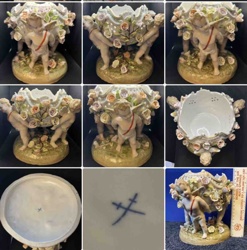
Franz Anton Mehlem Bonn

AI analysis below

AI appraisal

AI analysis & estimate

AI-Generated · Verify before acting

Everything below is generated by AI for informational purposes only. AI can make mistakes — the AI may misidentify items or misattribute them (artist, maker, brand, designer, origin, era). This is not an official valuation and should not be used for insurance, sale, tax, estate, legal, or lending purposes — or any decision requiring a certified appraisal. It is not an authoritative claim about any person, brand, or rights holder — do not share or rely on it as a factual statement about a third party. Always consult qualified professionals before making financial decisions.

Note

This analysis also relies on unverified notes provided by the user, which may be incomplete or inaccurate and could affect the result.

Read the full disclaimer

AI Identification

·Not independently authenticated·Verify before acting

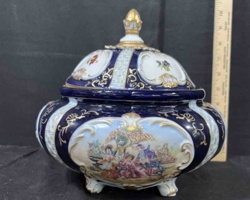
Franz Anton Mehlem Royal Bonn Covered Serving Dish

Antique European Ceramics

AI Estimated Value

·Not an official valuation·Verify before acting

$125.00 - $185.00

As of June 18, 2026

AI Item Analysis

·AI can make mistakes·Verify before acting
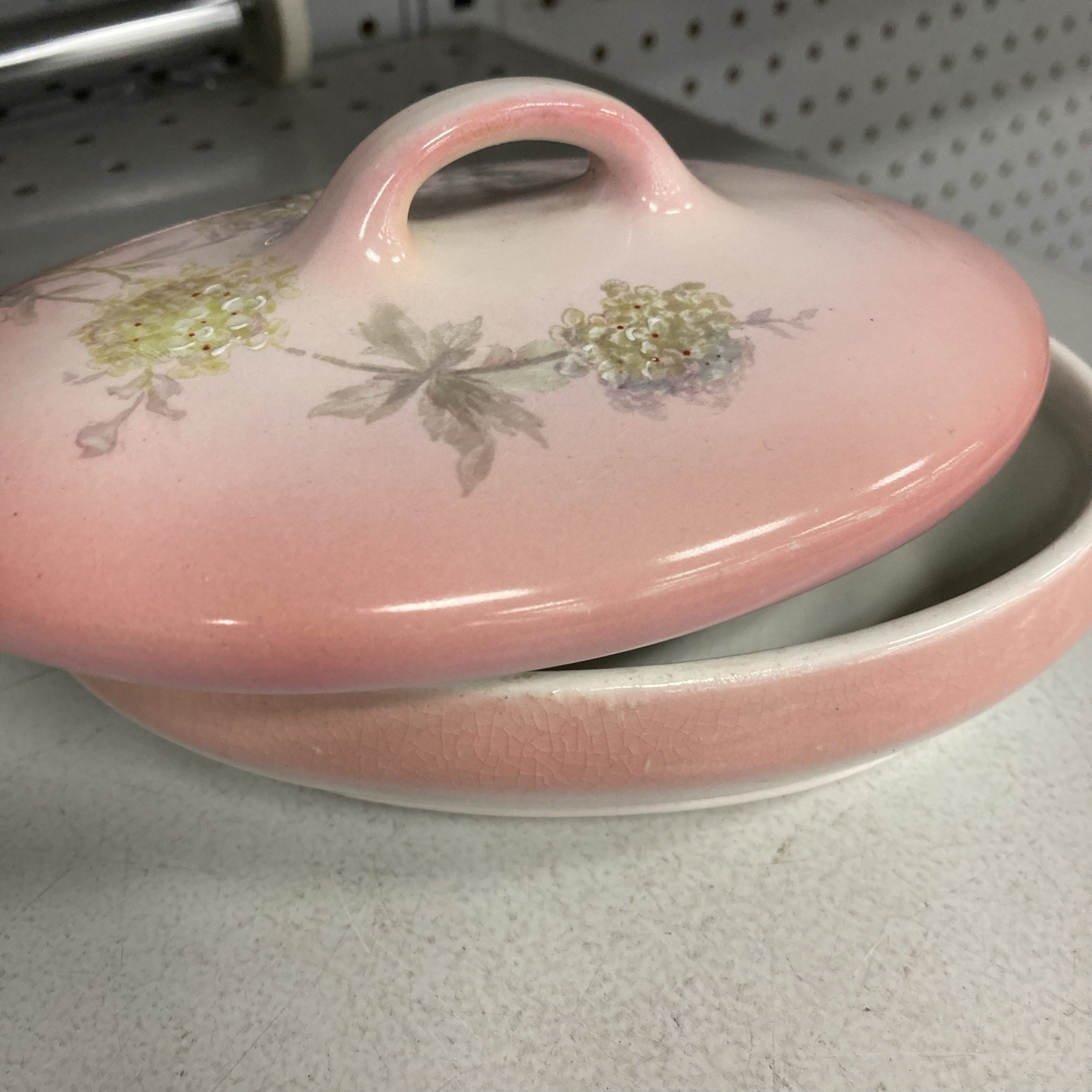
This is a Victorian-era ceramic covered dish produced by the Franz Anton Mehlem factory in Bonn, Germany, likely dating between 1890 and 1910. The piece features a distinct low-profile, elliptical form with a matching domed lid equipped with an integrated handle. The ceramic is decorated with a characteristic shaded airbrushed background transitioning from a soft cream to a dusty rose pink gradient. Superimposed on this ground is a delicate transfer-ware floral motif featuring muted green and pale yellow blossoms with soft greyish-brown foliage. The craftsmanship reflects the late 19th-century 'Royal Bonn' aesthetic, emphasizing romantic, soft-toned palettes and naturalistic designs. Regarding condition, the piece shows significant evidence of age; there is prominent glaze crazing (a network of fine hairline cracks) visible particularly on the lower bowl, along with minor surface staining and shelf wear on the unglazed foot rim. Some discoloration is noted along the lid's seating edge. Despite the crazing, there are no large chips or structural repairs visible in this view. The high-gloss glaze remains largely intact, maintaining the original luster of the airbrushed ground.
AI Appraisal Report

·AI can make mistakes·Verify before acting
I have conducted a visual examination of the Franz Anton Mehlem Royal Bonn covered serving dish. The piece exhibits the classic late 19th-century aesthetic associated with the Royal Bonn factory, specifically the airbrushed 'Rose' palette and transfer-floral motifs popular between 1890 and 1910. The form and handle integration are characteristic of the period's production. In terms of condition, I observed significant glaze crazing and localized staining, which is typical for earthenware of this age but does negatively impact the value compared to pristine examples. The saturation of the airbrushed gradient remains vibrant, which is a positive factor for collectors. The market for German utilitarian ceramics from this era is currently stable but niche. While 'Royal Bonn' is a respected name, standard transfer-ware serving pieces are more common than the highly sought-after hand-painted 'Old Delft' or Tapestry lines. Comparable items in similar condition typically fetch between $100 and $200 at regional auctions or specialized antique malls. The primary value drivers here are the brand name and the decorative appeal of the blush-pink tones. Limitations: My assessment is based solely on the provided imagery. A full authentication would require a physical inspection of the 'Franz Anton Mehlem' or 'Royal Bonn' ink stamp on the underside to confirm it is not a later reproduction. In-person examination is also necessary to detect professional restorations under UV light or internal hairline fractures not visible in photos. Provenance records or original purchase receipts would further solidify the item's historical context and valuation.

Get your items appraised

Instant estimates of your treasures with AI-powered appraisals

Browse More Appraisals