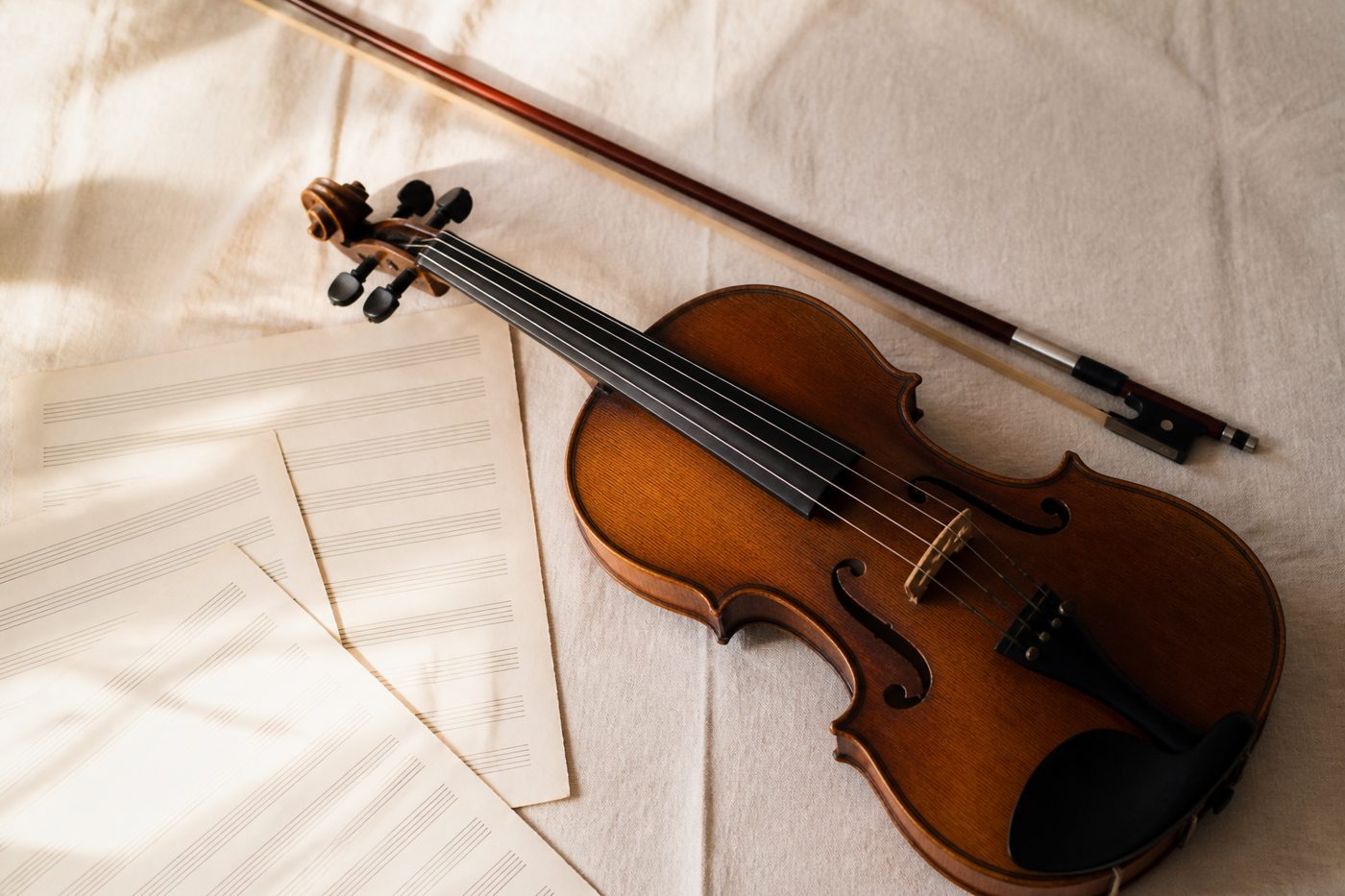
There is no single best place to sell a musical instrument; the right venue depends on what you have, how quickly you need to sell, and how much work you are willing to do. A rare vintage guitar, an ordinary student flute, and an upright piano all point toward very different channels. Before choosing, it helps to know roughly what you have — an instant AI-powered estimate from appraiser.ai can give you a starting point, though you should confirm anything significant with a qualified professional appraiser before committing to a sale.
Specialist auction houses
Several auction houses run dedicated musical instrument sales, and fine violins in particular have a long-established auction tradition. Auctions can work well for rare, authenticated, or provenance-rich instruments because they reach serious collectors and let competitive bidding find the price.
- Pros: access to knowledgeable buyers worldwide; expert cataloguing; strong venue for high-end or unusual pieces.
- Cons: seller's commissions and fees reduce your net; the process often takes months from consignment to payment; results are not guaranteed, and an unsold lot can complicate future sales.
Dealers and specialist shops
Selling outright to a guitar shop, violin dealer, or band-instrument store is usually the fastest route. Dealers buy at wholesale because they carry the costs of restoration, inventory, and finding the eventual buyer.
- Pros: immediate payment; no fees, shipping, or buyer negotiations; dealers can often assess an instrument on the spot.
- Cons: offers tend to sit well below retail; expertise and offers vary between shops, so getting more than one opinion is sensible.
Online marketplaces
General marketplaces and instrument-focused platforms reach the largest audience of players and collectors, and this is where most mid-range instruments change hands today.
- Pros: broadest exposure; you control pricing and timing; often the strongest net proceeds for common and mid-tier instruments.
- Cons: platform and payment fees; you handle photography, description, questions, packing, and shipping; instruments are fragile and shipping damage or disputes are real risks — pianos and large amps are often impractical to ship at all. Accurate, honest condition descriptions are your best protection against returns.
Consignment
Many specialist shops will sell your instrument on consignment: it sits in their inventory, they market it to their clientele, and you split the proceeds.
- Pros: professional presentation and a trusted storefront; typically nets more than an outright dealer sale; good for fine instruments where buyer trust matters, such as violins that customers want to try in person.
- Cons: commissions are meaningful; sales can take months; your instrument is out of your hands in the meantime, so clarify insurance and terms in writing.
Local sales, shows, and swaps
Local classifieds, guitar shows, and community sales suit heavy or inexpensive items — upright pianos, amplifiers, student instruments — where shipping costs would swallow the proceeds.
- Pros: no shipping; cash transactions; buyers can play the instrument before committing.
- Cons: smaller audience; more haggling; take normal safety precautions when meeting buyers.
Matching the venue to the instrument
A rough rule of thumb: the rarer and more valuable the instrument, the more a specialist venue (auction house or fine-instrument dealer) tends to justify its fees; the more common the instrument, the better a broad marketplace or local sale usually serves you. Whatever route you choose, gather your documentation, photograph the instrument thoroughly, and disclose repairs and modifications honestly — transparency tends to protect both your price and the transaction itself.