Unlike coins or trading cards, musical instruments have no single formal grading scale administered by third-party services. Instead, the trade relies on descriptive conventions — terms like mint, excellent, very good, good, fair, and project or player grade — applied with judgment that varies by instrument type. Understanding how condition is actually assessed helps you read listings, photograph your instrument well, and interpret any estimate, including the instant AI-powered starting point you can get from appraiser.ai before verifying with a qualified professional appraiser.
The descriptive scale, roughly
- Mint or near mint: essentially as it left the factory, often unplayed, with case and paperwork. Genuinely rare for older instruments.
- Excellent: light, honest use; minor finish wear but no damage, repairs, or replaced parts.
- Very good / good: visible playing wear, small dings, perhaps minor professional repairs, but structurally sound and fully playable.
- Fair / player grade: significant wear, repairs, or replaced parts; valued mainly as a playing instrument rather than a collectible.
- Project: needs restoration to be playable; valued for parts or potential.
Originality versus condition
In vintage instruments, originality and condition are judged together but are not the same thing. A heavily worn guitar with all original parts and finish often interests collectors more than a shiny refinished example. Common originality checks include finish (a refinish can substantially reduce collector appeal), electronics and hardware on guitars, necks and headstocks (a repaired headstock break is a major consideration), and whether solder joints and date-coded components appear undisturbed. "All original" is a strong claim that buyers tend to scrutinize closely.
Common condition issues by instrument type
- Electric and acoustic guitars: finish checking (fine cracks from age and temperature swings, often tolerated or even liked on vintage pieces), fret wear, neck relief and twist, bridge lifting on acoustics, top cracks, and headstock repairs.
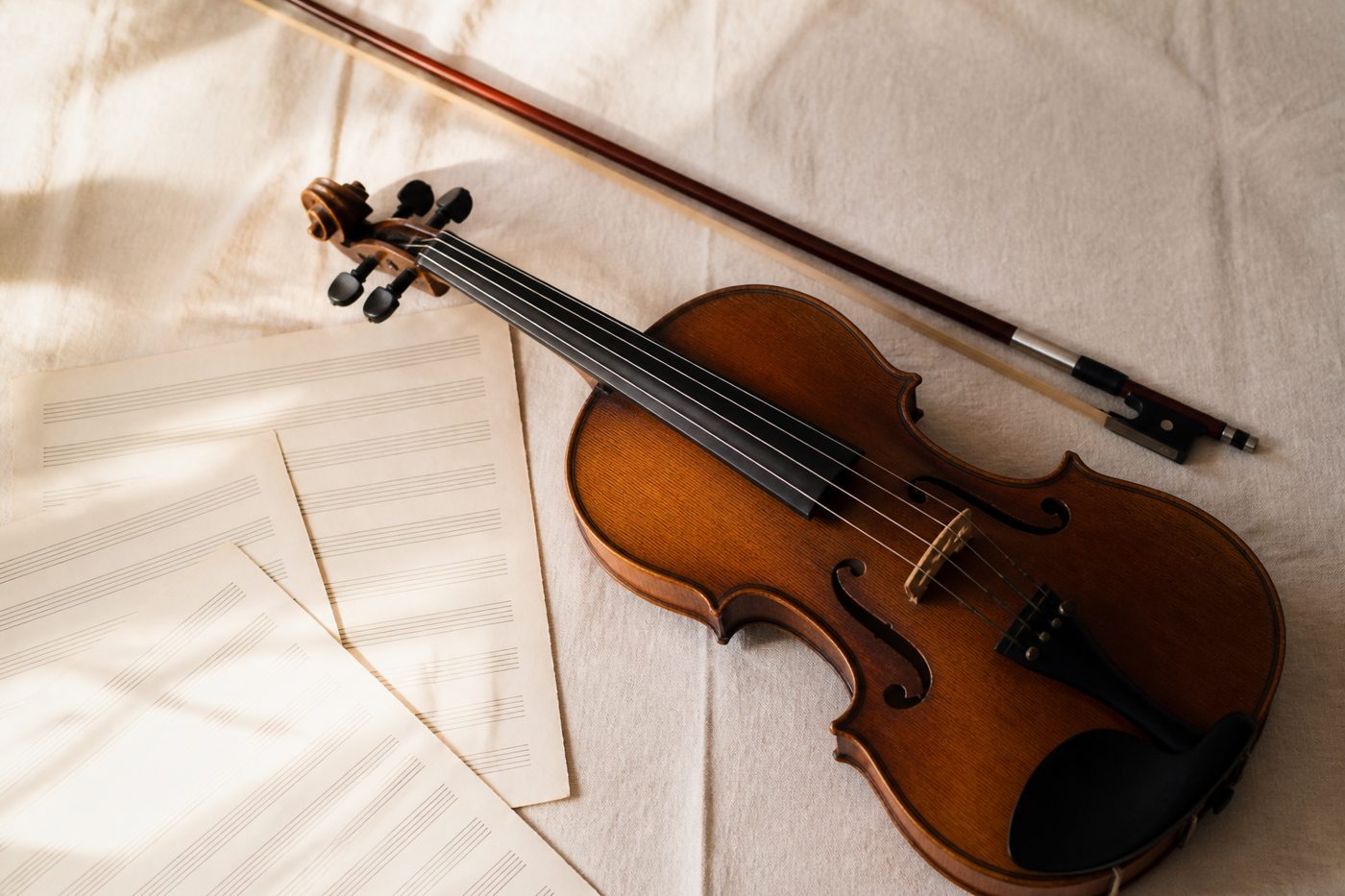
- Violins, violas, and cellos: open seams (routine and repairable), top and back cracks (severity depends heavily on location — a crack at or through the soundpost area is among the most serious), worn fingerboards, neck angle problems, and condition of fittings. The bow is assessed separately for straightness, camber, and tip condition.
- Brass and woodwinds: dents, red rot in brass tubing, worn plating or lacquer, sticky or misaligned keywork, pad and cork condition, and evidence of past dent removal. Original lacquer tends to be preferred to a later relacquer among collectors of vintage saxophones.
- Vintage amplifiers: transformer originality, speaker originality and condition, replaced capacitors (some replacement is normal and often necessary for safe operation), tolex and grille cloth wear, and whether the circuit has been modified.
- Pianos: soundboard cracks, loose tuning pins, worn hammers and action parts, and cabinet condition. Because rebuilding is expensive, mechanical condition dominates the value of most ordinary upright pianos regardless of how the cabinet looks.
What collectors look for
Collectors tend to distinguish between honest wear and damage. Playing wear — belt-buckle scratches, worn finish where an arm rests, darkened varnish — tells a story and is broadly accepted. Damage and poor repairs — cracks stabilized with household glue, oversprayed finishes, amateur electronics work — raise red flags. Documentation of professional repair work by a known shop can turn a repair from a liability into a neutral or even reassuring fact.
How condition affects desirability
As a general pattern, the gap between grades widens as instruments become more collectible. For a common student instrument, condition mainly determines whether it is sellable at all. For a sought-after vintage piece, the difference between an all-original excellent example and a refinished, repaired one can be dramatic. Photographs can capture much of this — which is why clear shots of wear, repairs, labels, serial numbers, and hardware make any photo-based estimate more useful — but structural soundness and playability ultimately require hands-on evaluation by a technician or professional appraiser.