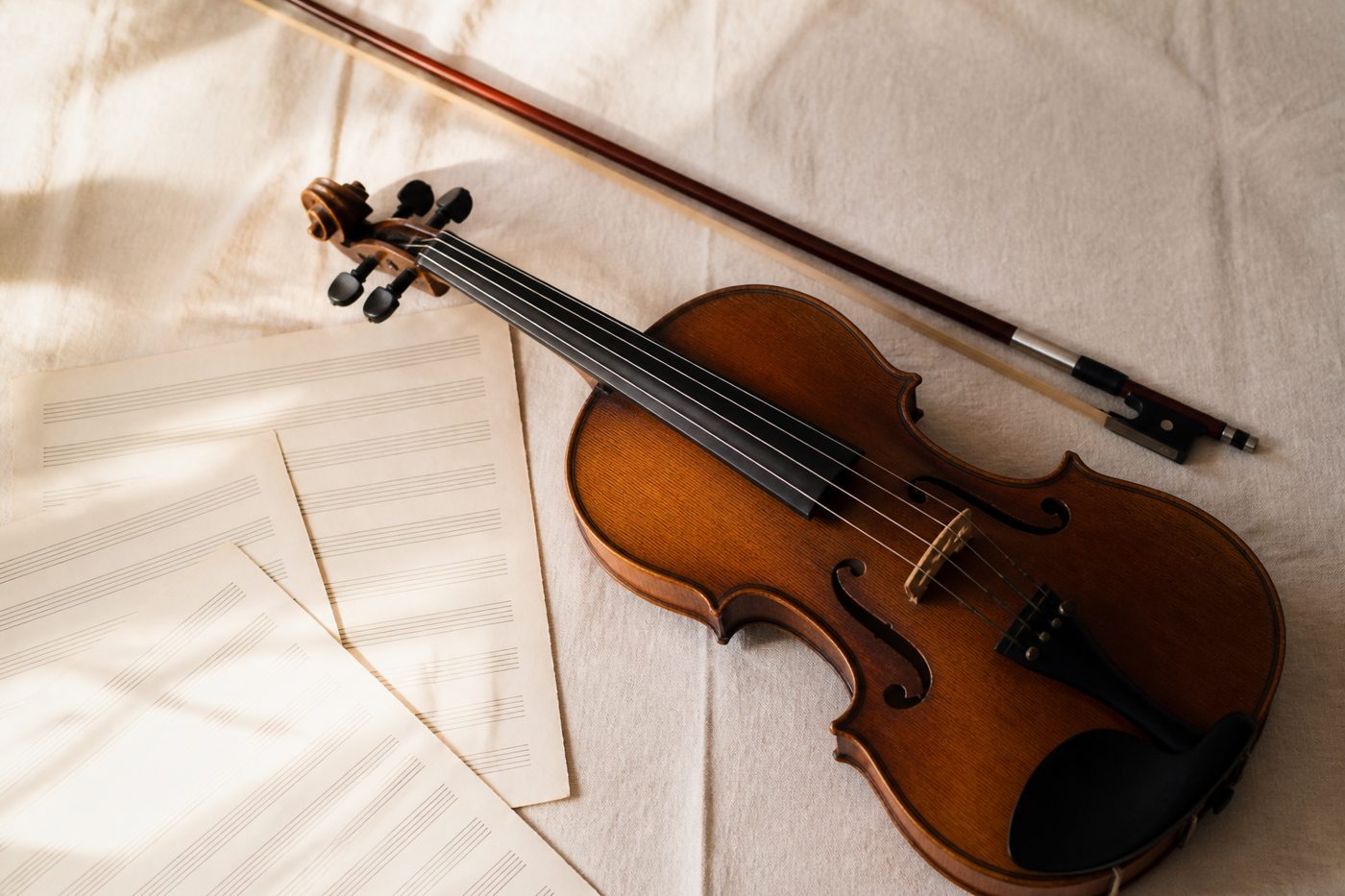
Two instruments can look nearly identical and yet sit worlds apart in value. A factory student violin and a fine workshop violin may share the same shape and varnish color; a reissue guitar may faithfully copy a sought-after original. Understanding what actually drives value helps you interpret any estimate — including an instant AI-powered one from appraiser.ai, which is a useful starting point but should always be verified by a qualified professional appraiser before you make financial decisions.
Maker and origin
The maker is usually the single biggest factor. In the guitar world, instruments from established American and Japanese factories tend to command more interest than unbranded or budget imports, and within a brand, certain factories, countries of origin, and production eras are more sought after than others. For violins and other bowed strings, the spectrum runs from mass-produced trade instruments to individual luthier-made pieces, and a genuine attribution to a respected workshop can matter enormously. Be cautious with labels: countless violins carry labels naming famous historical makers, and the vast majority are honest copies or tributes rather than originals.
Age and era
Age alone does not create value — plenty of old instruments are simply old. What matters is whether an instrument comes from a period collectors care about. Electric guitars and tube amplifiers from certain mid-twentieth-century production eras tend to attract strong interest because of their construction methods, components, and association with influential music. Saxophones from particular decades of a maker's output are often preferred for their keywork and tone. For pianos, age can actually work against value, since actions and strings wear out and rebuilding is costly.
Condition and originality
Condition is covered in depth in our grading guide, but the short version: collectors tend to prize instruments that are structurally sound, playable, and — crucially — original. Replaced pickups, tuners, or finishes on a vintage guitar can significantly reduce collector interest even when they improve playability. A refinish, in particular, often affects desirability more than honest playing wear does. On violins, a well-repaired crack in a less critical area is common and acceptable; a soundpost crack through the top or back is far more serious.
Provenance and association
Documented history can add meaningfully to value. Original sales receipts, old photographs of the instrument in use, repair records from known shops, or written appraisals from earlier decades all help establish authenticity and history. Instruments with a credible, well-documented connection to a notable performer or recording can attract a premium, but the documentation standard is high — a family story alone rarely persuades buyers.
Rarity and demand
Rarity matters only when paired with demand. A limited production run of a model nobody plays remains inexpensive; a common model that a generation of musicians grew up wanting can stay strong for decades. Custom colors, short-lived features, transitional-year specifications, and factory one-offs are examples of rarity that the market often rewards — because players and collectors actively seek them.
Completeness and accessories
Original cases, bows, mouthpieces, tremolo arms, hang tags, and paperwork all contribute. For bowed strings, note that the bow is valued separately and a good bow can sometimes be worth a surprising amount in its own right. Original amplifier footswitches, covers, and matching speaker cabinets similarly round out a vintage rig.
Putting it together
No single factor decides value; the interplay does. An original-finish, all-original guitar from a desirable era with its case and paperwork sits in a very different position than the same model refinished with swapped parts. Photos can reveal many of these signals, which is what an AI estimate works from — but originality, structural condition, and authenticity ultimately need expert, hands-on confirmation.