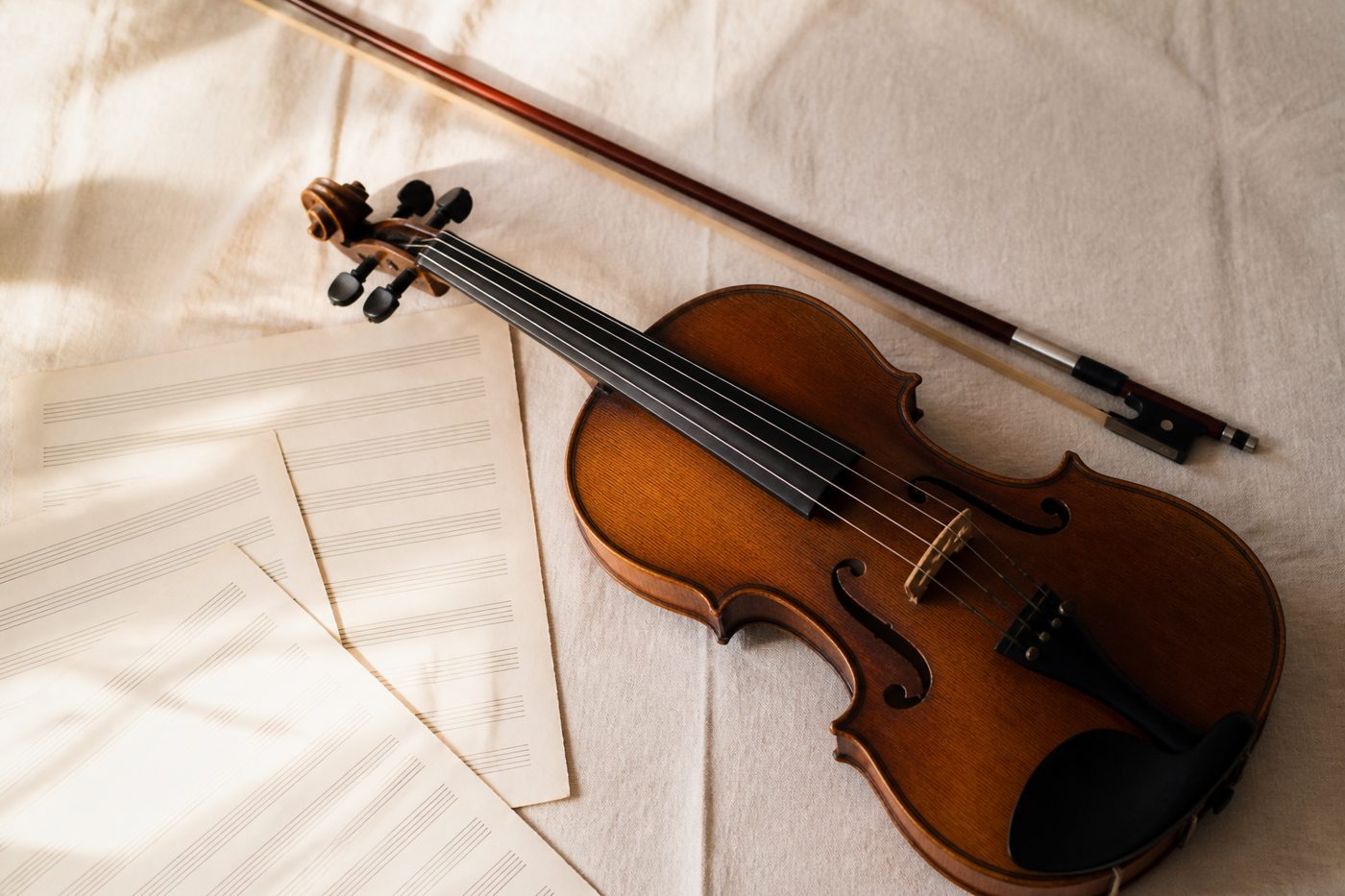
Musical instruments occupy a unique place in the appraisal world: they are functional tools, collectible objects, and sometimes works of craftsmanship all at once. This category covers everything from electric and acoustic guitars to violins and other orchestral strings, brass and woodwinds like saxophones and trumpets, vintage tube amplifiers, and larger pieces such as upright and grand pianos.
Why people get instruments appraised
Owners seek appraisals for many reasons. An inherited violin in the attic may carry family stories of great value — or may be one of countless student instruments with a similar-looking label. A guitar bought decades ago might now sit in a collectible era. Others need a value for insurance coverage, to divide an estate fairly, or simply to decide whether an instrument is worth restoring before selling.
What an AI estimate can and cannot tell you
Appraiser.ai provides an instant, AI-powered estimate from your photos, which can help you identify the general type of instrument, spot visible features that tend to matter (maker markings, hardware, finish, apparent condition), and understand a plausible value range as a starting point. What photos alone cannot reveal is just as important: playability, internal repairs, neck or soundboard condition, originality of parts, and authenticity of labels all require hands-on inspection. Instrument labels in particular are frequently copies or tributes, which only an expert can distinguish.
Treat an AI estimate as an informed first step, not an official valuation. For insurance, estate settlement, or a significant sale decision, always have the instrument examined by a qualified professional appraiser.