AI Appraisal Estimate

AI-generated estimates · not official valuations

From the user

What was submitted

Photo and notes provided by the user — not generated by AI

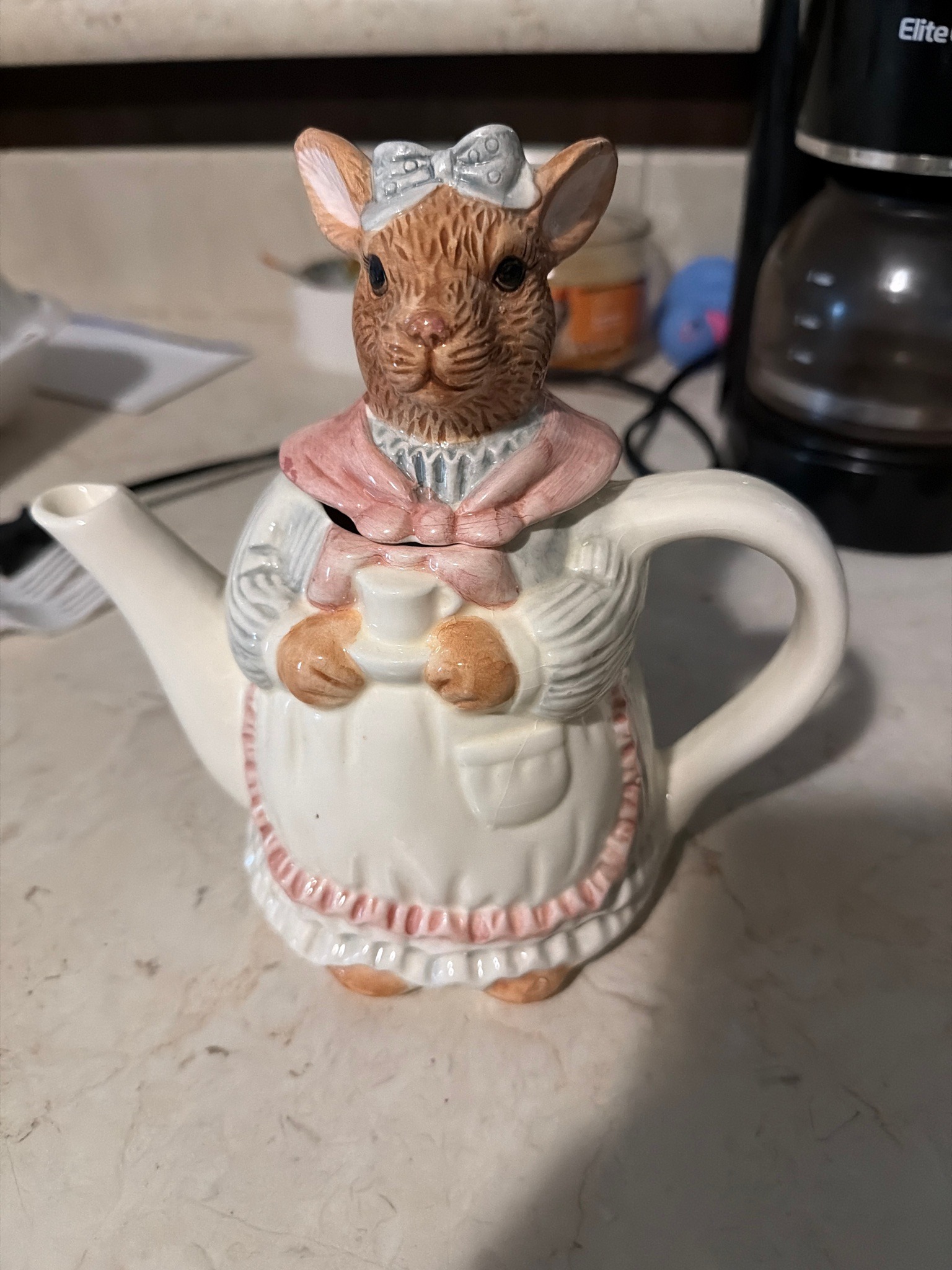
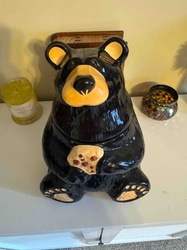
Submitted item photo
Submitted photo · June 17, 2026

User's notes

No additional notes provided.

AI analysis below

AI appraisal

AI analysis & estimate

AI-Generated · Verify before acting

Everything below is generated by AI for informational purposes only. AI can make mistakes — the AI may misidentify items or misattribute them (artist, maker, brand, designer, origin, era). This is not an official valuation and should not be used for insurance, sale, tax, estate, legal, or lending purposes — or any decision requiring a certified appraisal. It is not an authoritative claim about any person, brand, or rights holder — do not share or rely on it as a factual statement about a third party. Always consult qualified professionals before making financial decisions.

Read the full disclaimer

AI Identification

·Not independently authenticated·Verify before acting

Anthropomorphic Rabbit Novelty Ceramic Teapot

Collectible Ceramics / Kitchenware

AI Estimated Value

·Not an official valuation·Verify before acting

$45.00 - $65.00

As of June 17, 2026

AI Item Analysis

·AI can make mistakes·Verify before acting
This is a whimsical, novelty ceramic teapot designed as an anthropomorphic rabbit character standing upright. The piece is constructed of slip-cast ceramic with a glossy overglaze finish. The rabbit 'mother' or 'maid' character is depicted wearing a cottage-style ensemble featuring a white ruffled apron with pink trim, a blue and white striped blouse, and a soft pink shawl tied in a bow at the neck. Notably, the rabbit is holding a miniature teacup and saucer in its paws, adding a meta-theatrical element to the design. The head of the rabbit functions as the teapot lid, featuring a textured brown 'fur' finish, upright ears, and a small white mobcap or bow. The creature's body serves as the main vessel, with a simple curved handle on its back and a spout emerging from its side. The style is highly reminiscent of mid-to-late 20th-century decorative ceramics, specifically those produced by companies like Fitz and Floyd or Otagiri, which specialized in such figurative kitchenware. The craftsmanship shows careful attention to molded details, such as the ridges in the fur and the ruffles of the apron. The condition appears fair to good with no immediate major cracks visible; however, there is a noticeable misalignment of the lid (head) against the body, and some slight glaze thinning or minor wear may be present on the protruding edges like the nose and ears. The base shows typical unglazed footing where the item rested in the kiln.
AI Appraisal Report

·AI can make mistakes·Verify before acting
I have examined the provided images of this anthropomorphic rabbit ceramic teapot. Stylistically, the piece is consistent with mid-to-late 20th-century novelty kitchenware, likely manufactured in Japan or Taiwan for the giftware market, such as Fitz and Floyd or Otagiri. The mold work is of standard commercial quality, featuring charming details like the miniature teacup accessory and textured fur. Upon closer inspection, the condition appears fair. While no structural chips are evident, the lid alignment is poor, sitting unevenly on the shoulders, which indicates either a manufacturing flaw or slight warping during the firing process. Additionally, slight glaze thinning on the high points suggests heavy handling or use. The market for whimsical ceramic teapots remains steady among niche collectors of 'cottagecore' aesthetics and figurative ceramics, though values are currently constrained by high supply for non-signed or mass-produced items. Comparables for unsigned kitsch rabbit teapots typically hammer between $30 and $75 depending on condition. The lack of a visible maker's mark on the base slightly limits its premium potential. It is important to note that this appraisal is based on visual examination alone. Authenticity as a specific brand can only be verified through a physical search for backstamps or original foil labels. An in-person inspection would also be required to check for 'crazing' (fine cracks in the glaze) and professionally repaired chips which may be hidden by the glossy finish. No scientific testing is required, but provenance regarding the original manufacturer would solidify the upper end of the valuation range.

Get your items appraised

Instant estimates of your treasures with AI-powered appraisals

Browse More Appraisals