AI identification & appraisal estimate

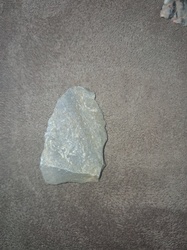
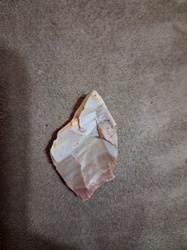
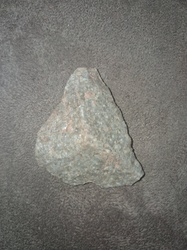
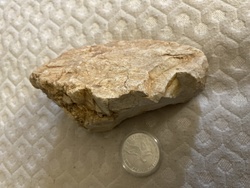
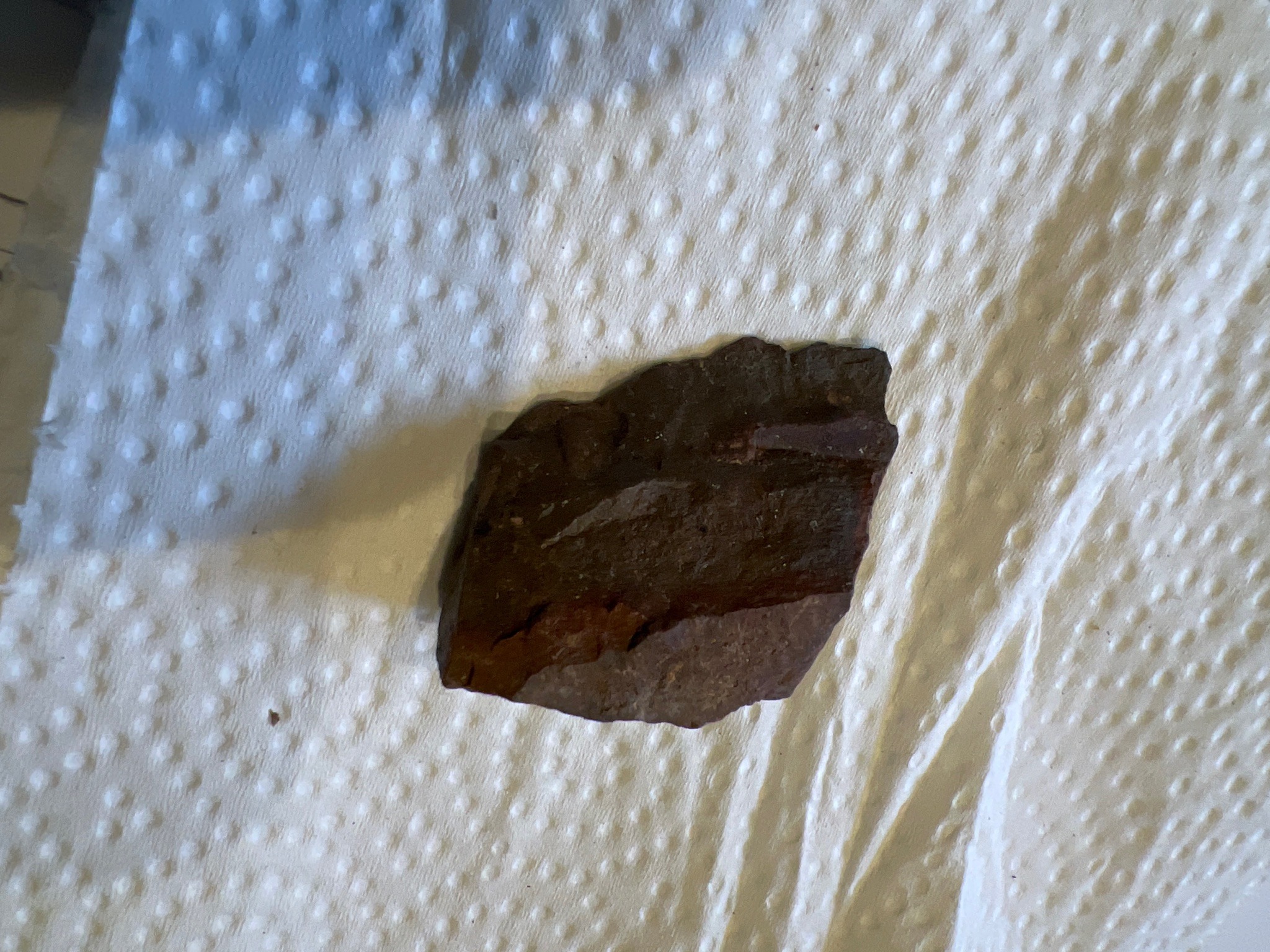
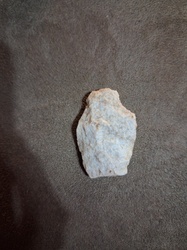
Knapped stone tool fragment

Submitted photo of Knapped stone tool fragment
Photo submitted by the user — not generated by AI

AI Estimated Value

Not an official valuation

$50-$150

AI estimate as of November 23, 2026 · verify with a professional before acting

AI-Generated · Verify before acting

Everything on this page is generated by AI for informational purposes only. AI can make mistakes — the AI may misidentify items or misattribute them (artist, maker, brand, designer, origin, era). This is not an official valuation and should not be used for insurance, sale, tax, estate, legal, or lending purposes — or any decision requiring a certified appraisal. It is not an authoritative claim about any person, brand, or rights holder — do not share or rely on it as a factual statement about a third party. Always consult qualified professionals before making financial decisions.

Read the full disclaimer

AI Item Analysis

This object is a dark brown, irregularly shaped stone fragment displaying physical characteristics consistent with ancient lithic reduction or flaking techniques. Resting upon a textured white paper towel, the piece measures only a few centimeters across, though its exact scale cannot be determined definitively from the photograph alone. The stone exhibits a flat, somewhat elongated profile with subtly worked or chipped edges along its perimeters, suggesting percussion or pressure flaking typically associated with prehistoric stone tools or debitage. The surface texture appears matte, dark brown with minor reddish or earthy undertones, and shows natural weathering alongside possible human-induced flake scars. There are no visible maker's marks, stamps, or labels present on or near the item, and the identification is based entirely on the visual morphology resembling a lithic artifact such as a broken projectile point or flake tool. Due to the lack of context, controlled archaeological provenance, and physical handling, the item remains entirely unauthenticated, and its status as a purposeful artifact rather than a naturally fractured rock is unverified. The style and material resemble regional lithic finds, but precise dating or cultural association cannot be established from visual inspection alone.
AI Appraisal Report

Based on what I can see in the photograph, this dark brown stone fragment displays physical morphology and flaking patterns that resemble an ancient lithic artifact, such as a broken projectile point or flake tool. However, I cannot verify from a photo whether the object is a purposeful prehistoric artifact or a naturally fractured rock, as visual inspection alone cannot rule out geofacts or modern replicas. The surface appears matte with minor earthy undertones, but precise physical handling and a microscope-level examination would be needed to inspect the percussion bulbs and micro-wear traces. Assuming the hypothesis that this functions as a genuine prehistoric lithic tool, comparable surface-find lithic debitage or broken fragments generally trade in a modest price range among collectors due to the lack of controlled archaeological context. General market demand for unprovenanced surface finds is relatively low, as serious collectors prioritize pieces with documented archaeological provenance. If this item were to turn out to be a modern replica, reproduction, or a natural stone, its market value would drop to nominal or zero as a decorative curiosity. To move beyond this working assumption and establish a more reliable valuation, physical inspection by a qualified lithic specialist, detailed provenance documentation, and potential traceological use-wear analysis would be necessary.

Keep exploring

More archaeological artifacts appraisals

Get your items appraised

Instant AI-powered appraisal estimates from a photo

Browse More Appraisals