AI identification & appraisal estimate

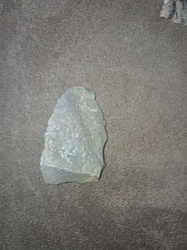
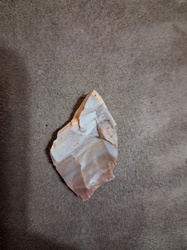
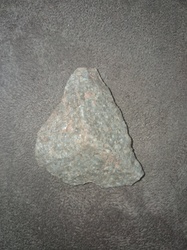
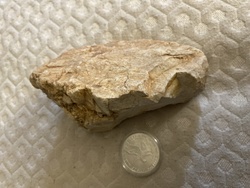
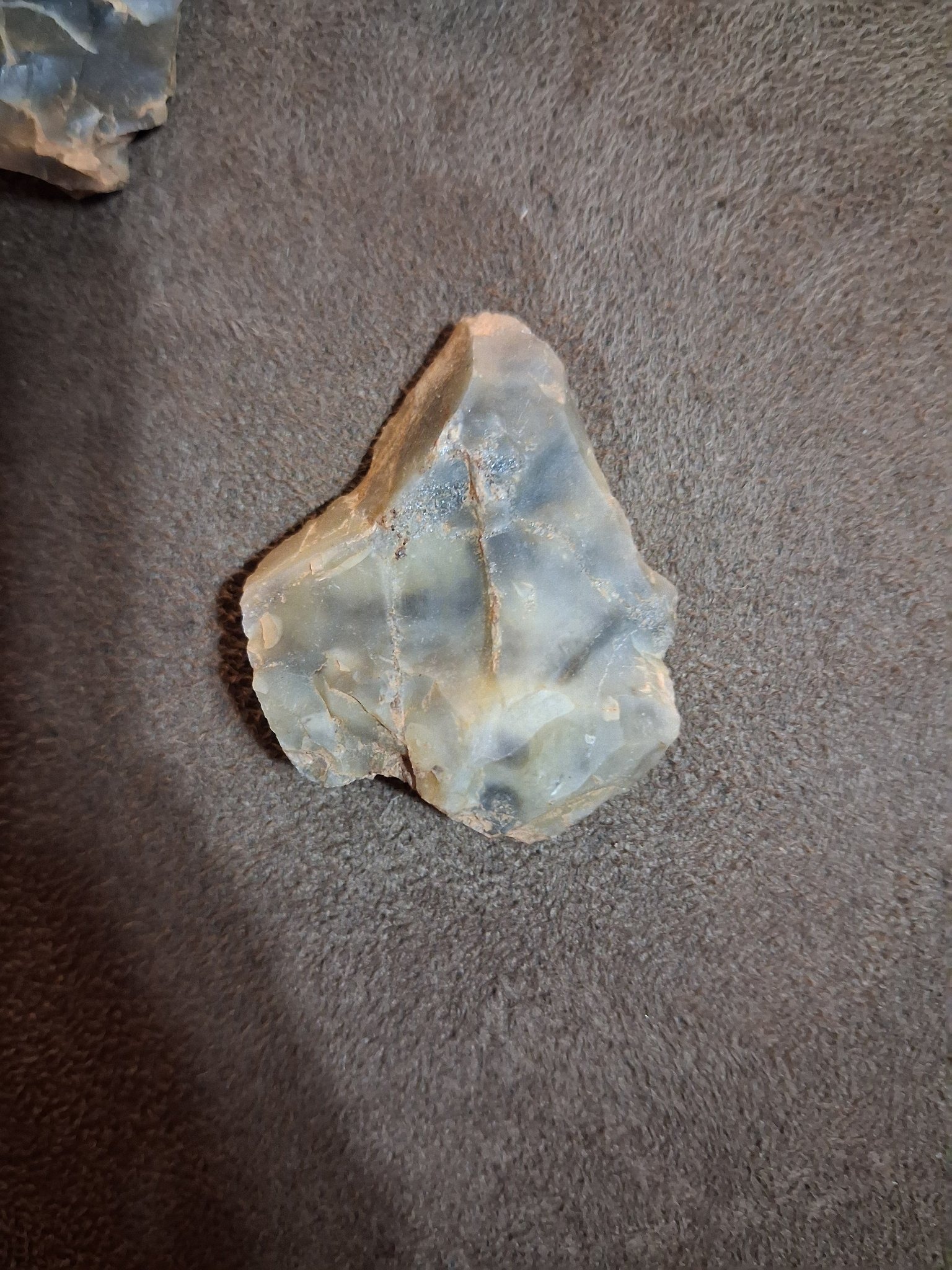
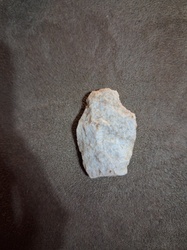
Flaked stone artifact (unauthenticated)

Submitted photo of Flaked stone artifact (unauthenticated)
Photo submitted by the user — not generated by AI

AI Estimated Value

Not an official valuation

$100-$300

AI estimate as of September 20, 2026 · verify with a professional before acting

AI-Generated · Verify before acting

Everything on this page is generated by AI for informational purposes only. AI can make mistakes — the AI may misidentify items or misattribute them (artist, maker, brand, designer, origin, era). This is not an official valuation and should not be used for insurance, sale, tax, estate, legal, or lending purposes — or any decision requiring a certified appraisal. It is not an authoritative claim about any person, brand, or rights holder — do not share or rely on it as a factual statement about a third party. Always consult qualified professionals before making financial decisions.

Read the full disclaimer

AI Item Analysis

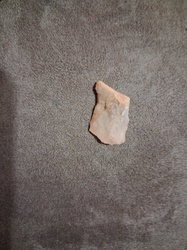
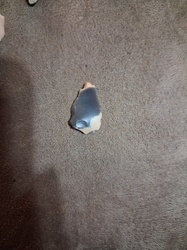
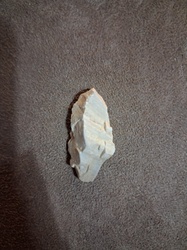
This object is a roughly triangular, chipped and flaked stone specimen resting on a textured dark fabric surface. The material appears to be a form of cryptocrystalline silicate, such as chert, flint, or jasper, exhibiting a variegated color palette of cool grays, blue-gray tones, and warm beige to tan earthy hues along the edges and cortex. The item displays conchoidal fracture patterns with visible percussion scars and ridges along its surfaces, which are characteristic features of lithic reduction techniques commonly associated with the creation of prehistoric stone tools, such as bifaces, projectile points, or scrapers. The piece shows signs of weathering and patination consistent with age and exposure, including subtle surface dullness and minor earthen residue nestled within the micro-crevices of the flake scars. There are no visible maker's marks, stamps, or modern inscriptions present on the visible surface. The identification as an artifact rests purely upon the visual presence of intentional flaking patterns and conchoidal fractures, but because it lacks formal provenance, physical tactile analysis, and professional archaeological context, the item remains unauthenticated and could alternatively represent geological debitage or naturally fractured stone.
AI Appraisal Report

Based on what I can see in the photograph, this object is a roughly triangular, chipped and flaked stone specimen exhibiting characteristics consistent with prehistoric lithic reduction, such as conchoidal fracture patterns, percussion scars, and a variegated cryptocrystalline silicate material. However, I cannot verify from a photo alone whether this is an intentional human-made artifact or the result of natural geological fracturing, nor can I determine its precise cultural or geographic provenance. Based on the assumption that this is a genuine prehistoric stone tool of this type, it would typically trade in the $100 to $300 range within the current antiquities and mineral specimen market, where demand is largely driven by hobbyist collectors. If physical inspection reveals the piece to be modern debitage, natural geofacts, or an unprovenanced replica, the value would decrease significantly, likely dropping to nominal mineral specimen value or under $50. To move beyond a working hypothesis, physical inspection by a qualified archaeologist or lithic analyst is needed, alongside provenance documentation and potentially traceological use-wear analysis.

Keep exploring

More archaeological artifacts appraisals

Get your items appraised

Instant AI-powered appraisal estimates from a photo

Browse More Appraisals