AI estimate as of October 21, 2025 · verify with a professional before acting
AI-Generated · Verify before acting
Everything on this page is generated by AI for informational purposes only. AI can make mistakes — the AI may misidentify items or misattribute them (artist, maker, brand, designer, origin, era). This is not an official valuation and should not be used for insurance, sale, tax, estate, legal, or lending purposes — or any decision requiring a certified appraisal. It is not an authoritative claim about any person, brand, or rights holder — do not share or rely on it as a factual statement about a third party. Always consult qualified professionals before making financial decisions.
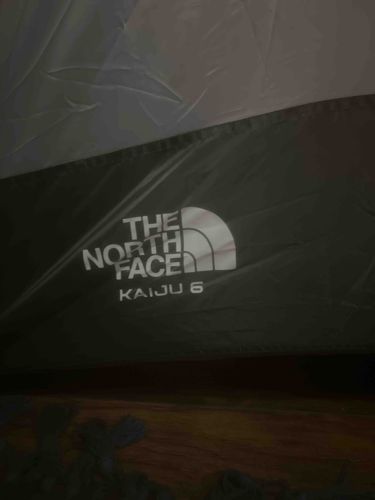
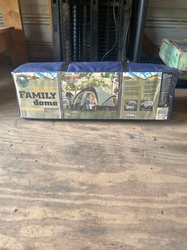
This is a close-up image of a camping tent, specifically identified as 'The North Face Kaiju 6'. The visible portion of the tent fabric is a dual-tone design, featuring a darker, likely olive green or charcoal gray section at the bottom and a lighter, perhaps off-white or light gray section above it. The fabric appears to be a durable synthetic material, consistent with outdoor equipment designed for weather resistance. The brand logo, 'THE NORTH FACE', is prominently displayed in white, stylized uppercase lettering, with the iconic three-arch emblem positioned to the right of the text. Below the main brand name, the model name 'KAIJU 6' is printed in a smaller, sans-serif font, also in white. The fabric shows minor creasing, suggesting it may have been recently set up or folded, but no significant wear, tears, or damage are immediately apparent from the image. The stitching connecting the two fabric sections appears to be a robust, double-stitched seam, indicating quality construction for outdoor use. The overall condition looks good, with no obvious signs of severe discoloration, fading, or material degradation. The 'Kaiju 6' designation typically refers to a 6-person capacity tent from The North Face, a well-known manufacturer of high-quality outdoor gear. The focus on the branding and model name suggests these are key identifying features for appraisal.
AI Appraisal Report
I have examined the provided image of 'The North Face Kaiju 6' tent. Visually, the tent appears to be in very good condition. The dual-tone fabric, likely olive green/charcoal and off-white/light gray, shows no significant signs of wear, tears, or damage. The 'THE NORTH FACE' logo with the three-arch emblem and the 'KAIJU 6' model name are clearly displayed and appear authentic to the brand, consistent with genuine North Face products. The stitching between the fabric sections looks robust, suggesting good original construction quality.
Market conditions for used, well-maintained family-sized tents from reputable brands like The North Face tend to be strong. While this model may no longer be current production, The North Face's reputation for durability ensures a healthy secondary market. The 'Kaiju 6' was a popular 3-season tent, known for its space and ease of setup. Comparable used 6-person tents from high-quality brands in similar condition typically retail for approximately 50-70% of their original MSRP, depending on age and specific features.
Demand for reliable camping gear remains consistent, and a 6-person tent like this caters to families or groups, which is a broad market segment. Rarity is not a significant factor here; while the model is discontinued, it was widely produced. The primary factors impacting value are the excellent visual condition, the strong brand recognition, and the tent's functional capacity.
My appraisal value reflects the tent's visible condition and market comparables for similar used, quality tents. However, it is crucial to note that this appraisal is based solely on visual evidence from a single close-up image. I cannot definitively verify authenticity without a physical inspection, which would allow me to check material texture, internal tags, zippers, poles (not visible), and overall structural integrity. Full authentication would ideally require examination of all components, confirmation of water-repellency treatments, and potentially provenance documentation if there were concerns beyond general wear.