AI identification & appraisal estimate

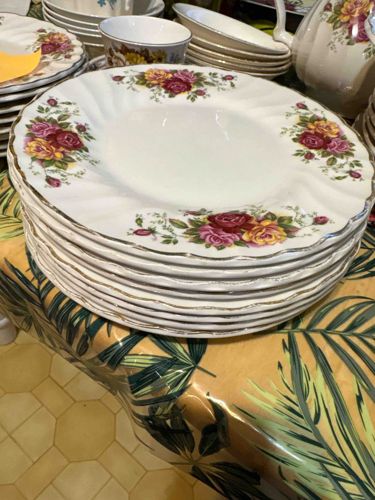
Royal Albert Old Country Roses Fine Bone China Plates

This name is the AI's identification of the item — it may be incorrect.

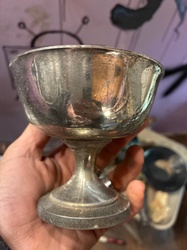
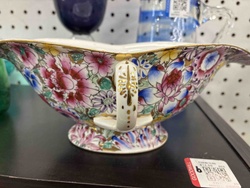
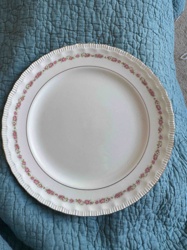
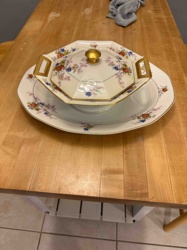
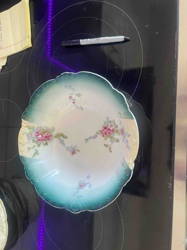
Submitted photo of Royal Albert Old Country Roses Fine Bone China Plates
Photo submitted by the user — not generated by AI

User's notes

Hampshire

These notes were written by the person who submitted this item. Appraiser.AI has not verified them, and the AI's identification and estimate may rely on them.

AI Estimated Value

Not an official valuation

$150 - $225

AI estimate as of January 27, 2026 · verify with a professional before acting

AI-Generated · Verify before acting

Everything on this page is generated by AI for informational purposes only. AI can make mistakes — the AI may misidentify items or misattribute them (artist, maker, brand, designer, origin, era). This is not an official valuation and should not be used for insurance, sale, tax, estate, legal, or lending purposes — or any decision requiring a certified appraisal. It is not an authoritative claim about any person, brand, or rights holder — do not share or rely on it as a factual statement about a third party. Always consult qualified professionals before making financial decisions.

This analysis also relies on unverified notes provided by the user, which may be incomplete or inaccurate and could affect the result.

Read the full disclaimer

AI Item Analysis

This is a stack of fine bone china dinner plates featuring the iconic 'Old Country Roses' pattern by Royal Albert. The design is characterized by its signature clusters of deep red, tea, and pink roses, accented with lush green foliage. The plates exhibit a distinctively scalloped rim, known as the 'Montrose' shape, which features a fluted, swirled texture on the wide border. Each plate is meticulously finished with a hand-applied 22-carat gold stippled trim along the edge, which is a hallmark of this specific pattern. The base material is a translucent white fine bone china, known for its durability and light weight. While the exact manufacturer's backstamp is not visible in this angle, the 'Old Country Roses' pattern was first introduced in 1962 and remains one of the most recognizable and best-selling china patterns globally. The condition of the plates appears good, with the gold trim still showing high luster, though closer inspection for minor surface utensil marks or 'crazing' in the glaze would be necessary for a full appraisal. The vibrant coloration suggests these are well-maintained pieces, likely produced in England before the company moved much of its production overseas in the early 2000s. The craftsmanship is evident in the precision of the lithograph transfer prints and the delicate scalloping of the ceramic body.
AI Appraisal Report

I have performed a visual examination of the stack of Royal Albert 'Old Country Roses' dinner plates. The pattern, first designed by Harold Holdcroft in 1962, is arguably the most successful bone china pattern in history. The specimens presented show the classic Montrose-style scalloped rim and characteristic 22-carat gold stippling. Based on the vibrant color saturation and the density of the transfer prints, these appear to be earlier English-manufactured pieces rather than the later Indonesian or Thai productions, which often lack the same depth of pigment. The gold trim displays excellent luster with minimal visible rubbing. In the current secondary market, individual dinner plates realistically trade between $25 and $40 per unit depending on the specific backstamp (e.g., 'Original 1962' marks carry a premium). While global demand for formal china has softened, 'Old Country Roses' maintains a dedicated collector base due to its iconic status. The primary factors impacting value here are set size and condition; any presence of utensil marks or hairline cracks would significantly reduce the valuation. Please note that this appraisal is based on photographic evidence. A definitive authentication requires physical inspection of the backstamps to confirm the production era and a 'ring test' to check for internal structural cracks. To fully verify provenance and age, I would need to examine the specific Royal Albert mark on the underside of each plate, as subtle variations in the crown logo or text provide specific dating evidence that cannot be determined from this angle.

Keep exploring

More antique and vintage tableware appraisals

Get your items appraised

Instant AI-powered appraisal estimates from a photo

Browse More Appraisals