AI Appraisal Estimate

AI-generated estimates · not official valuations

From the user

What was submitted

Photo and notes provided by the user — not generated by AI

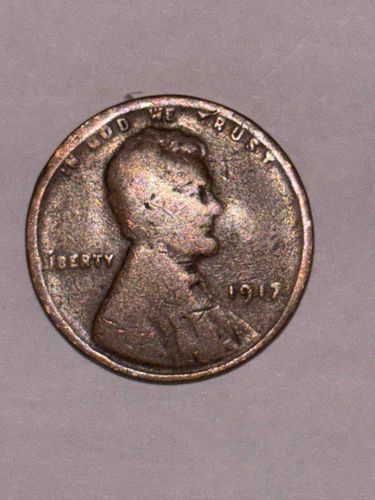
Submitted item photo
Submitted photo · June 10, 2026

User's notes

1917 penny

AI analysis below

AI appraisal

AI analysis & estimate

AI-Generated · Verify before acting

Everything below is generated by AI for informational purposes only. AI can make mistakes — the AI may misidentify items or misattribute them (artist, maker, brand, designer, origin, era). This is not an official valuation and should not be used for insurance, sale, tax, estate, legal, or lending purposes — or any decision requiring a certified appraisal. It is not an authoritative claim about any person, brand, or rights holder — do not share or rely on it as a factual statement about a third party. Always consult qualified professionals before making financial decisions.

Note

This analysis also relies on unverified notes provided by the user, which may be incomplete or inaccurate and could affect the result.

Read the full disclaimer

AI Identification

·Not independently authenticated·Verify before acting

1917 Lincoln Wheat Cent Penny (Obverse)

Coin

AI Estimated Value

·Not an official valuation·Verify before acting

$0.20- $0.50

As of June 10, 2026

AI Item Analysis

·AI can make mistakes·Verify before acting
This is a United States Lincoln Wheat Cent, specifically the obverse side, dated 1917. The coin is made of bronze, typical for pennies of this era, and exhibits a dark brown patina consistent with its age and environmental exposure. The overall condition appears to be 'Good' (G) to 'Very Good' (VG), indicating significant wear. Key elements such as Lincoln's bust and the mottoes are discernible but lack crisp detail. The raised portrait of Abraham Lincoln is visible in profile, facing right, though his facial features and hair show considerable flattening from circulation. The inscription "IN GOD WE TRUST" is partially visible along the top rim, with some letters less distinct than others. The word "LIBERTY" is still legible to the left of Lincoln's effigy, though also softened. The date "1917" is clearly visible to the right of Lincoln, indicating its production year. There are no obvious mint marks discernible in the image, suggesting it may be from the Philadelphia Mint, which did not typically use a mint mark during this period. The rim around the coin shows some wear and minor irregularities but is largely intact. No significant dents, scratches, or corrosion spots are immediately apparent beyond general circulation wear and toning. The quality of striking is typical for the period, but the present condition is more indicative of its prolonged use rather than a pristine strike. It represents a common variety for the Lincoln Cent series and its appeal lies primarily in its historical significance and place within a complete collection of Wheat Cents.

AI Appraisal Report

·AI can make mistakes·Verify before acting
I have examined the provided image of the 1917 Lincoln Wheat Cent (Obverse) and assessed its condition and potential value. Based on the visual evidence and the owner's description, this coin exhibits characteristics consistent with a 'Good' (G) to 'Very Good' (VG) grade. The significant wear on Lincoln's bust, the partially visible motto "IN GOD WE TRUST," and the softened "LIBERTY" all point to considerable circulation. The date "1917" is clear, and the absence of a mint mark suggests it's a Philadelphia strike, which is common for this year. The market for common date Lincoln Wheat Cents in G-VG condition is robust, but the individual value per coin is generally modest. The 1917 P (Philadelphia) is not a rare date; millions were minted. Therefore, demand for individual common-date cents in lower grades is primarily from novice collectors or for filling basic sets. This coin lacks any distinguishing features like significant die errors or exceptional strike quality that would elevate its value beyond its common circulated state. Factors impacting its value negatively are the extensive wear and utilitarian appearance. There are no obvious signs of counterfeiting from the image, and its age and bronze composition are typical. My appraisal is limited by the fact that I am examining an image and not the physical coin. A full authentication would ideally involve in-hand inspection to verify the coin's weight, diameter, and exact composition, as well as to detect any subtle surface alterations or damage not visible in the photograph. This physical examination would confirm the authenticity beyond any doubt and allow for a more precise grading.

Get your items appraised

Instant estimates of your treasures with AI-powered appraisals

Browse More Appraisals