AI identification & appraisal estimate

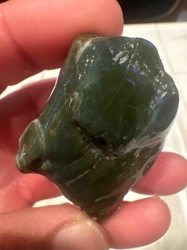
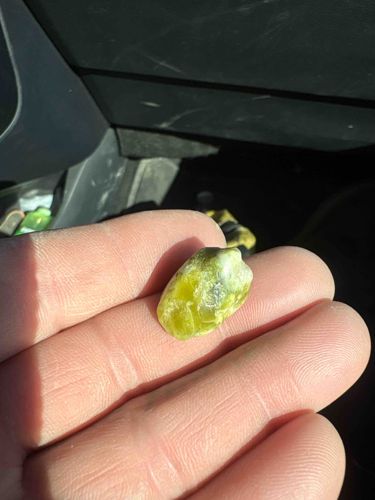
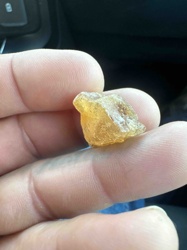
Rough Yellow-Green Vesuvianite (Idocrase) Specimen

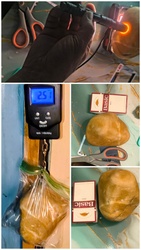
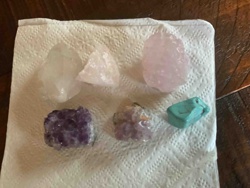
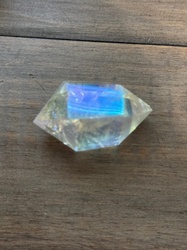
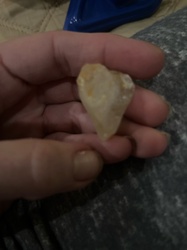
Submitted photo of Rough Yellow-Green Vesuvianite (Idocrase) Specimen
Photo submitted by the user — not generated by AI

AI Estimated Value

Not an official valuation

$15.00-$25.00

AI estimate as of February 5, 2026 · verify with a professional before acting

AI-Generated · Verify before acting

Everything on this page is generated by AI for informational purposes only. AI can make mistakes — the AI may misidentify items or misattribute them (artist, maker, brand, designer, origin, era). This is not an official valuation and should not be used for insurance, sale, tax, estate, legal, or lending purposes — or any decision requiring a certified appraisal. It is not an authoritative claim about any person, brand, or rights holder — do not share or rely on it as a factual statement about a third party. Always consult qualified professionals before making financial decisions.

Read the full disclaimer

AI Item Analysis

This item is a small, irregular specimen of a mineral, likely Vesuvianite, also known as Idocrase. Measuring approximately 1 to 1.5 centimeters in length, the stone exhibits a vibrant yellowish-green hue, characteristic of magnesium and iron-rich silicate minerals. The physical construction is naturally crystalline but appears somewhat water-worn or tumbled, resulting in a waxy to vitreous luster on its outer surface. The color varies from a translucent lemon yellow to a deeper olive green, with internal fractures and inclusions visible. These inclusions and the specimen's translucent nature are key quality indicators, suggesting it is a semi-precious gemstone material rather than common rock. There are no man-made markings, signatures, or stamps, as the item is a raw geological sample. The condition shows natural pitting and micro-fractures, typical for a raw specimen found in the field. This material is often associated with skarn deposits and metamorphic rocks. The craftsmanship is entirely organic, dictated by geological forces over millions of years, making it a unique natural artifact suitable for mineral collecting or lapidary use.
AI Appraisal Report

I have conducted a visual examination of this rough yellow-green Idocrase (Vesuvianite) specimen. The material displays a characteristic greasy to vitreous luster and a color profile consistent with samples originating from renowned sites like the Jeffrey Mine in Quebec or Italian Alpine regions. The 1 to 1.5 cm sizing places this in the 'thumbnail' category for mineral collectors. The specimen shows natural micro-fractures and a somewhat water-worn exterior which, while common, limits its use for high-end faceting but maintains its appeal as a reference sample or lapidary rough. The current market for small, rough Vesuvianite is stable but modest. Comparables for individual unmounted pieces of this size and translucency typically sell in the $10 to $30 range at gem and mineral shows. The demand is driven primarily by specialized mineral collectors and those interested in metaphysical stones rather than the mainstream jewelry market. The value is capped by its small size and lack of distinct crystal habit (euhedral form). Limitations: This appraisal is based solely on digital imagery. While the visual indicators—color, fracture pattern, and luster—are consistent with Idocrase, definitive authentication requires refractive index (RI) testing and specific gravity measurements to distinguish it from similar-looking minerals like Grossular Garnet or Epidote. A physical inspection would also determine if the surface texture is truly natural or the result of mechanical tumbling. Documentation of the specific locality (provenance) would be necessary to potentially increase the value to the higher end of the estimate.

Keep exploring

More minerals and gemstones appraisals

Get your items appraised

Instant AI-powered appraisal estimates from a photo

Browse More Appraisals