AI identification & appraisal estimate

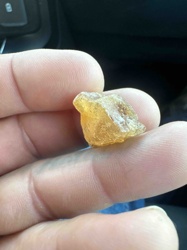
Banded Chalcedony Nodule

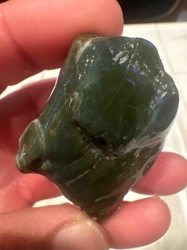
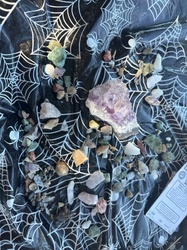
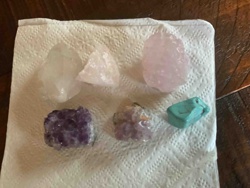
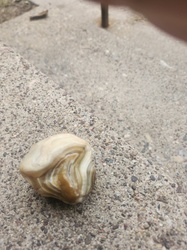
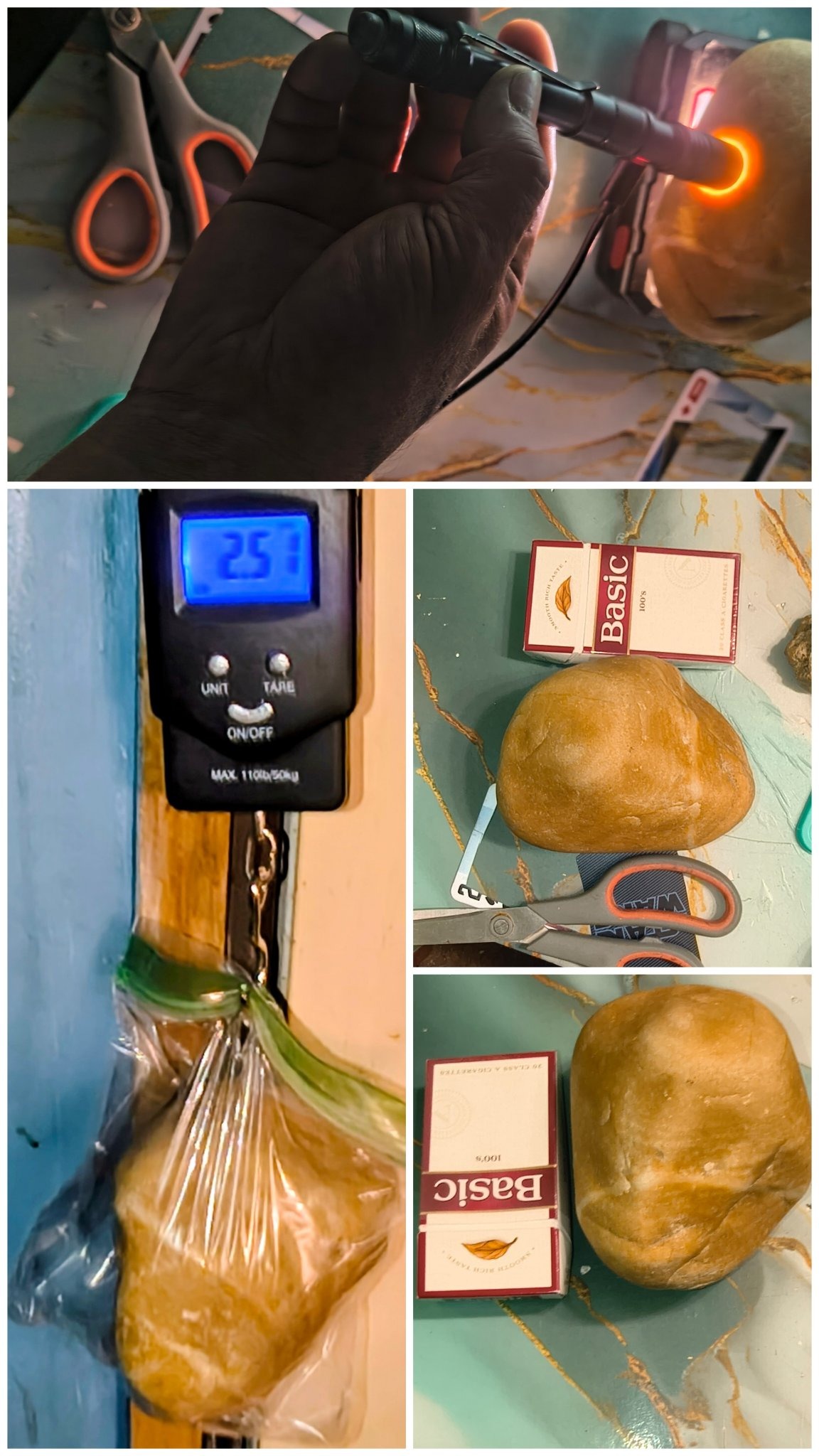
Submitted photo of Banded Chalcedony Nodule
Photo submitted by the user — not generated by AI

User's notes

Category: Jewelry chalcedony nodule with quartz/silica veining a banded agate/chalcedony mix. The white bands are secondary silica deposits (often macrocrystalline quartz or pure milky chalcedony) that filled fractures in the host rock as it formed or cooled the white bands follow the rounded contours of the stone in concentric or parallel layers, this is structurally a banded agate. no fractures water worn not tumbled no impact spots Weight: 2.51 Dimensions: 4x4 inches 4 inches thick Condition: no fractures or impact blows

These notes were written by the person who submitted this item. Appraiser.AI has not verified them, and the AI's identification and estimate may rely on them.

AI Estimated Value

Not an official valuation

$30 - $50

AI estimate as of September 1, 2026 · verify with a professional before acting

AI-Generated · Verify before acting

Everything on this page is generated by AI for informational purposes only. AI can make mistakes — the AI may misidentify items or misattribute them (artist, maker, brand, designer, origin, era). This is not an official valuation and should not be used for insurance, sale, tax, estate, legal, or lending purposes — or any decision requiring a certified appraisal. It is not an authoritative claim about any person, brand, or rights holder — do not share or rely on it as a factual statement about a third party. Always consult qualified professionals before making financial decisions.

This analysis also relies on unverified notes provided by the user, which may be incomplete or inaccurate and could affect the result.

Read the full disclaimer

AI Item Analysis

The item presented in the photographs is a large, natural stone specimen characterized as a banded chalcedony nodule or agate. The stone displays a warm brownish-yellow to amber translucent outer and surface tone, crossed by lighter white or pale silica veining and concentric banding patterns that follow the rounded contours of the host material. The specimen exhibits a smooth, water-worn exterior surface lacking obvious mechanical tumbling signs, recent impact spots, or structural fractures, indicating a natural weathering process. In one of the composite images, a flashlight is applied to the surface to demonstrate translucency, casting a bright orange glow through the body of the stone. Another panel displays the specimen suspended from a digital scale, registering a weight of approximately 2.51 units (presumably pounds, as noted in the unverified user context), while additional views include a standard cigarette pack for visual scale comparison against the roughly 4-inch dimensions. No maker's marks, signatures, or human alterations are visible. The owner's unverified notes attribute the specimen to a banded agate and chalcedony mix with secondary quartz or silica veining, noting dimensions of roughly 4x4 inches and a weight of 2.51. The specimen is typical of unworked geological mineral specimens, estimated as a natural stone formation of undetermined geological age.
AI Appraisal Report

Based on the provided images, I observe a roughly 4-inch, 2.51-pound natural stone specimen that appears to be a banded chalcedony nodule or agate. From the photographs, I can see a warm brownish-yellow translucent exterior with pale silica veining. The specimen exhibits a smooth, water-worn exterior surface lacking obvious mechanical tumbling signs or structural fractures. However, I cannot assess the internal structure, exact mineral composition, or internal flawlessness from a photo alone. The owner identifies this as a banded agate and chalcedony mix with secondary quartz or silica veining. Treating this attribution as a working hypothesis, unworked lapidary rough of this size and type is relatively common in the geological specimen market. The value estimate is based on typical market behavior for similar rough chalcedony nodules of this weight. General market demand for such items is primarily driven by lapidary artists, rockhound hobbyists, and mineral collectors who value the raw aesthetics and cutting potential of the stone. Since the internal banding and color saturation cannot be fully evaluated without cutting or polishing, the current value reflects its status as an unworked rough specimen. To establish the precise mineralogical makeup and evaluate its full lapidary potential, an in-person examination by a gemologist or mineralogist using standard geological testing equipment would be necessary. If the specimen were determined to be a different, more common host rock with less desirable silica replacement, the value would be on the lower end of the spectrum.

Keep exploring

More minerals and gemstones appraisals

Get your items appraised

Instant AI-powered appraisal estimates from a photo

Browse More Appraisals