AI Appraisal Estimate

AI-generated estimates · not official valuations

From the user

What was submitted

Photo and notes provided by the user — not generated by AI

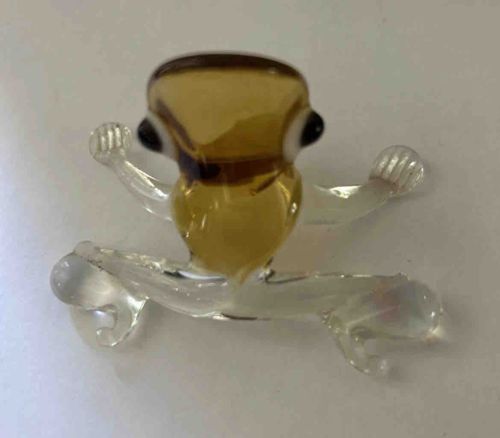
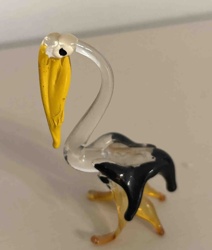
Submitted item photo
Submitted photo · June 22, 2026

User's notes

No additional notes provided.

AI analysis below

AI appraisal

AI analysis & estimate

AI-Generated · Verify before acting

Everything below is generated by AI for informational purposes only. AI can make mistakes — the AI may misidentify items or misattribute them (artist, maker, brand, designer, origin, era). This is not an official valuation and should not be used for insurance, sale, tax, estate, legal, or lending purposes — or any decision requiring a certified appraisal. It is not an authoritative claim about any person, brand, or rights holder — do not share or rely on it as a factual statement about a third party. Always consult qualified professionals before making financial decisions.

Read the full disclaimer

AI Identification

·Not independently authenticated·Verify before acting

Lampwork art glass frog miniature

Art Glass / Collectible Miniatures

AI Estimated Value

·Not an official valuation·Verify before acting

$45.00 - $65.00

As of June 22, 2026

AI Item Analysis

·AI can make mistakes·Verify before acting
This item is a decorative miniature frog figurine, expertly crafted using a lampwork (torch-work) glass technique. The piece features a distinct two-tone color palette, with a translucent amber-yellow torso and head contrasted by clear, colorless glass used for the stylized limbs. The head is characterized by large, applied 'googly' eyes composed of layered white and black glass dots, giving it a whimsical and expressive appearance. The forelegs and hind legs are delicate and elongated, showcasing hand-pulled glass craftsmanship with ribbed or texture-pressed ends representing the webbed feet. Measuring approximately 1 to 2 inches in width, the figurine is constructed from high-quality soda-lime or borosilicate glass. The joints where the clear limbs meet the amber body show smooth heat-fused transitions, typical of skilled bench-work. There are no visible maker's marks, signatures, or etched stamps, which is common for artisanal miniatures of this type. The condition appears excellent with no visible chips, cracks, or surface abrasions, maintaining a vibrant high-gloss finish. Based on the style and construction, this likely dates to the late 20th century (1970s–1990s) and reflects a mid-to-high quality of novelty glass artistry, possibly originating from established glass centers like Murano, Italy, or a boutique American glass studio.
AI Appraisal Report

·AI can make mistakes·Verify before acting
I have virtually examined this lampwork art glass frog miniature. The piece exhibits high technical proficiency in the 'bench-work' style, specifically noted in the seamless heat-fusion between the amber-yellow torso and the four clear extremities. The use of 'googly' eyes—a classic millefiori-adjacent technique—indicates a mid-to-late 20th-century production, likely from the Murano region of Italy or a skilled American studio like those found in the 1980s craft movement. The condition is excellent; the high-gloss finish remains intact without the devitrification or 'sick glass' syndrome sometimes seen in lower-quality soda-lime compositions. The market for unsigned glass miniatures is currently stable but dominated by high supply. Comparables for unsigned, high-quality lampwork frogs typically realize between $30 and $80 at boutique auctions or specialized glass shows. While the craftsmanship is superior to mass-produced import 'gift shop' glass, the lack of a maker’s mark (such as a signature from a known master like Vittorio Costantini or a Murano foil label) prevents this piece from reaching the hundreds or thousands of dollars associated with name-brand glass artistry. Limitations: This appraisal is based strictly on visual inspection of the provided description and imagery. To fully authenticate the origin and glass type (Borosilicate vs. Soft glass), an in-person examination is required to check for 'pontil' scars and UV fluorescence. Provenance documentation, such as original gallery receipts or branded packaging, would be necessary to elevate the valuation by confirming a specific artist’s hand or prestigious studio origin.

Get your items appraised

Instant estimates of your treasures with AI-powered appraisals

Browse More Appraisals