AI identification & appraisal estimate

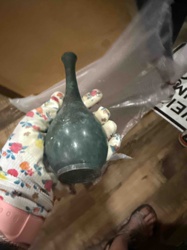
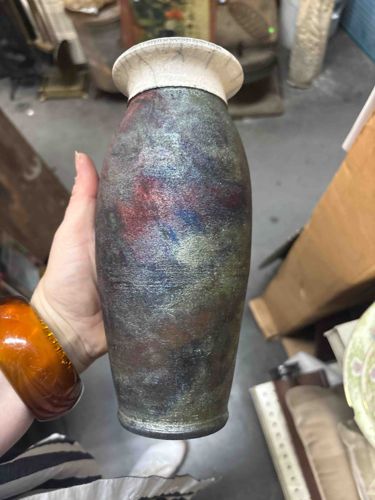
Iridescent Glazed Ceramic Vase

Submitted photo of Iridescent Glazed Ceramic Vase
Photo submitted by the user — not generated by AI

User's notes

Pottery insignia

These notes were written by the person who submitted this item. Appraiser.AI has not verified them, and the AI's identification and estimate may rely on them.

AI Estimated Value

Not an official valuation

$150-250

AI estimate as of September 19, 2025 · verify with a professional before acting

AI-Generated · Verify before acting

Everything on this page is generated by AI for informational purposes only. AI can make mistakes — the AI may misidentify items or misattribute them (artist, maker, brand, designer, origin, era). This is not an official valuation and should not be used for insurance, sale, tax, estate, legal, or lending purposes — or any decision requiring a certified appraisal. It is not an authoritative claim about any person, brand, or rights holder — do not share or rely on it as a factual statement about a third party. Always consult qualified professionals before making financial decisions.

This analysis also relies on unverified notes provided by the user, which may be incomplete or inaccurate and could affect the result.

Read the full disclaimer

AI Item Analysis

This is a cylindrical ceramic vase featuring a distinct iridescent glaze over its body and a contrasting unglazed or matte-finished rim. The main body of the vase exhibits a complex, multi-tonal iridescent finish, appearing to shimmer with various hues including dark blues, purples, reds, greens, and grays, suggesting a metallic or luster glaze technique, possibly Raku or oil-spot glaze. The texture of the glazed body appears somewhat mottled and uneven, contributing to its artistic appeal, and it is largely opaque. The vase has a relatively narrow neck that flares out slightly to a wide, flat rim. This rim is a significantly lighter color, possibly an off-white or cream, and appears to be unglazed or finished with a matte, uncolored slip. There are several fine crackle lines or crazing visible on the surface of the rim, indicating either intentional decorative effect or signs of age/firing imperfections. The bottom of the vase appears to have a slightly raised footring. The form is classic and uncluttered, emphasizing the dramatic glaze work. There are no clear visible maker's marks or signatures from the provided image. The style suggests it could be a piece of studio pottery, likely from the mid-20th century onwards, given the type of glaze. The overall condition appears good, with the crazing on the rim being the most noticeable feature. The craftsmanship seems intentional, aiming for a rustic yet sophisticated aesthetic.
AI Appraisal Report

Upon examination of the provided images, this cylindrical vase presents as a compelling piece of studio pottery, likely dating from the mid-20th century or later. The most striking feature is its dramatic iridescent glaze, which displays a complex interplay of blues, purples, and metallic tones, reminiscent of raku or oil-spot techniques. This glaze contrasts beautifully with the unglazed, matte-finished cream-colored rim, which exhibits fine crazing, likely an intentional part of the finish. The overall form is well-executed, and the vase appears to be in good condition, with no visible chips or major cracks. The absence of a maker's mark or signature significantly impacts the valuation, as it prevents attribution to a known and collected artist or studio. Without a clear provenance, the piece is valued based on its decorative merits and general studio pottery market trends. The market for well-crafted but anonymous studio pottery is active but modest. Comparable unsigned vases with similar sophisticated glaze work typically sell in the $150 to $250 range at auction and in secondary markets. Demand is driven by interior design trends favoring unique, handcrafted items. It is crucial to note the limitations of an appraisal based on images alone. I cannot definitively verify the authenticity of the materials or the age of the piece. A physical, in-person examination would be required to inspect the clay body, the weight, the feel of the glaze, and to search for any faint or hidden maker's marks not visible in photographs. Without such inspection or provenance documentation, this appraisal remains a provisional estimate based on observable characteristics and current market data.

Keep exploring

More vase appraisals

Get your items appraised

Instant AI-powered appraisal estimates from a photo

Browse More Appraisals