AI Appraisal Estimate

AI-generated estimates · not official valuations

From the user

What was submitted

Photo and notes provided by the user — not generated by AI

Submitted item photo
Submitted photo · June 19, 2026

User's notes

No additional notes provided.

AI analysis below

AI appraisal

AI analysis & estimate

AI-Generated · Verify before acting

Everything below is generated by AI for informational purposes only. AI can make mistakes — the AI may misidentify items or misattribute them (artist, maker, brand, designer, origin, era). This is not an official valuation and should not be used for insurance, sale, tax, estate, legal, or lending purposes — or any decision requiring a certified appraisal. It is not an authoritative claim about any person, brand, or rights holder — do not share or rely on it as a factual statement about a third party. Always consult qualified professionals before making financial decisions.

Read the full disclaimer

AI Identification

·Not independently authenticated·Verify before acting

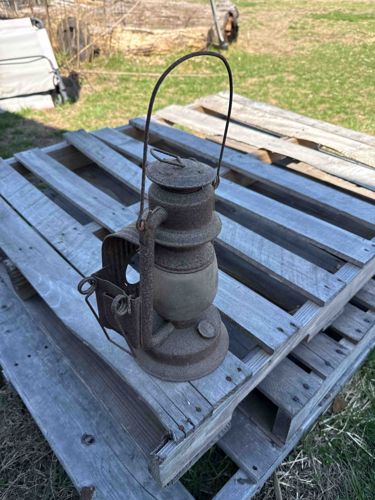
Antique Rusty Hurricane Lantern with Carriage Mounting Bracket

Antiques & Collectibles / Lighting & Oil Lamps

AI Estimated Value

·Not an official valuation·Verify before acting

$45.00 - $75.00

As of June 19, 2026

AI Item Analysis

·AI can make mistakes·Verify before acting
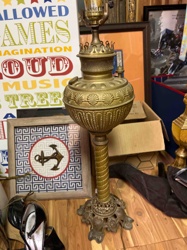
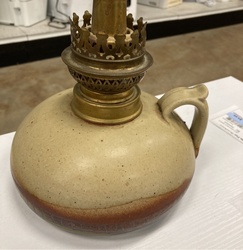
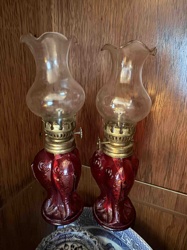
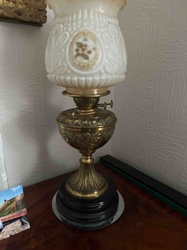
This is a vintage tubular-style oil or kerosene lantern, commonly referred to as a hurricane lantern, likely dating from the early to mid-20th century. The item features a classic design consisting of a wide fount base, a glass chimney globe, and a metal frame with vertical side tubes that circulate air to the burner. A notable feature is the integrated metal mounting bracket attached to the side, which suggests it was intended for use on a vehicle such as a carriage, wagon, or early automotive equipment. The entire structure is composed of steel or tinplate and is topped with a wire bail handle for carrying. The metal surfaces exhibit heavy, uniform oxidation and rust throughout, creating a dark, textured brown patina. The glass globe appears intact but is clouded with dirt and age. While no specific maker's marks are visible due to the surface corrosion, the construction is typical of manufacturers such as Dietz or Embury. The lantern retains its filler cap on the base, although the mechanical integrity of the wick raiser and internal burner assembly cannot be determined without cleaning. The overall condition is weathered, reflecting significant outdoor exposure, which adds to its rustic aesthetic but limits its functional value without extensive restoration.
AI Appraisal Report

·AI can make mistakes·Verify before acting
Based on my examination of the provided visual data, this item is a vintage tubular cold-blast kerosene lantern, likely dating between 1910 and 1940. The presence of the integrated carriage/wagon mounting bracket is a desirable feature for collectors of transportation-related lighting, as it distinguishes the piece from standard handheld utility lanterns. The general construction suggests an American origin, potentially a Dietz or Embury model, though the heavy surface oxidation obscures identifying stamps. The condition is 'as-found' with a uniform rust patina that, while aesthetically popular for 'rustic' interior design, represents significant environmental degradation of the metal. The glass globe appears to be an unbranded replacement or is simply too fouled for identification of marks. The market for common hurricane lanterns is currently saturated, though pieces with mounting hardware command a slight premium. The current valuation reflects the commonality of the design and the lack of high-condition decorative tinning. Factors that would increase value include a confirmed 'clear' globe mark (like the Dietz 'Fit-All') or the presence of original red or green glass. Limitations: Digital examination prevents me from assessing the structural integrity of the fount base for 'pinhole' leaks or verifying if the wick-riser gear is seized. A physical inspection is required to check for internal metal thinning and to locate manufacturer stampings hidden under the rust. Full authentication would require cleaning the fount cap and tube base to reveal potential patent dates or brand signatures, which are currently obscured.

Get your items appraised

Instant estimates of your treasures with AI-powered appraisals

Browse More Appraisals