AI Appraisal Estimate

AI-generated estimates · not official valuations

From the user

What was submitted

Photo and notes provided by the user — not generated by AI

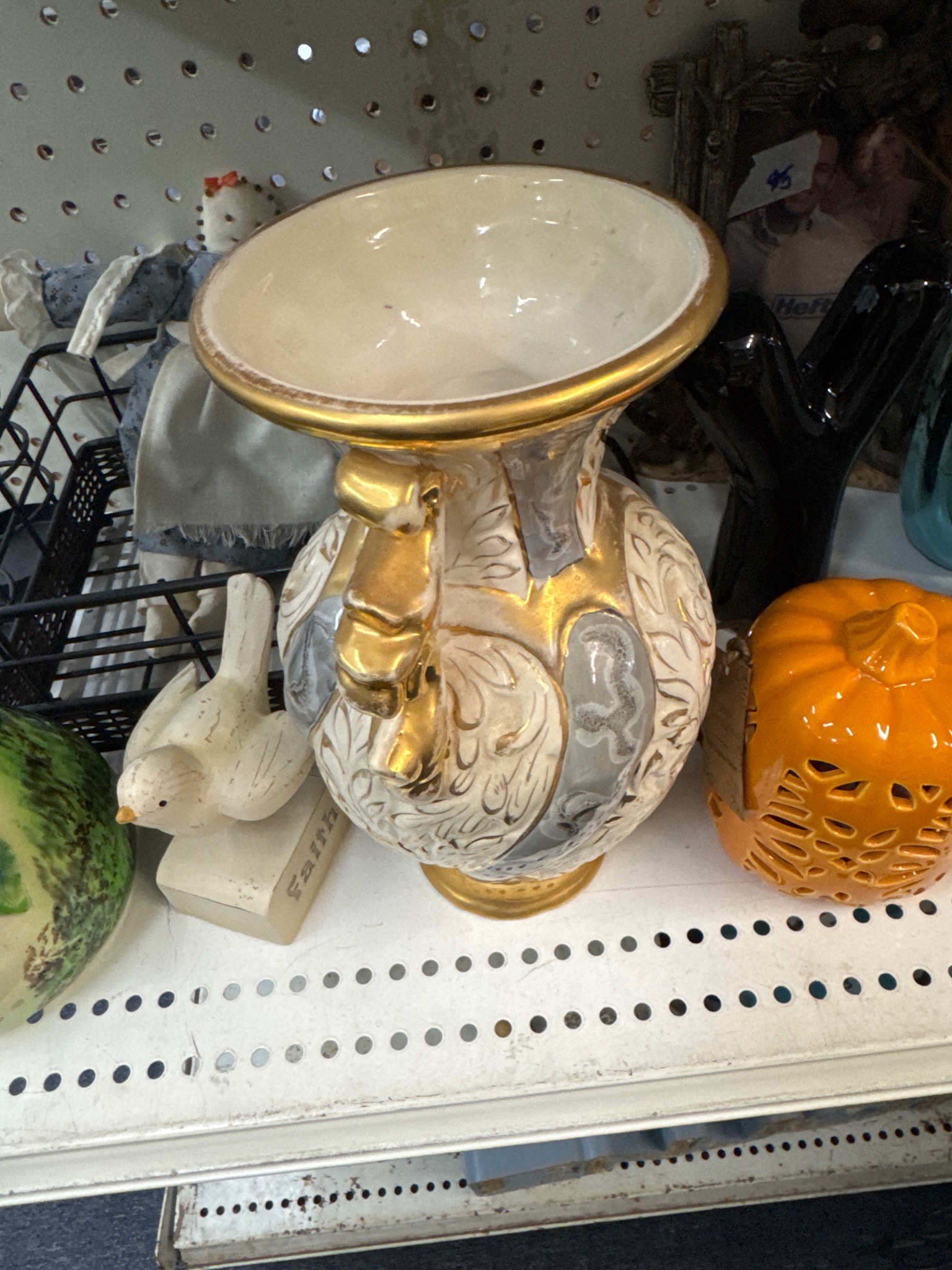
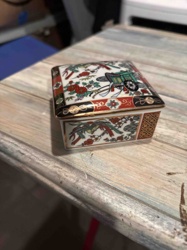
Submitted item photo
Submitted photo · June 10, 2026

User's notes

No additional notes provided.

AI analysis below

AI appraisal

AI analysis & estimate

AI-Generated · Verify before acting

Everything below is generated by AI for informational purposes only. AI can make mistakes — the AI may misidentify items or misattribute them (artist, maker, brand, designer, origin, era). This is not an official valuation and should not be used for insurance, sale, tax, estate, legal, or lending purposes — or any decision requiring a certified appraisal. It is not an authoritative claim about any person, brand, or rights holder — do not share or rely on it as a factual statement about a third party. Always consult qualified professionals before making financial decisions.

Read the full disclaimer

AI Identification

·Not independently authenticated·Verify before acting

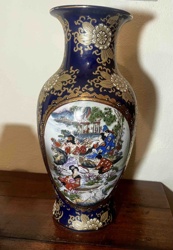
Italian Neoclassical Revival Gilt Ceramic Urn Vase

Antique & Vintage Decorative Arts

AI Estimated Value

·Not an official valuation·Verify before acting

$125 - $225

As of June 10, 2026

AI Item Analysis

·AI can make mistakes·Verify before acting
This is a medium-sized decorative ceramic urn vase, standing approximately 10 to 12 inches tall, characterized by an ornate Italian Neoclassical or Rococo revival style. The piece is constructed from ceramic, likely earthenware, featuring a complex relief-molded surface with scrolling acanthus leaf motifs over a textured, off-white background. It is heavily decorated with 22k gold leaf or bright gold metallic glaze (gilt) accents on the wide flared rim, the pedestal foot, and the prominent scrolled handles. Additionally, the body features grey or silver-toned marbled medallions that appear to be hand-painted or sponge-applied. The construction is typical of mid-20th-century decorative imports, likely from Italy (Capodimonte-style) or perhaps a high-end American boutique like Fitz and Floyd from the 1970s or 80s. The handles are particularly elaborate, utilizing a double-scroll design that adds significant visual weight. Regarding condition, there is notable wear to the gold finish along the upper rim and handles, typical of handling and age. Fine crazing is visible in the glaze across the cream-colored sections, which is a common aging process in ceramic firing. No major chips or cracks are immediately visible from this angle, though the gilding shows some dullness and patina. The interior is glazed in a smooth light cream color to ensure water resistance. The craftsmanship shows mass-produced yet high-quality mold work with hand-finished metallic highlights.
AI Appraisal Report

·AI can make mistakes·Verify before acting
I have examined the digital representations of this Neoclassical Revival gilt ceramic urn. The piece exhibits characteristic traits of mid-to-late 20th-century European decorative ceramics, most likely of Italian origin. The use of heavy acanthus relief, scroll handles, and 22k gold-style gilding suggests a Capodimonte-inspired aesthetic common in boutique imports from the 1960s through the 1980s. Physically, the item shows significant wear to the gilding on high-contact areas like the rim and handles, along with visible glaze crazing throughout the body—factors that diminish the value for 'mint condition' collectors but confirm its vintage status. The marbled medallions appear to be hand-applied, which adds a level of artisanal charm over purely mass-produced transferware. In the current secondary market, demand for larger-scale Italian revival ceramics remains steady for interior design purposes, though saturated. Comparables for similar unbranded Italian ceramic urns typically hammer between $100 and $250 at regional auctions. Factors limiting the value include the lack of a prominent maker’s mark (such as a crowned 'N' or a specific artisan's signature) and the aforementioned finish loss. This appraisal is based strictly on visual inspection of the provided images. A definitive valuation would require an in-person examination to verify the clay body (terracotta vs. porcelain), check for hidden repairs under UV light, and inspect the underside for maker’s marks. Provenance documentation or original purchase receipts from high-end retailers would be necessary to push this into a higher premium category.

Get your items appraised

Instant estimates of your treasures with AI-powered appraisals

Browse More Appraisals