AI Appraisal Estimate

AI-generated estimates · not official valuations

From the user

What was submitted

Photo and notes provided by the user — not generated by AI

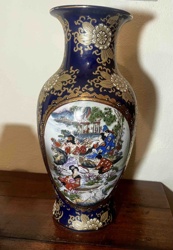
Submitted item photo
Submitted photo · June 20, 2026

User's notes

No additional notes provided.

AI analysis below

AI appraisal

AI analysis & estimate

AI-Generated · Verify before acting

Everything below is generated by AI for informational purposes only. AI can make mistakes — the AI may misidentify items or misattribute them (artist, maker, brand, designer, origin, era). This is not an official valuation and should not be used for insurance, sale, tax, estate, legal, or lending purposes — or any decision requiring a certified appraisal. It is not an authoritative claim about any person, brand, or rights holder — do not share or rely on it as a factual statement about a third party. Always consult qualified professionals before making financial decisions.

Read the full disclaimer

AI Identification

·Not independently authenticated·Verify before acting

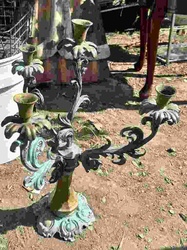
Japanese Imari-Style Porcelain Trinket Box

Antique & Vintage Decorative Arts

AI Estimated Value

·Not an official valuation·Verify before acting

$45.00 - $75.00

As of June 20, 2026

AI Item Analysis

·AI can make mistakes·Verify before acting
This is a small, rectangular porcelain trinket or lidded box featuring a classic Japanese Imari-style decorative palette. The piece is constructed with a fitted, slightly domed lid and a rectangular base. The aesthetic is characterized by a high-contrast color scheme dominated by iron-red, cobalt blue (appearing black in some areas due to heavy enameling), emerald green, and generous gold gilt highlights on a white porcelain ground. The lid's central motif depicts a traditional flower cart (hanaguruma) amid a garden with red peonies and stylized floral sprays. The sides of the lid are banded with alternating red and black cartouches containing gold scrollwork and floral medallions. The sides of the box continue the theme, featuring a long-tailed bird (likely a phoenix or Onagadori) perched among cherry blossoms and pine branches, alongside geometric diaper patterns in gold and red. The craftsmanship shows careful hand-painted details over glazed ceramic. While the specific maker’s mark is not visible, the style is characteristic of late 20th-century Japanese export porcelain (approx. 1970s-1990s). The condition appears good with minor gilding wear along the rim and edges, common with handling. There are no visible cracks or large chips in the image, though some light surface grime is present. The interior likely remains plain glazed white.
AI Appraisal Report

·AI can make mistakes·Verify before acting
I have examined the digital representation of this rectangular Imari-style porcelain trinket box. The piece exhibits the classic polychrome enameling and gilt highlights associated with the 'Arita' tradition, specifically featuring the 'Hanaguruma' (flower cart) and phoenix motifs. Based on the saturation of the iron-red pigment and the specific application of the gold scrollwork, I categorize this as a high-quality 20th-century Japanese export piece, likely dating from the 1970s or 1980s. The condition appears Very Good, with expected minor micro-abrasions to the gilding on the lid’s perimeter. The lack of visible crazing suggests a stable glaze and body. The current market for late 20th-century Imari-style export ware is saturated, as these pieces were mass-produced for the Western giftware market. While aesthetically pleasing and technically well-executed, this item lacks the 'spur marks' or the deeper, underglaze cobalt bleeding found in 18th or 19th-century 'Old Imari,' which limits its value to the decorative collector Tier rather than the fine art investment market. Final authentication is limited by the digital nature of this inspection. A physical examination is required to verify the presence of a maker's mark (such as 'Nippon' or a kiln stamp) on the underside, which could marginally adjust the value. In-person, I would also use a 10x jeweler's loupe to determine if the floral outlines are hand-painted or 'transfer-ware' with hand-painted infill, as pure hand-painting carries a premium. Provenance documentation regarding its original import or purchase would further solidify its age but is unlikely to significantly alter the price ceiling for this specific class of decorative art.

Get your items appraised

Instant estimates of your treasures with AI-powered appraisals

Browse More Appraisals