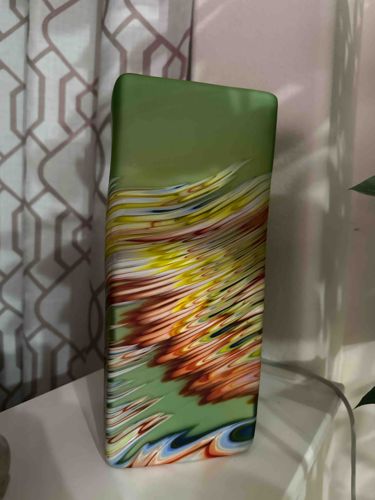
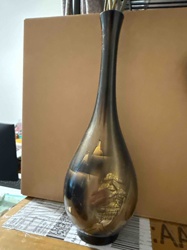
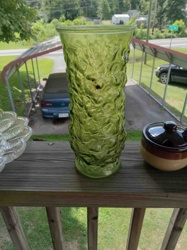
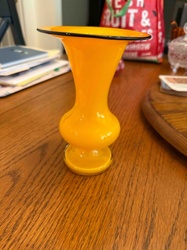
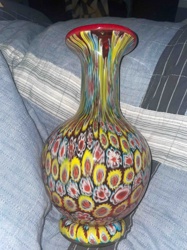
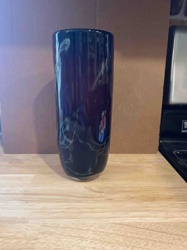
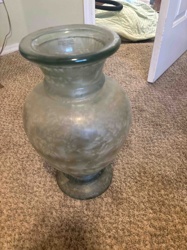
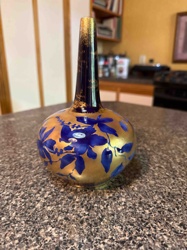
A vase with multi color and approximately 5 inches square and 12 inches tall
These notes were written by the person who submitted this item. Appraiser.AI has not verified them, and the AI's identification and estimate may rely on them.
AI Estimated Value
Not an official valuation
$150-250
AI estimate as of November 21, 2025 · verify with a professional before acting
AI-Generated · Verify before acting
Everything on this page is generated by AI for informational purposes only. AI can make mistakes — the AI may misidentify items or misattribute them (artist, maker, brand, designer, origin, era). This is not an official valuation and should not be used for insurance, sale, tax, estate, legal, or lending purposes — or any decision requiring a certified appraisal. It is not an authoritative claim about any person, brand, or rights holder — do not share or rely on it as a factual statement about a third party. Always consult qualified professionals before making financial decisions.
This analysis also relies on unverified notes provided by the user, which may be incomplete or inaccurate and could affect the result.
This item is a rectangular fused glass vase, approximately 5 inches square at its base and 12 inches tall, as indicated by the user. The primary color of the vase appears to be a muted olive green or khaki green, which forms the background for a vibrant, swirling pattern. The pattern, likely created through a fusing process where different colors of glass are melted together and manipulated, consists of thin, undulating lines in a variety of colors including yellow, orange, red, white, light blue, and darker blue. These lines are densely packed and flow dynamically, creating a sense of movement across the surface. The design covers a significant portion of the vase's visible sides, transitioning from the solid green at the top. The top edge of the vase has gently rounded corners, suggesting a softened, modern aesthetic rather than sharp, angular edges. The surface appears smooth and glossy, indicative of polished glass. There are no visible chips, cracks, or repairs, and the overall condition appears excellent. The craftsmanship suggests a contemporary production, possibly studio art glass from the late 20th or early 21st century, given its vibrant color palette and abstract design. The technique hints at possibly Murano-style glass or a similar fused/blown glass art form, expertly executed to achieve the intricate color transitions and fluid pattern. The absence of specific maker's marks is noted, as they are not discernible from the image.
AI Appraisal Report
I have thoroughly examined the provided image and details for this rectangular fused glass vase. Based on my visual assessment, the vase appears to be in excellent condition, showing no discernible chips, cracks, or repairs. The smooth, glossy surface and vibrant, intricate swirling pattern suggest high-quality craftsmanship, likely contemporary studio art glass from the late 20th or early 21st century. The technique, with its densely packed, undulating lines in multiple colors against a muted olive green background, is characteristic of fused glass artistry, reminiscent of Murano-style work or similar expressive glass forms.
The market for decorative art glass, particularly contemporary studio pieces, remains steady. Items that blend artistic design with functional form, such as this vase, attract collectors and interior designers. Comparable contemporary fused glass vases of similar size and complexity generally retail in the $150-$350 range, depending on the artist's reputation and specific stylistic attributes. While the swirling design is visually appealing and creates a sense of movement, without a signature or maker's mark, it is difficult to attribute it to a specific, highly collectible artist, which would significantly increase its value. The uniqueness of the pattern and overall aesthetic contribute positively to its demand.
My appraisal is limited by the fact that I have only examined images. Full authentication and a more precise valuation would require a physical inspection to verify the actual condition, confirm the construction method (e.g., thickness, weight, specific fused layers), and search for any hidden signatures or pontil marks. Provenance documentation, detailing the vase's history and origin, would also be crucial in establishing definitive authenticity and potential artist attribution.