AI Appraisal Estimate

AI-generated estimates · not official valuations

From the user

What was submitted

Photo and notes provided by the user — not generated by AI

Submitted item photo
Submitted photo · June 8, 2026

User's notes

No additional notes provided.

AI analysis below

AI appraisal

AI analysis & estimate

AI-Generated · Verify before acting

Everything below is generated by AI for informational purposes only. AI can make mistakes — the AI may misidentify items or misattribute them (artist, maker, brand, designer, origin, era). This is not an official valuation and should not be used for insurance, sale, tax, estate, legal, or lending purposes — or any decision requiring a certified appraisal. It is not an authoritative claim about any person, brand, or rights holder — do not share or rely on it as a factual statement about a third party. Always consult qualified professionals before making financial decisions.

Read the full disclaimer

AI Identification

·Not independently authenticated·Verify before acting

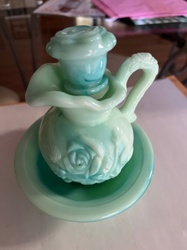
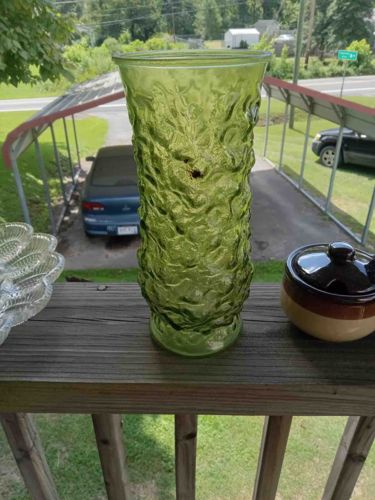
Green Textured Art Glass Vase

Decorative Glassware

AI Estimated Value

·Not an official valuation·Verify before acting

$40-70

As of June 8, 2026

AI Item Analysis

·AI can make mistakes·Verify before acting
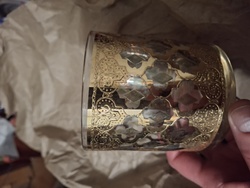
The item is a vintage-style green glass vase, likely manufactured in the mid to late 20th century, possibly from the 1960s or 1970s. It stands tall and cylindrical, flaring slightly towards the rim and tapering slightly towards the base. The primary physical characteristic is its textured surface, featuring an organic, 'bark-like' or 'geode' pattern of raised, irregular bumps and depressions that wrap around the entire body of the vase. The glass itself is a clear, vibrant olive or lime green, lending it a distinctive retro appearance. The rim appears to be smooth and unfinished, indicative of pressed glass manufacturing, though it could also be fire-polished. The base is thicker and circular, providing stability. There are no immediately visible chips, cracks, or significant damage, suggesting it is in good, used condition. The light plays off the textured surface creating varied shades of green and highlights. The overall craftsmanship appears to be of standard commercial quality for the period, characteristic of mass-produced decorative glassware. No discernible maker's marks, signatures, or stamps are visible in the provided image. Its unique texture makes it stand out from typical smooth glass vases.
AI Appraisal Report

·AI can make mistakes·Verify before acting
I have examined the image of this Green Textured Art Glass Vase. Visually, the vase appears to be in good, used condition with no apparent chips, cracks, or significant damage. Its textured 'bark-like' surface and vibrant olive-green color are consistent with decorative glassware produced in the mid to late 20th century, likely the 1960s or 1970s. The smooth rim suggests pressed glass manufacturing, common for mass-produced items of this era. Authenticity, in terms of its age and origin as a decorative piece from that period, seems plausible given its aesthetic and manufacturing characteristics. The market for vintage decorative glassware, particularly pieces with unique textures or colors, remains steady. This vase does not appear to be from a highly sought-after designer or studio, which would significantly increase its value. Its appeal lies primarily in its retro aesthetic and decorative functionality. Demand for such items is consistent among collectors of mid-century modern decor and those seeking unique accent pieces. Rarity is moderate; while many textured glass vases were produced, this specific 'bark' or 'geode' pattern in this particular green hue might be less common than plain designs. Factors impacting value include its good condition and distinctive texture. The lack of maker's marks, while typical for mass-produced items of the era, limits the potential for higher valuations associated with specific manufacturers. Without physical inspection, I cannot confirm the absence of subtle flaws, internal stresses, or manufacturing defects that might not be visible in an image. Full authentication, including confirmation of its precise origin or manufacturer, would require in-person examination for hidden marks, analysis of the glass composition, and comparative analysis with documented examples from known makers.

Get your items appraised

Instant estimates of your treasures with AI-powered appraisals

Browse More Appraisals