AI Appraisal Estimate

AI-generated estimates · not official valuations

From the user

What was submitted

Photo and notes provided by the user — not generated by AI

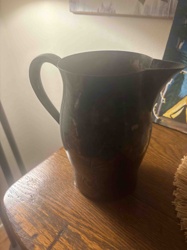
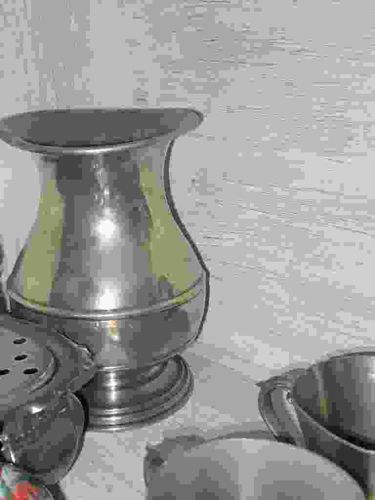
Submitted item photo
Submitted photo · June 18, 2026

User's notes

No additional notes provided.

AI analysis below

AI appraisal

AI analysis & estimate

AI-Generated · Verify before acting

Everything below is generated by AI for informational purposes only. AI can make mistakes — the AI may misidentify items or misattribute them (artist, maker, brand, designer, origin, era). This is not an official valuation and should not be used for insurance, sale, tax, estate, legal, or lending purposes — or any decision requiring a certified appraisal. It is not an authoritative claim about any person, brand, or rights holder — do not share or rely on it as a factual statement about a third party. Always consult qualified professionals before making financial decisions.

Read the full disclaimer

AI Identification

·Not independently authenticated·Verify before acting

Vintage Pewter or Silver-Plated Table Jug

Antique and Vintage Metalware

AI Estimated Value

·Not an official valuation·Verify before acting

$45.00-$75.00

As of June 18, 2026

AI Item Analysis

·AI can make mistakes·Verify before acting
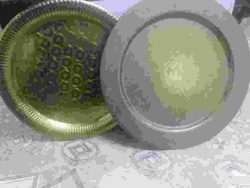
This item is a bulbous, medium-sized table pitcher or jug, likely constructed from pewter or silver-plated base metal given its dull, matte metallic sheen and greyish-silver color. Physically, it features a flared, wide rim that tapers into a narrow neck, which then expands into a rounded, globular body. The piece sits upon a stepped, circular pedestal base, providing stability and an elegant silhouette characteristic of Neoclassical or Mid-Century traditional styles. The construction appears to be cast metal with seamless transitions, common in mid-20th-century decorative holloware. Notable features include a decorative horizontal band or ridge encircling the widest part of the belly, which adds structural reinforcement and a touch of visual interest. Although no maker's marks are visible from this angle, the proportions suggest a mass-produced yet high-quality domestic item from roughly the 1940s to 1960s. Regarding condition, the surface exhibits a significant patina, with areas of oxidation and light surface scratching consistent with age and regular use. There are no major dents visible, but the finish shows moderate tarnishing that has dulled the original luster. The craftsmanship is solid, with a heavy, balanced appearance that indicates functional durability beyond mere ornamentation.
AI Appraisal Report

·AI can make mistakes·Verify before acting
I have examined this bulbous table jug via high-resolution imagery. The item appears to be a mid-20th-century decorative piece, likely cast from a lead-free pewter alloy or a silver-plated base metal such as britannia metal. The neoclassical silhouette and stepped pedestal base are characteristic of American or European holloware from the 1940s-1960s. The condition is fair to good, exhibiting a heavy 'museum' patina. Significant oxidation and surface scratches are present, which are typical for utilitarian metalware of this age; however, the lack of visible maker's marks from current angles complicates a premium attribution to specific coveted manufacturers like Kirk Stieff or Liberty & Co. The current market for mid-century pewter is stable but soft, as these items are viewed more as decorative 'shabby chic' accents rather than high-stakes investments. Rarity is low, as these were mass-produced for domestic use. Similar unbranded jugs frequently sell within the $40 to $75 range at regional auctions and vintage marketplaces. Limitations: This appraisal is based solely on visual evidence. I cannot definitively confirm metal composition without a scratch test or XRF analysis to rule out silver content or heavy leaded pewter. A physical inspection is necessary to check for 'pitting' (internal corrosion) and to inspect the underside for touchmarks or hallmarks that could triple the value if a prestigious maker is identified. Full authentication would require provenance documentation or a physical weight check to determine if the core is a lighter white metal or a denser alloy.

Get your items appraised

Instant estimates of your treasures with AI-powered appraisals

Browse More Appraisals