AI Appraisal Estimate

AI-generated estimates · not official valuations

From the user

What was submitted

Photo and notes provided by the user — not generated by AI

Submitted item photo
Submitted photo · June 3, 2026

User's notes

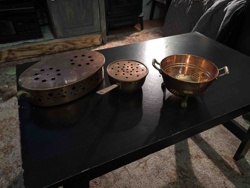
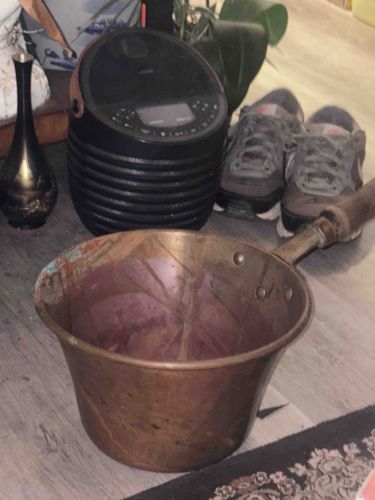
Copper pot approx 2qt, handle is wood

AI analysis below

AI appraisal

AI analysis & estimate

AI-Generated · Verify before acting

Everything below is generated by AI for informational purposes only. AI can make mistakes — the AI may misidentify items or misattribute them (artist, maker, brand, designer, origin, era). This is not an official valuation and should not be used for insurance, sale, tax, estate, legal, or lending purposes — or any decision requiring a certified appraisal. It is not an authoritative claim about any person, brand, or rights holder — do not share or rely on it as a factual statement about a third party. Always consult qualified professionals before making financial decisions.

Note

This analysis also relies on unverified notes provided by the user, which may be incomplete or inaccurate and could affect the result.

Read the full disclaimer

AI Identification

·Not independently authenticated·Verify before acting

Antique Copper Confiture Pot or Sugar Pan

Antique Kitchenware/Cookware

AI Estimated Value

·Not an official valuation·Verify before acting

$150-$250

As of June 3, 2026

AI Item Analysis

·AI can make mistakes·Verify before acting
This is an antique heavy-gauge copper pot, likely used as a jam or confiture pan, with an approximate 2-quart capacity. The vessel features a wide, flared rim and tapered sides characteristic of traditional European cookware. It is constructed from hammered copper, evidenced by the subtle texture on the surface. A defining feature is the iron ferrule attaching a turned wooden handle to the body via three robust, oversized copper rivets. These rivets are prominently visible on both the interior and exterior, indicating manual assembly. The wooden handle shows significant darkening from age and use, exhibiting a smooth patina and slight wear at the joint. The copper body displays a rich, darkened oxidation with some localized verdigris (green patina) near the rim, suggesting long-term exposure to moisture or acidic food. There are visible surface scratches and minor indentations throughout, consistent with its age, which likely dates back to the late 19th or early 20th century. The interior does not appear to have a tin lining, which is typical for pots used specifically for high-sugar preparations or decorative purposes. The craftsmanship suggests a utilitarian but durable kitchen piece intended for high heat and longevity.

AI Appraisal Report

·AI can make mistakes·Verify before acting
Based on my visual examination of this heavy-gauge copper confiture pan, I estimate its manufacture to be late 19th-century European, likely French. The manual construction is evident in the oversized, hand-peened copper rivets and the iron ferrule. The hammered texture and absence of a tin lining are consistent with traditional jam-making vessels, where unlined copper is preferred for its chemical reaction with sugar and fruit acids. The item shows significant age-related patina, minor oxidation, and verdigris, which collectors typically find desirable as it confirms a history of utility. The market for antique copper remain steady, particularly for heavy-gauge pieces with original hardware. Comparables of this size and condition generally sell in the $150 to $250 range at auction. While decorative, its value is limited by its smaller 2-quart capacity compared to larger, more grand professional pans. Additionally, the localized verdigris may require professional cleaning to prevent pitting. This appraisal is based on digital images and descriptions alone. A full authentication would require an in-person inspection to verify the metal's weight, the stability of the handle joint, and the existence of any maker's marks or stamps (such as 'Havard' or 'Villedieu') which could significantly increase the value. Testing the density of the copper and reviewing provenance documentation would further solidify its historical significance.

Get your items appraised

Instant estimates of your treasures with AI-powered appraisals

Browse More Appraisals