AI Appraisal Estimate

AI-generated estimates · not official valuations

From the user

What was submitted

Photo and notes provided by the user — not generated by AI

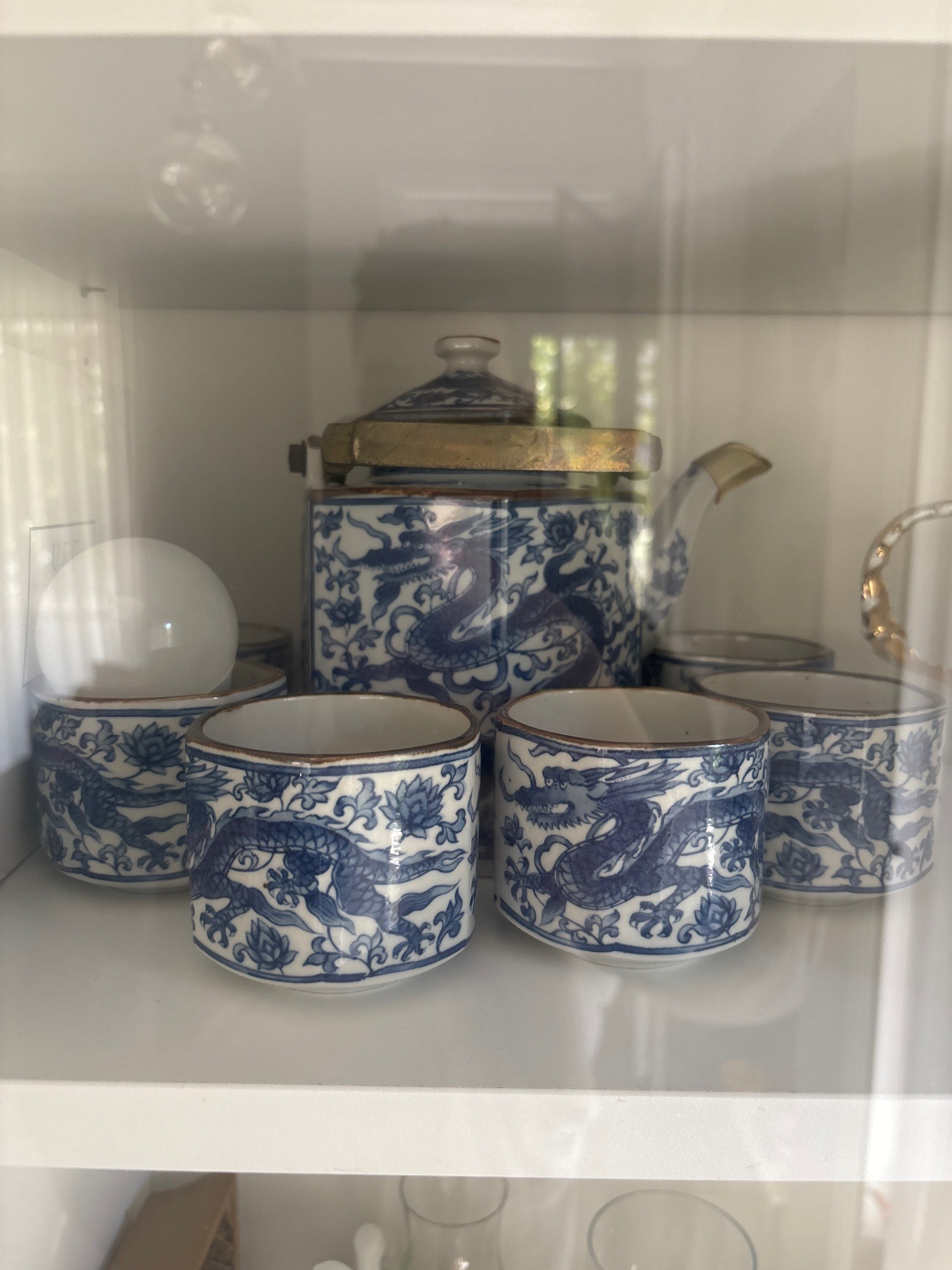
Submitted item photo
Submitted photo · June 17, 2026

User's notes

No additional notes provided.

AI analysis below

AI appraisal

AI analysis & estimate

AI-Generated · Verify before acting

Everything below is generated by AI for informational purposes only. AI can make mistakes — the AI may misidentify items or misattribute them (artist, maker, brand, designer, origin, era). This is not an official valuation and should not be used for insurance, sale, tax, estate, legal, or lending purposes — or any decision requiring a certified appraisal. It is not an authoritative claim about any person, brand, or rights holder — do not share or rely on it as a factual statement about a third party. Always consult qualified professionals before making financial decisions.

Read the full disclaimer

AI Identification

·Not independently authenticated·Verify before acting

Ceramic tea set in the style of Chinese blue and white porcelain

Ceramics and Porcelain

AI Estimated Value

·Not an official valuation·Verify before acting

$150 - $400

As of June 17, 2026

AI Item Analysis

·AI can make mistakes·Verify before acting
This ensemble appears to be a multi-piece tea set consisting of a central teapot and at least four handleless cups, all featuring a blue and white aesthetic consistent with traditional Chinese porcelain styles. The set is decorated with a detailed dragon and floral vine motif, executed in a cobalt blue color over a white ground. The dragon is depicted in a traditional imperial style with scales and claws, surrounded by stylized lotus or peony blossoms. The teapot features a metallic-colored handle—possibly brass or an alloy in a gold tone—and a matching metallic tip on the spout. The construction shows a cylindrical body for both the teapot and the cups, with rims that appear to have a brownish or gilded line. The glaze seems to have a smooth finish, though it is viewed through glass which may obscure fine details like crazing or specific maker's marks. No signatures or hallmarks are visible in the provided image; therefore, the attribution to a specific kiln, region, or manufacturing date is a hypothesis based on stylistic elements. The set shows a design that is consistent with mid-to-late 20th-century decorative export wares, though it mimics much older Ming or Qing dynasty aesthetics. Quality indicators include the relative uniformity of the pattern across different vessels, though a hands-on inspection would be required to determine if the designs are hand-painted or applied via transfer.
AI Appraisal Report

·AI can make mistakes·Verify before acting
I have examined the images of this multi-piece ceramic tea set, which features a cobalt blue dragon and floral motif in the style of traditional Chinese porcelain. The set consists of a teapot with metallic hardware and several cups. Based on what I can see, the design appears consistent with 20th-century decorative export wares. I cannot verify from a photo whether the patterns are hand-painted or applied via transfer, which significantly impacts value. The metallic accents and uniform glaze suggest a mid-to-late 20th-century production intended for the decorative market rather than an early Qing or Ming period piece. My valuation of $150 to $400 is based on the assumption that this is a well-made contemporary set in the traditional style. This value assumes the set is complete and free of major chips or cracks. The market for mid-range export porcelain remains steady for interior design purposes, though it does not reach the heights of early imperial wares. To confirm the origin and age, a physical inspection is essential to look for specific kiln marks, evaluate the weight of the clay body, and inspect the foot rims for wear patterns. Please note that if a physical examination or scientific testing were to identify this as a modern mass-produced reproduction or if it showcases significant wear hidden by the glass casing, the value would likely fall below $75. Conversely, if it bears a mark consistent with a recognized 19th-century workshop, the value could exceed the current estimate. A definitive assessment of its quality requires handling the pieces to feel the glaze texture and inspect the interior of the teapot for assembly marks or firing inclusions. This estimate is a working hypothesis based solely on visual elements visible in the provided image.

Get your items appraised

Instant estimates of your treasures with AI-powered appraisals

Browse More Appraisals