AI Appraisal Estimate

AI-generated estimates · not official valuations

From the user

What was submitted

Photo and notes provided by the user — not generated by AI

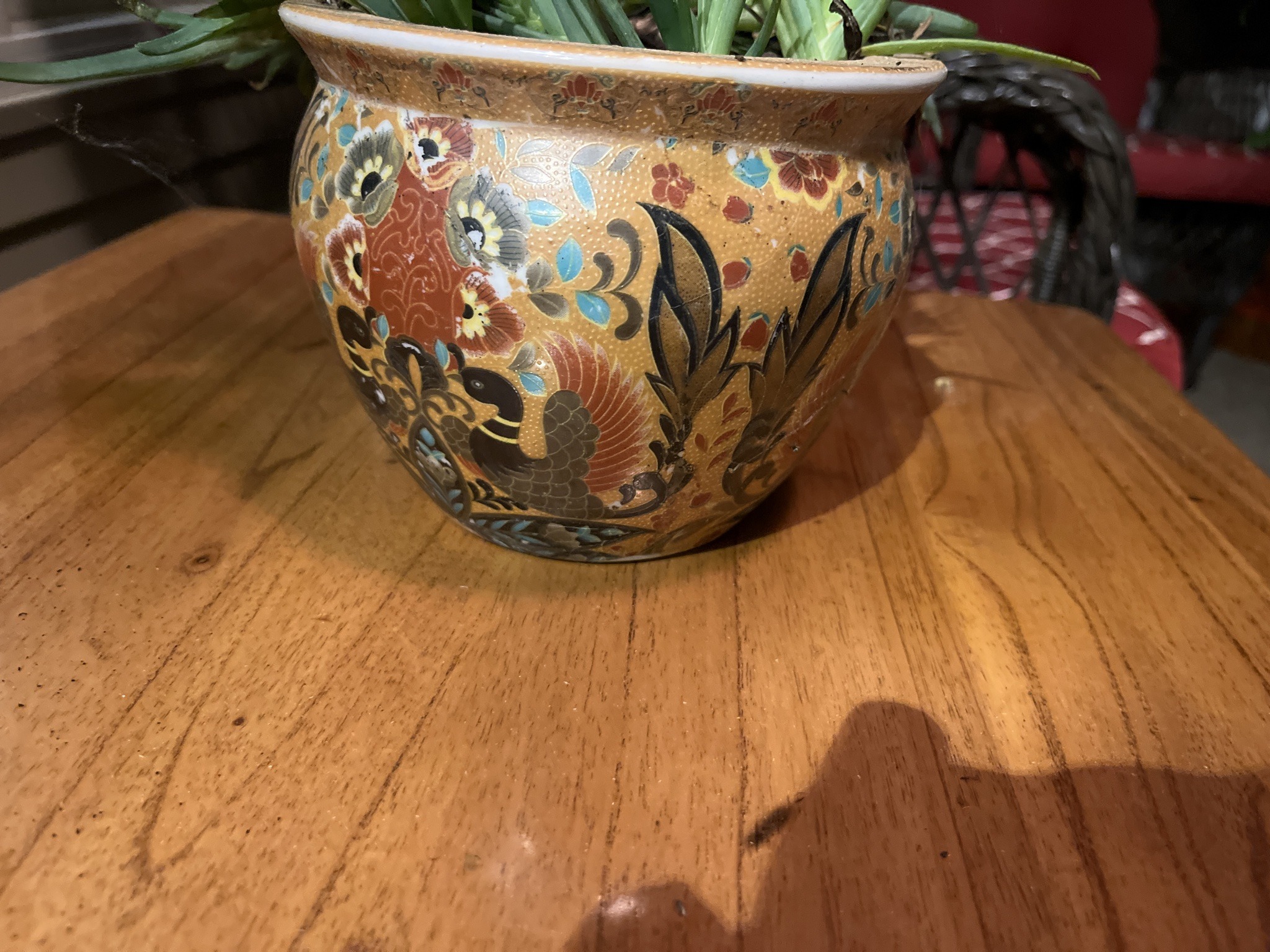
Submitted item photo
Submitted photo · July 3, 2026

User's notes

No additional notes provided.

AI analysis below

AI appraisal

AI analysis & estimate

AI-Generated · Verify before acting

Everything below is generated by AI for informational purposes only. AI can make mistakes — the AI may misidentify items or misattribute them (artist, maker, brand, designer, origin, era). This is not an official valuation and should not be used for insurance, sale, tax, estate, legal, or lending purposes — or any decision requiring a certified appraisal. It is not an authoritative claim about any person, brand, or rights holder — do not share or rely on it as a factual statement about a third party. Always consult qualified professionals before making financial decisions.

Read the full disclaimer

AI Identification

·Not independently authenticated·Verify before acting

Satsuma-style ceramic planter with avian motif

Ceramics and Porcelain

AI Estimated Value

·Not an official valuation·Verify before acting

$150 - $350

As of July 3, 2026

AI Item Analysis

·AI can make mistakes·Verify before acting
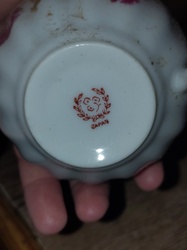
This ceramic vessel is a rounded, bulbous planter or cachepot featuring a polychrome decorative scheme that is stylistically consistent with Japanese Satsuma-ware or export porcelain from the late 19th to mid-20th century. The piece features a predominantly mustard-yellow or ocher ground heavily embellished with moriage (raised enamel) details, create a textured 'pebbled' or 'beaded' surface effect common in this style. The primary decorative panels depict stylized foliage and birds that appear consistent with traditional waterfowl or pheasants, rendered in shades of russet, dark brown, teal, and gold. A band of repeating floral lozenges encircles the everted rim. The interior is a plain glazed white, and the object is currently being utilized as a functional planter. Condition-wise, the glaze shows minor surface dirt and possible wear to the gilded accents along the rim, which is expected for use. No maker's mark is visible in the provided image, so a precise kiln or age cannot be established; however, the overall aesthetic is reminiscent of the Meiji or Taisho era styles intended for the Western market. Such items were widely produced for trade, and an in-person inspection of the base for a signature or stamp would be necessary to further qualify its origin.
AI Appraisal Report

·AI can make mistakes·Verify before acting
Based on the provided imagery, I have examined this ceramic vessel which displays characteristics consistent with the Satsuma style, likely intended for the export market during the late 19th to mid-20th century. The ocher ground and elaborate moriage application suggest a decorative intent typical of Meiji or Taisho era aesthetics. From what I can see, the polychrome application and avian motifs appear to be of fair to good quality; however, I cannot verify the specific kiln or exact age from a photograph alone. The absence of a visible maker's mark in the image means this must be treated as a hypothesis rather than a confirmed identification. This estimate is based on the assumption that the piece is a period export item in good condition. Should a physical inspection reveal a recognized signature, such as Hododa or Kinkozan, the value could increase toward the higher end of the range or beyond. Conversely, if an in-person examination identifies this as a modern 20th-century mass-produced reproduction or if significant damage is hidden by the soil, the value would likely fall below $75. The market for general Satsuma-style export ware is currently stable, though collectors prioritize pieces with fine gilding and identifiable marks. To provide a more precise valuation, an in-person inspection of the base for stamps, a check for professional repairs under UV light, and a review of any associated provenance would be required. The current use as a functional planter introduces risks of mineral staining and crazing, which typically detracts from the value compared to a purely decorative cabinet piece. Values for comparable Satsuma-style planters in the current secondary market typically fluctuate within this $150–$350 range depending on the intricacy of the enameling and regional demand.

Related Tags

Explore similar items and categories

Get your items appraised

Instant estimates of your treasures with AI-powered appraisals

Browse More Appraisals