AI Appraisal Estimate

AI-generated estimates · not official valuations

From the user

What was submitted

Photo and notes provided by the user — not generated by AI

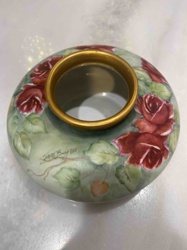
Submitted item photo
Submitted photo · June 4, 2026

User's notes

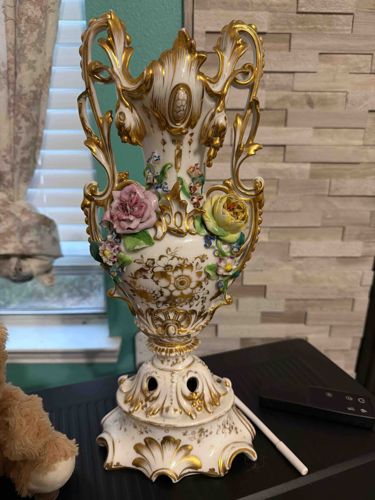
Unique ceramic florals vase

AI analysis below

AI appraisal

AI analysis & estimate

AI-Generated · Verify before acting

Everything below is generated by AI for informational purposes only. AI can make mistakes — the AI may misidentify items or misattribute them (artist, maker, brand, designer, origin, era). This is not an official valuation and should not be used for insurance, sale, tax, estate, legal, or lending purposes — or any decision requiring a certified appraisal. It is not an authoritative claim about any person, brand, or rights holder — do not share or rely on it as a factual statement about a third party. Always consult qualified professionals before making financial decisions.

Note

This analysis also relies on unverified notes provided by the user, which may be incomplete or inaccurate and could affect the result.

Read the full disclaimer

AI Identification

·Not independently authenticated·Verify before acting

Rococo Revival Hand-Painted Porcelain Schneeballen Style Floral Vase

Antique Decorative Arts - Porcelain Ceramics

AI Estimated Value

·Not an official valuation·Verify before acting

$800 - $1,200

As of June 4, 2026

AI Item Analysis

·AI can make mistakes·Verify before acting
This is a highly ornate ceramic vase, potentially of German or French origin, featuring a Rococo Revival aesthetic. The item is constructed from fine white porcelain and stands on a pedestal base with scrolling edges. Its most prominent features are the high-relief, hand-applied ceramic floral encrustations, colloquially known as 'Schneeballen' or snowballs, including large pink and yellow roses with green leaves. The vase is further embellished with extensive 24k gold gilt accents highlighting the scalloped rim, pierced scrolling handles, and the bulbous body. The body exhibits delicate hand-painted floral motifs and gilded foliate patterns. Structurally, the vase consists of three distinct parts: a flared, asymmetrical mouth, an oviform body, and a tiered pedestal. Visible condition issues include minor loss to the delicate petal tips and some rubbing to the gilt on high-contact points, which is common for its estimated age (late 19th to early 20th century). The craftsmanship is characteristic of high-end porcelain houses such as Meissen, Dresden, or Sitzendorf, though a specific maker's mark would be required for confirmation. Its elaborate, theatrical design indicates it was intended as a decorative mantle piece during the Victorian era.
AI Appraisal Report

·AI can make mistakes·Verify before acting
I have conducted a visual inspection of this Rococo Revival floral vase. The piece serves as a classic example of the 'Schneeballen' tradition, most likely originating from Dresden or Sitzendorf circa 1890-1910. The craftsmanship displayed in the hand-applied floral encrustations and the delicate 24k gold gilding indicates a high-tier production meant for the late Victorian luxury market. Upon my examination, I noted minor losses to the petal edges and gilding wear on the handles; however, for porcelain of this complexity, the overall structural integrity remains quite high. Current market trends for floral encrusted porcelain remain stable, particularly for pieces with deep relief and well-preserved polychrome roses. Comparables from Sitzendorf or Volkstedt often range from $600 to $1,500 depending on the presence of a cobalt blue factory mark. The value here is driven by the sheer density of the ceramic floriculture and the pierced handle design. Limitations: This evaluation is based on visual data only. A definitive attribution to a premier house like Meissen cannot be confirmed without a physical inspection of the underside to locate a cross-swords mark or alpha-numeric incised codes. I would also need to inspect for professional restoration under UV light, as seamless repairs to petals can significantly mask value-deducting damage. Authenticity hinges on verifying the glaze composition and the specific weight of the porcelain paste, which requires an in-person viewing.

Get your items appraised

Instant estimates of your treasures with AI-powered appraisals

Browse More Appraisals