AI Appraisal Estimate

AI-generated estimates · not official valuations

From the user

What was submitted

Photo and notes provided by the user — not generated by AI

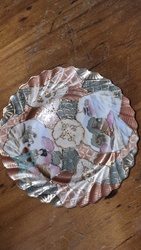
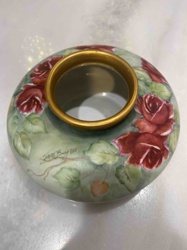
Submitted item photo
Submitted photo · May 27, 2026

User's notes

No additional notes provided.

AI analysis below

AI appraisal

AI analysis & estimate

AI-Generated · Verify before acting

Everything below is generated by AI for informational purposes only. AI can make mistakes — the AI may misidentify items or misattribute them (artist, maker, brand, designer, origin, era). This is not an official valuation and should not be used for insurance, sale, tax, estate, legal, or lending purposes — or any decision requiring a certified appraisal. It is not an authoritative claim about any person, brand, or rights holder — do not share or rely on it as a factual statement about a third party. Always consult qualified professionals before making financial decisions.

Read the full disclaimer

AI Identification

·Not independently authenticated·Verify before acting

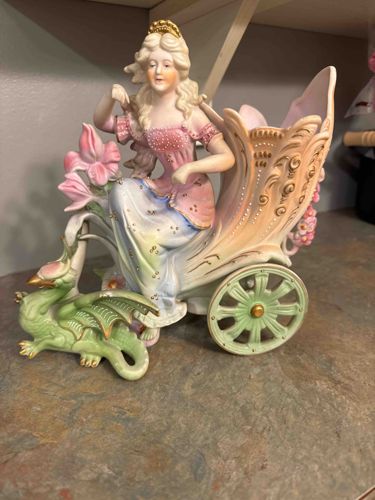
Victorian Era Heubach-style Bisque Porcelain Figural Chariot Vase

Antique Decorative Arts / Porcelain & Ceramics

AI Estimated Value

·Not an official valuation·Verify before acting

$450 - $650

As of May 27, 2026

AI Item Analysis

·AI can make mistakes·Verify before acting
This elaborate bisque porcelain figural group depicts a classic Victorian-era fantasy scene featuring a fair-haired woman in a shell-like chariot pulled or accompanied by a small green dragon. The piece is crafted from matte bisque porcelain, characterized by its soft, unglazed finish that allows for delicate pastel hand-painting. The palette consists of muted pinks, lavenders, and greens, accented by raised gold-beaded 'moriage' style dots and gilded highlights on the rims and the woman's crown. The chariot is designed with ornate scrolled edges and floral motifs, notably large pink lilies at the front. The woman's dress features intricate molding to simulate fabric texture, embellished with further gilded beadwork. The green dragon is rendered with scales and bat-like wings, providing a whimsical mythological touch. Based on the style and craftsmanship, this piece likely dates from the late 19th to early 20th century (circa 1890-1910), reflecting the Art Nouveau and Victorian sensibilities popular in German manufacture at the time, particularly from makers like Gebrüder Heubach. The condition appears fair to good for its age; while the colors remain vibrant, there is visible surface grime in the crevices, and light wear to the gilt edges is apparent. No major cracks are visible from this angle, though the delicate floral and structural protrusions are common areas for minor chips or professional repairs.
AI Appraisal Report

·AI can make mistakes·Verify before acting
I have completed a visual examination of this late-Victorian figural chariot vase, attributed to the Gebrüder Heubach style. The piece demonstrates the high-quality characteristic of German porcelain manufacture circa 1890-1910, specifically the matte-finish pastel bisque and hand-applied moriage beadwork popular during the Jugendstil transition. The molding of the shell-chariot and the whimsical dragon motif suggest a specialty decorative item rather than a mass-market production. My assessment shows the item to be in fair to good antique condition; the vibrancy of the pigments is well-preserved, though the presence of surface grime and typical gilding wear on the raised relief is noted. Market demand for ornate Victorian bisque remains stable among specialized porcelain collectors, though prices have softened from 1990s peaks. Comparables for large-scale Heubach figurals with dragon motifs typically realize mid-hundred dollar ranges at auction. Significant value factors include the intricate sculptural integrity of the dragon’s wings and the woman’s crown. Limitations: This appraisal is based solely on digital imagery. Definitive authentication requires physical inspection to verify the 'Sun-in-Circle' or impressed numbers mark on the underside. I cannot confirm the absence of professional restoration (common in fragile floral protrusions) without a UV light/blacklight test. Additionally, a physical examination would determine if any structural fissures are present beneath the surface grime. Provenance documentation or original cataloging would further solidify the attribution to the Lichte factory.

Get your items appraised

Instant estimates of your treasures with AI-powered appraisals

Browse More Appraisals