AI Appraisal Estimate

AI-generated estimates · not official valuations

From the user

What was submitted

Photo and notes provided by the user — not generated by AI

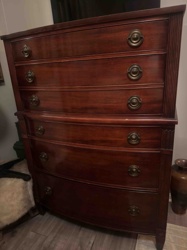
Submitted item photo
Submitted photo · May 27, 2026

User's notes

No additional notes provided.

AI analysis below

AI appraisal

AI analysis & estimate

AI-Generated · Verify before acting

Everything below is generated by AI for informational purposes only. AI can make mistakes — the AI may misidentify items or misattribute them (artist, maker, brand, designer, origin, era). This is not an official valuation and should not be used for insurance, sale, tax, estate, legal, or lending purposes — or any decision requiring a certified appraisal. It is not an authoritative claim about any person, brand, or rights holder — do not share or rely on it as a factual statement about a third party. Always consult qualified professionals before making financial decisions.

Read the full disclaimer

AI Identification

·Not independently authenticated·Verify before acting

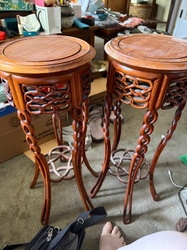
Mid-20th Century Colonial Revival Triple Dresser

Antique/Vintage Furniture

AI Estimated Value

·Not an official valuation·Verify before acting

$450 - $650

As of May 27, 2026

AI Item Analysis

·AI can make mistakes·Verify before acting
This is a substantial horizontal triple dresser, likely manufactured in the United States during the mid-to-late 20th century (circa 1960s-1970s), designed in the American Colonial Revival style. The piece is constructed primarily of maple or cherry wood with a warm honey-amber finish. It features a layout of twelve drawer fronts: eight smaller drawers at the top (arranged in two decorative blocks with center medallion accents) and four larger side-by-side drawers below. The case features a classic beveled top edge and a scalloped plinth base with bracket-style feet. The hardware consists of ornate antiqued brass-style batwing bails and escutcheons, which are characteristic of 18th-century reproductions. Notable physical features include the faux-paneling on the upper drawers and central decorative 'buttons' or medallions. Regarding condition, there is visible surface wear including minor scratches and scuffs on the top surface and drawer edges, indicative of regular household use. The finish shows some variation and light patina, but no major structural damage or missing hardware is immediately apparent. The craftsmanship reflects mass-production quality typical of mid-market American furniture companies such as Ethan Allen or Kling Colonial, characterized by solid wood frames and plywood or veneer panels.

AI Appraisal Report

·AI can make mistakes·Verify before acting
I have virtually examined this Colonial Revival triple dresser, a piece indicative of mid-20th-century American manufacturing. The construction, featuring solid maple or cherry components combined with secondary wood veneers, suggests a mid-market origin typical of the 1960s-1970s. The aesthetic—distinguished by ‘batwing’ brass-style hardware and tiered drawer configurations—remains a staple of traditional American décor, though it currently lacks the high demand seen in Mid-Century Modern or minimalist styles. Condition-wise, the dresser displays honest wear. Visible scuffing on the top surface and edges slightly detracts from the value, though the presence of all original hardware and lack of structural warping are positive indicators. In the current secondary market, similar pieces from manufacturers like Ethan Allen or Kling generally realize between $400 and $700 depending on regional demand for 'brown furniture.' The rarity is low, as these were mass-produced for the growing suburban middle class. Values are significantly impacted by the utility of the twelve-drawer configuration, which appeals to buyers seeking functional storage over investment-grade antiques. However, my assessment is limited by the digital nature of this inspection. A full authentication would require an in-person examination to verify joinery techniques (such as machine-cut dovetails), check for manufacturer stamps inside drawers or on the back panel, and determine the exact wood species. Genuine 18th-century originals would exhibit hand-planing marks and irregular joinery not present here. For insurance purposes, provenance documentation or a bill of sale from the original purchase would further solidify this valuation.

Get your items appraised

Instant estimates of your treasures with AI-powered appraisals

Browse More Appraisals