AI identification & appraisal estimate

Antique Cast Iron Cauldron Planter with Stand

This name is the AI's identification of the item — it may be incorrect.

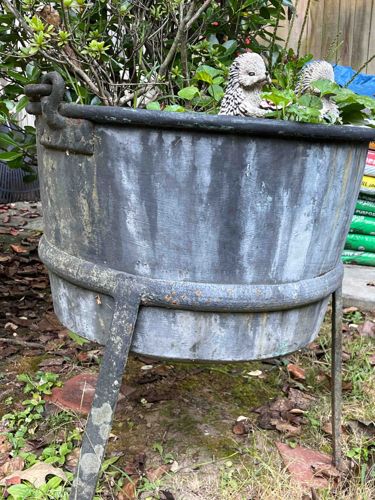
Submitted photo of Antique Cast Iron Cauldron Planter with Stand
Photo submitted by the user — not generated by AI

AI Estimated Value

Not an official valuation

$250-400

AI estimate as of September 13, 2025 · verify with a professional before acting

AI-Generated · Verify before acting

Everything on this page is generated by AI for informational purposes only. AI can make mistakes — the AI may misidentify items or misattribute them (artist, maker, brand, designer, origin, era). This is not an official valuation and should not be used for insurance, sale, tax, estate, legal, or lending purposes — or any decision requiring a certified appraisal. It is not an authoritative claim about any person, brand, or rights holder — do not share or rely on it as a factual statement about a third party. Always consult qualified professionals before making financial decisions.

Read the full disclaimer

AI Item Analysis

This item is an antique cast iron cauldron, currently repurposed as a planter, resting on a dedicated three-legged stand. The cauldron itself features a robust, rounded body with a slightly flared rim. It appears to be constructed from thick, heavy cast iron, evident from its solid appearance and the textured surface. The primary color is a dark, oxidized grey with significant areas of lighter, chalky grey-white patina, suggesting long-term outdoor exposure and a natural weathering process. Portions of the surface also show hints of rust-colored oxidation, particularly on the relief details of the stand and around the rim. A single, large, fixed loop handle is visible on one side of the cauldron, integrated seamlessly into the rim structure, indicating its original function might have involved suspension over a fire or portability. The stand is also made of cast iron, featuring three splayed legs that securely support the cauldron by means of a robust, circular band that cradles the cauldron's lower half. The legs are unadorned, simple in design, and show similar weathering and patina to the cauldron, including some lichen or moss growth near the base where they meet the ground. No discernible maker's marks or signatures are visible in the provided images. The overall design suggests a utilitarian origin, likely from the late 19th or early 20th century, before its current use as a decorative garden planter. The craftsmanship appears solid and durable, typical of early cast iron manufacturing. The condition is consistent with age and outdoor use, exhibiting a desirable antique patina rather than significant damage. The thick construction suggests high quality for its original purpose. The presence of two small hedgehog figurines and green foliage within the cauldron confirms its current decorative function.
AI Appraisal Report

Based on my visual examination of the Antique Cast Iron Cauldron Planter with Stand, I assess its condition as consistent with its age and prolonged outdoor exposure. The heavy cast iron construction, robust rounded body, and integrated loop handle suggest an authentic utilitarian piece likely from the late 19th or early 20th century. The dark, oxidized grey with areas of lighter patina and hints of rust-colored oxidation are desirable characteristics for antique cast iron, indicating natural weathering rather than neglect or significant damage. The three-legged stand, with its functional design and similar patina, appears to be original to or at least period-appropriate for the cauldron. While the overall aesthetic is appealing for garden decor, several factors impact its value. As a repurposed item, its original function as a cooking vessel or rendering pot is less relevant to its current market as a planter. Comparables for antique cast iron planters and cauldrons of this size and condition typically range from $200-$500. Demand for such pieces is steady among garden enthusiasts and collectors of architectural salvage or industrial antiques. The lack of discernible maker's marks, while common for utilitarian items of this period, prevents attribution to a specific foundry, which could otherwise increase value. Limitations in authenticity verification from images alone are significant. I cannot physically assess the weight, feel the texture, or check for repairs that might be cleverly disguised. An in-person examination would allow me to determine if there are any hairline cracks, welds, or structural weaknesses not visible in photographs. Furthermore, proper provenance documentation detailing its history of ownership would solidify its authenticity. Scientific testing, such as metallurgy analysis, could verify the age and composition of the iron, though this is usually reserved for higher-value pieces. The current decorative use with figurines and foliage is charming but does not affect the intrinsic value of the antique item itself.

Keep exploring

More garden decor and antiques appraisals

Get your items appraised

Instant AI-powered appraisal estimates from a photo

Browse More Appraisals